
Unlocking the Secrets of Ernestia confertiflora Propagation: A Guide to Growing This Brazilian Beauty
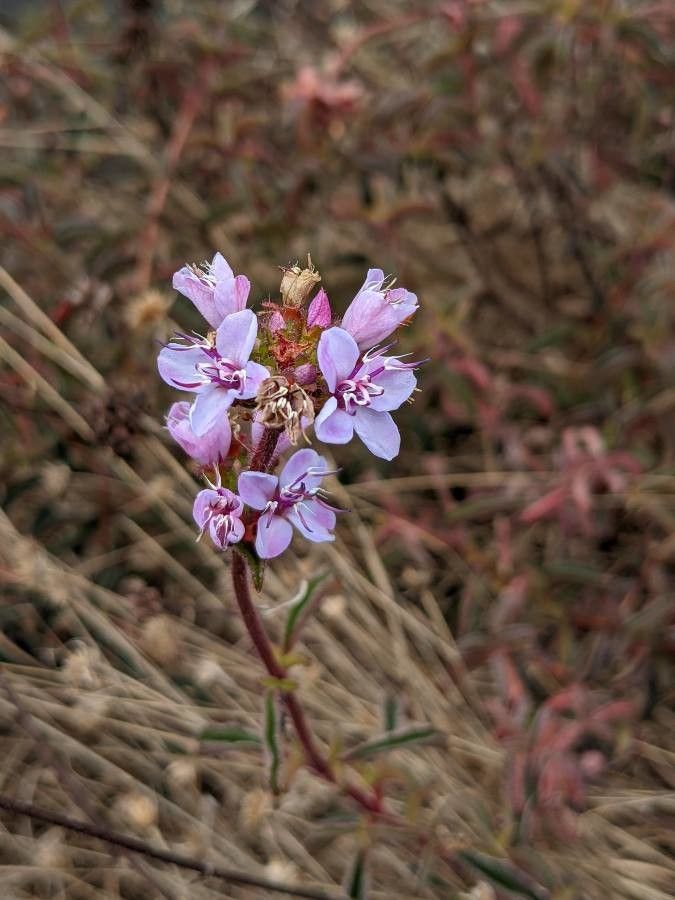
Ernestia confertiflora, with its clusters of delicate pink blossoms and lush foliage, brings an irresistible touch of the Brazilian tropics to any plant lover’s collection. But successfully nurturing new life from this enchanting species requires understanding its unique propagation needs. Don’t let the exotic name intimidate you! This guide will equip you with the knowledge and confidence to propagate Ernestia confertiflora and expand its captivating presence in your home.
Two Paths to Propagation: Unveiling the Possibilities
Ernestia confertiflora offers two main paths to propagation:
-
Seed Propagation: The journey from seed to flowering plant offers a rewarding experience for patient gardeners. While slightly less predictable than cuttings, seed propagation holds the potential for larger quantities and unique variations in offspring.
- Stem Cuttings: This method, favored for its reliability and speed, uses portions of healthy stems to generate new plants that are genetically identical to the parent.
Sowing the Seeds of Success: A Step-by-Step Guide
For those captivated by the magic of witnessing a seed sprout into a thriving plant, follow these steps:
- Source Fresh Seeds: Reputable online stores specializing in rare plants are your best bet for obtaining Ernestia confertiflora seeds.
- Prepare a Welcoming Medium: Opt for a well-draining seed starting mix and moisten it evenly.
- Sow with Care: Gently press the seeds onto the surface of the mix, ensuring they are evenly spaced.
- Provide Warmth and Light: Cover the container with a clear lid or plastic wrap to create a humid environment and place it in a warm location with bright, indirect light.
- Patience is Key: Germination can take several weeks or even months. Maintain consistent moisture and warmth during this period.
Mastering the Art of Stem Cuttings:
If you prefer a quicker and more predictable route, stem cuttings are the way to go:
- Timing is Everything: The optimal time for taking cuttings is during the plant’s active growing season, typically spring or early summer.
- Choose Wisely: Select healthy, non-flowering stems that are approximately 4-6 inches long.
- Make a Clean Cut: Using a sharp, sterilized knife or pruning shears, make a diagonal cut just below a leaf node.
- Prepare the Cutting: Remove the lower leaves from the cutting, leaving 2-3 leaves on top.
- Encourage Root Development: Dip the cut end in rooting hormone (optional but recommended). Gently insert the cutting into a moist, well-draining rooting mix.
- Create a Humid Environment: Cover the pot with a clear plastic bag or use a propagation dome to maintain humidity.
- Be Patient and Observant: Roots should develop within a few weeks. Once you notice new growth, you can gradually acclimate the cutting to normal humidity levels.
Nurturing Your New Ernestia Confertiflora:
Regardless of the propagation method you choose, caring for your new plants remains crucial:
- Light: Ernestia confertiflora thrives in bright, indirect light. Avoid direct sunlight as it can scorch the leaves.
- Water: Water thoroughly when the top inch of soil feels dry, allowing excess water to drain. Avoid overwatering, which can lead to root rot.
- Humidity: As a tropical plant, Ernestia confertiflora appreciates higher humidity levels. Consider using a humidifier or placing the pot on a pebble tray filled with water.
- Fertilizer: Feed your plant with a balanced liquid fertilizer diluted to half strength every 4-6 weeks during the growing season.
Propagating Ernestia confertiflora may seem daunting at first, but with patience and care, you can successfully multiply these captivating beauties and share their allure with fellow plant enthusiasts. The reward of witnessing new life unfold from a tiny seed or a simple cutting makes the journey worthwhile. So, grab your gardening gloves and embark on this fulfilling adventure!