
Propagating Erodium corsicum: A Gardener’s Challenge and Reward
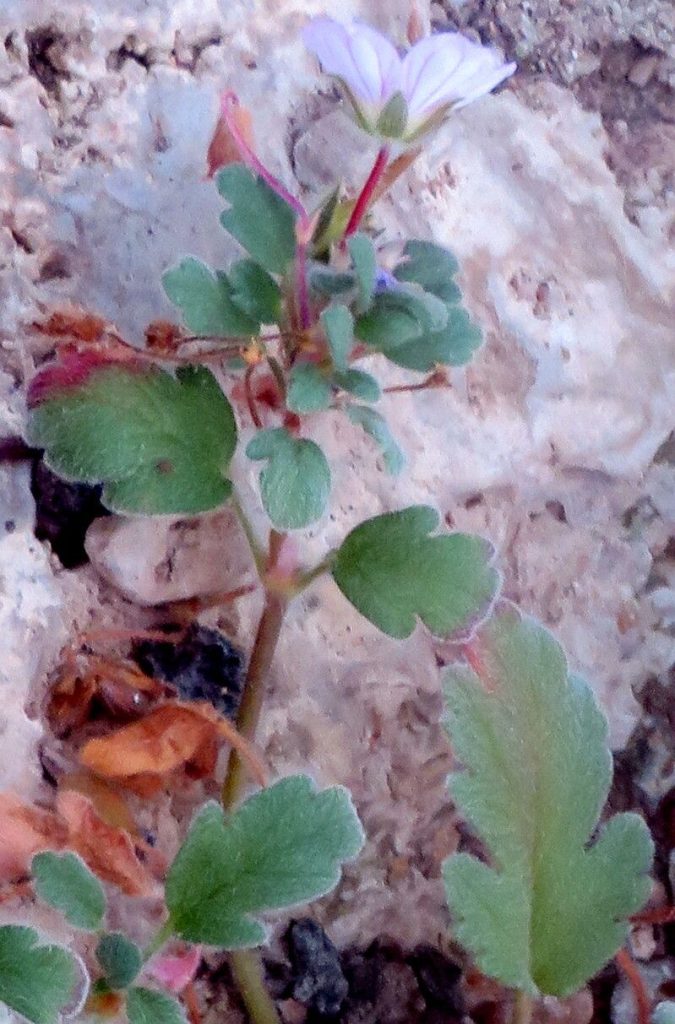
Erodium corsicum, commonly known as Corsican Stork’s-bill, is a captivating Mediterranean native prized for its delicate, deeply lobed, silvery-grey foliage and charming, pinkish-purple flowers. Its compact, mounding habit makes it an ideal choice for rock gardens, borders, or containers, contributing a touch of refined elegance to any landscape. Its popularity among gardeners, however, is often tempered by the challenges associated with its propagation. While not impossible, successfully increasing your stock of this alluring plant requires patience, attention to detail, and a willingness to experiment.
Seed Germination:
Currently, there are no known reliable methods for seed germination propagation of Erodium corsicum. While seeds may be produced, their germination rate is notoriously low, and successful germination is rarely reported in horticultural settings. The reasons for this are likely multifaceted, potentially involving hard seed coats, specific dormancy requirements yet to be fully understood, and possibly the need for very precise environmental conditions.
Cuttings:
Propagating Erodium corsicum from cuttings offers a more reliable approach than seed germination. However, it still presents some challenges.
Challenges: The success rate can be variable, dependent on factors such as the age and health of the parent plant, the timing of the cuttings, and the environmental conditions provided. Rooting can be slow.
Tips: Take semi-hardwood cuttings in late spring or early summer from non-flowering stems. Remove lower leaves to prevent rotting. Use a well-draining propagation mix and a rooting hormone to increase success rates. Maintain high humidity and warmth, ideally using a propagator with bottom heat.
Rewards: Cuttings offer a faster way to increase numbers of a desirable plant compared to seed, maintaining the exact genetic characteristics of the mother plant.
Division:
Division is another viable, though limited, method for propagating Erodium corsicum.
Challenges: Erodium corsicum doesn’t readily form large clumps, limiting the number of divisions possible from a single plant. Care must be taken not to damage the roots during the division process.
Tips: The best time to divide is in spring or autumn when the plant is actively growing or becoming dormant. Carefully lift the entire plant, gently tease apart the root system, and replant the divisions in well-draining soil.
Rewards: Division allows for relatively quick multiplication of genetically identical plants, useful for maintaining specific characteristics in established plants without starting again from seed or cuttings.
Tissue Culture:
Tissue culture offers the potential for large-scale propagation of Erodium corsicum, bypassing the challenges associated with seed germination and cuttings.
Challenges: This method requires specialized equipment, aseptic techniques, and expertise in plant tissue culture. It is generally not feasible for home gardeners.
Tips: This method is best left to professional nurseries or research institutions, where they have the necessary resources and expertise.
Rewards: Tissue culture allows for rapid and mass production of genetically uniform plants, particularly useful for commercial propagation or conservation efforts.
Conclusion:
Propagating Erodium corsicum presents a unique set of challenges, with seed germination proving particularly unreliable. Cuttings and division offer more realistic options for the keen gardener, though both require patience and attention to detail. Tissue culture would be efficient and largely negate drawbacks of other approaches, but is beyond the scope of most gardeners. The rewards, however, are significant. The satisfaction of cultivating this beautiful plant, especially after overcoming the propagation hurdle, is immense. The elegant foliage and delicate flowers reward diligent effort. Don’t be discouraged by potential setbacks; experiment with different techniques and conditions, and the persistence will ultimately lead to a thriving patch of Corsican Stork’s-bill, a testament to your horticultural skill.