
Taming the Stork’s Bill: A Guide to Propagating Erodium malacoides
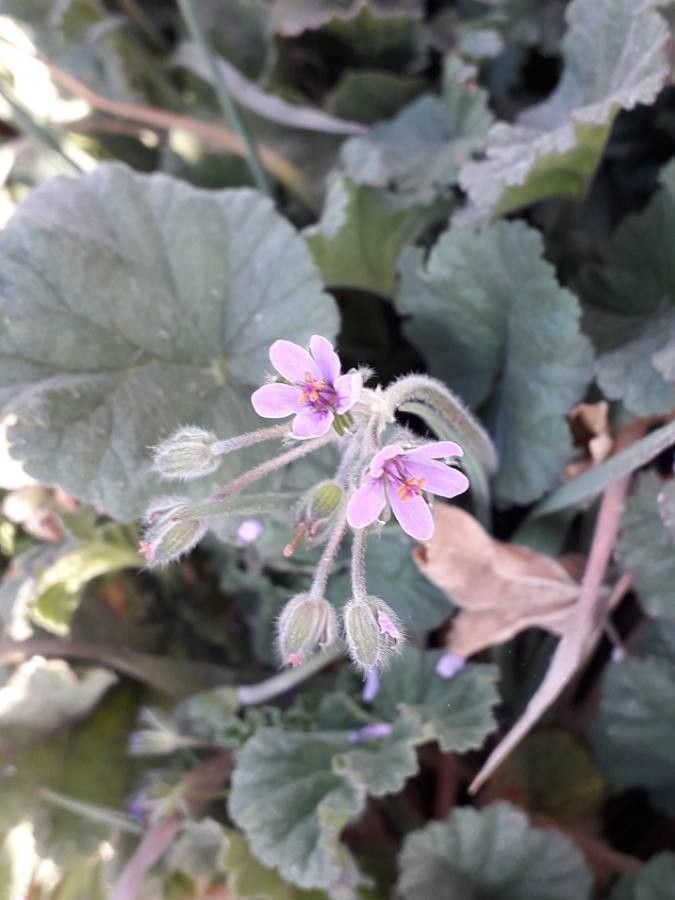
The Erodium malacoides, more commonly known as the Soft Stork’s Bill or White Stork’s Bill, is an understated beauty. Its delicate pink or white flowers and uniquely shaped seed pods add a touch of whimsical charm to any garden. But did you know that this seemingly delicate plant is surprisingly easy to propagate?
Whether you’re a seasoned gardener or just starting out, this guide will equip you with the knowledge to successfully propagate Erodium malacoides and enjoy its charm for years to come.
Two Paths to Propagation: Seeds vs. Cuttings
You have two primary options for propagating Erodium malacoides:
1. Seed Propagation: Embracing the Element of Surprise
Erodium malacoides is known for its prolific self-seeding nature. If you already have a plant, you might find numerous seedlings popping up around its base. You can carefully dig these up and transplant them to desired locations.
Alternatively, you can collect seeds from the distinctive “stork’s bill” seed pods. Allow the pods to dry completely on the plant before collecting. Sow the seeds directly in the garden or in seed trays filled with well-draining potting mix.
Pros:
- Cost-effective: Seeds are generally inexpensive or even free if you collect them yourself.
- Genetic Diversity: Seed propagation introduces variations, potentially leading to unique characteristics in the offspring.
Cons:
- Time: Seedlings take longer to mature and flower compared to plants started from cuttings.
- Unpredictability: You may not get exact replicas of the parent plant due to genetic variations.
2. Propagation from Cuttings: Cloning Your Favorite Storks’ Bills
If you want to guarantee plants identical to the parent, propagation through cuttings is the way to go. This method involves taking a cutting from a healthy stem and encouraging it to develop roots.
Here’s a step-by-step guide:
- Timing is Key: The best time for taking cuttings is during the cooler months, preferably in spring or early fall.
- Take the Cut: Using sterilized shears, cut a 3-4 inch piece of stem from a healthy branch. Make the cut just below a leaf node (the point where a leaf emerges).
- Prepare the Cutting: Remove the lower leaves from the cutting, leaving only 2-3 leaves at the top.
- Rooting Hormone (Optional): Dipping the cut end in a rooting hormone can encourage faster root development, but it is not essential.
- Potting Mix: Plant the cutting in a well-draining potting mix.
- Create a Humid Environment: Cover the pot with a plastic bag or use a propagator to maintain humidity.
- Light and Water: Place the cutting in a bright location but out of direct sunlight. Keep the soil moist but not waterlogged.
Pros:
- Faster Results: Cuttings tend to root quickly and mature faster than seedlings.
- Clones: You’re guaranteed to get plants identical to the parent plant.
Cons:
- Limited Genetic Diversity: All plants propagated from cuttings will be genetically identical, potentially making them susceptible to the same diseases or pests.
Caring for Your New Stork’s Bills
Erodium malacoides are relatively low-maintenance plants. They thrive in well-draining soil and prefer a sunny to partially shaded location. Water them regularly, especially during dry periods, but avoid overwatering.
Propagation made easy
Propagating Erodium malacoides is a rewarding experience. Whether you choose to start from seeds or cuttings, you’ll be rewarded with more of these charming plants to adorn your garden. So why not roll up your sleeves and give it a go? You’ll be surprised by how easy and gratifying it is to tame the Stork’s Bill!