
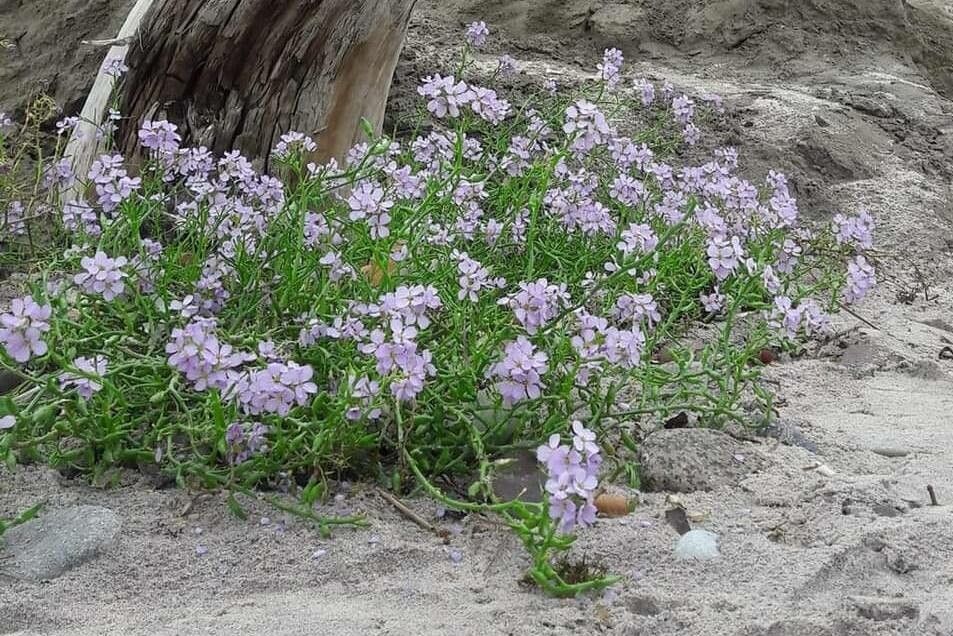
Taming the Wild: A Guide to Propagating the Striking Erucaria hispanica
The world of gardening is bursting with familiar faces – petunias, roses, and sunflowers grace many a yard. But for those seeking something truly unique, a touch of wild beauty, look no further than Erucaria hispanica. This Mediterranean native, with its vibrant purple blooms and fascinating seed pods, is sure to be a conversation starter in any garden.
While lesser-known, Erucaria hispanica – sometimes referred to as the Spanish Rocket – is surprisingly easy to propagate, even for beginner gardeners. Let’s dive into the two main methods:
1. Seed Propagation: A Dance with Patience
Propagating Erucaria hispanica from seed is a rewarding process that connects you directly with the plant’s life cycle. Here’s how:
- Timing is Key: Sow seeds in early spring or autumn. These periods offer the cool, moist conditions that the seeds adore.
- Prepare Your Canvas: Use a well-draining seed starting mix or a mix of peat moss and perlite. Sow the seeds on the surface and lightly press them in, ensuring they receive light for optimal germination.
- Embrace the Chill: Erucaria hispanica seeds prefer a period of cold stratification to break their dormancy. You can achieve this by placing the seed tray in the refrigerator for 2-4 weeks before moving it to a warm, sunny location for germination.
- Patience is a Virtue: Germination can take anywhere from 2-4 weeks. Maintain consistent moisture in the soil, never letting it dry out completely.
- Transplant Time: Once the seedlings have developed a few sets of true leaves, they are ready to be transplanted into individual pots or directly into your garden. Choose a sunny spot with well-drained soil.
2. Cutting to the Chase: Propagation from Cuttings
If you’re looking for a quicker method, propagating Erucaria hispanica from cuttings is a viable option:
- Time it Right: Take cuttings in late spring or early summer from healthy, non-flowering stems.
- The Perfect Snip: Use a sharp, sterile knife or pruning shears to take 4-6 inch cuttings just below a node (the point where a leaf attaches to the stem).
- Prepare the Cuttings: Remove the lower leaves, leaving only a few at the top. Dip the cut end in rooting hormone powder to encourage root development.
- Plant and Protect: Insert the cuttings into a pot filled with a well-draining potting mix. Keep the environment humid by covering the pot with a plastic bag or using a propagator.
- Root Development: Within a few weeks, the cuttings should develop roots. Gently tug on the cutting – if you feel resistance, roots are forming.
- Hardening Off: Once rooted, gradually acclimate the new plants to outdoor conditions by exposing them to increasing amounts of sunlight and fresh air over a week or two. Finally, plant them in their permanent location.
Caring for Your Erucaria Hispanica:
This resilient plant thrives in full sun and well-drained soil. It’s fairly drought-tolerant once established, but regular watering will encourage more blooms. Deadhead spent flowers to prolong the blooming period and prevent unwanted self-seeding, as Erucaria hispanica can become invasive in some areas.
With its captivating beauty and ease of propagation, Erucaria hispanica is a rewarding plant for gardeners of all levels. Embrace the adventure, experiment with these propagation methods, and enjoy the unique charm this wildflower brings to your garden.