
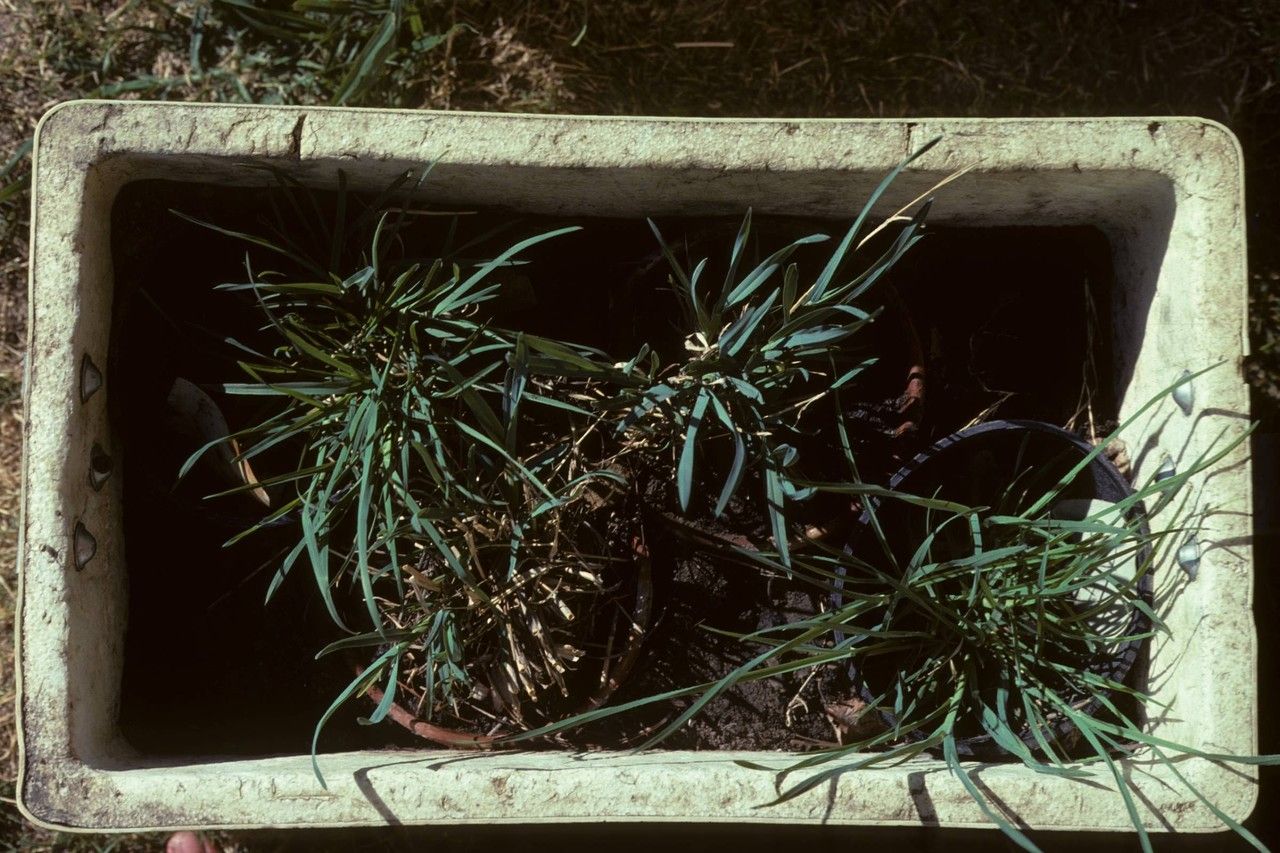
Taming the Western Bluegrass: A Guide to Propagating Poa occidentalis
Western bluegrass (Poa occidentalis) might not roll off the tongue like roses or tulips, but this North American native grass deserves a place in any gardener’s heart. Known for its resilience in dry climates and attractive blue-green hues, Western bluegrass adds texture and subtle beauty to landscapes. But how do you go about adding this unique species to your garden? Let’s explore the world of Poa occidentalis propagation.
Two Paths to Bluegrass Glory: Seeds vs. Divisions
While some plants readily sprout from cuttings, Western Bluegrass propagation primarily relies on two methods:
1. Starting from Seed: A Test of Patience
If you’re starting with seeds, patience is your best tool. Here’s a breakdown of the process:
- Sourcing Seeds: You can collect seeds from existing plants in the wild (with proper permissions) or purchase them from reputable online retailers specializing in native plants.
- Timing is Key: Fall sowing is ideal. Sow seeds directly into prepared soil after the last frost, or start them indoors 6-8 weeks before the anticipated last frost date.
- Sowing Depth: Gently press seeds into the soil surface, ensuring they’re barely covered.
- Moisture Matters: Consistent moisture is crucial for germination. Use a gentle spray to avoid dislodging the seeds.
- Germination Duration: Be prepared to wait. Germination can take anywhere from a few weeks to a couple of months.
2. Division: A Quicker Route to Establishment
For a faster method, division is the way to go:
- Timing: Spring or early fall, when the soil is moist, is the optimal time.
- Dividing the Clumps: Carefully dig up a mature Western bluegrass plant. Using a sharp, clean knife or garden spade, divide the plant into smaller clumps, ensuring each segment has a good root system.
- Transplanting: Replant the divisions in their desired locations, making sure the crown of the plant (where the roots meet the stems) is level with the soil surface.
- Watering: Water thoroughly to encourage the roots to establish themselves in their new home.
Tips for Success:
- Well-Drained Soil is a Must: Western bluegrass thrives in well-drained soil. Amend heavy clay soils with compost or sand to improve drainage.
- Sun or Shade?: While this species prefers full sun, it can tolerate partial shade, making it a versatile choice for various garden settings.
- Water Wisely: Once established, Western bluegrass is relatively drought-tolerant. However, regular watering during the first year will help ensure successful establishment.
Propagating Western bluegrass might require a bit of effort, but the rewards are well worth it. This hardy grass, with its elegant appearance and low-maintenance nature, can be a stunning addition to your garden. So why wait? Embark on your propagation journey today and experience the beauty of Poa occidentalis!