
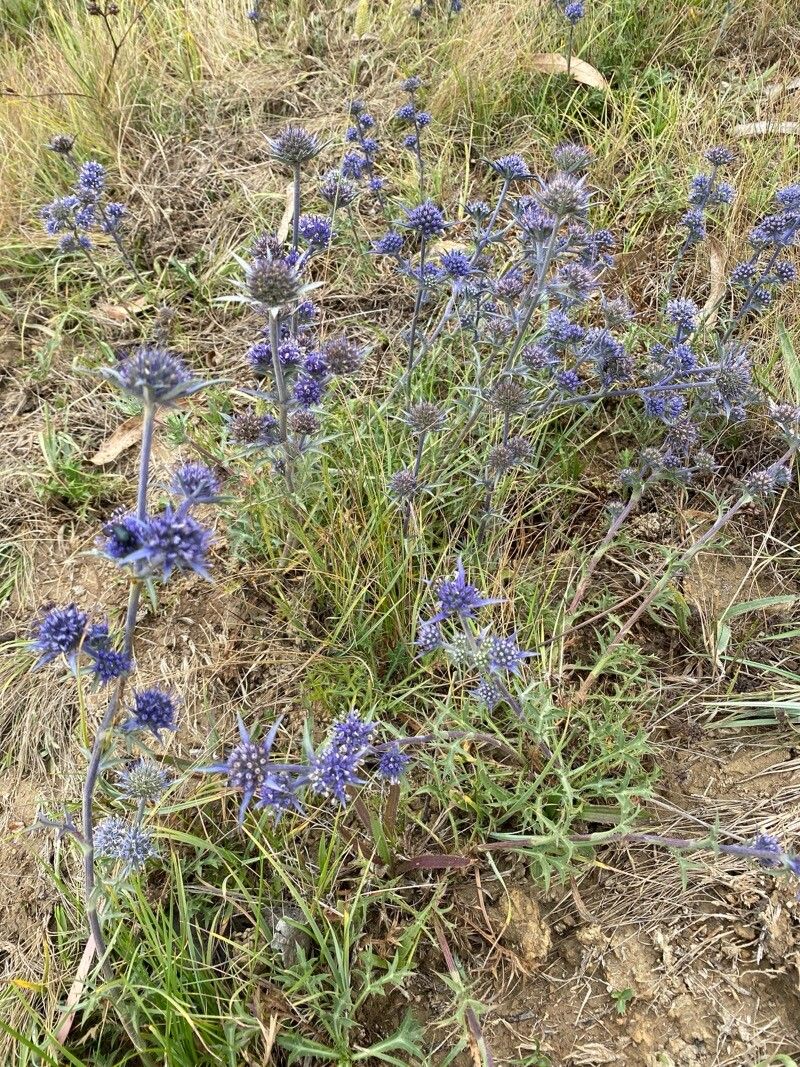
Propagating Eryngium dilatatum: Taming the Sea Holly
Eryngium dilatatum, commonly known as coastal sea holly or broadleaf eryngo, is a striking perennial prized for its architectural foliage and dramatic, thistle-like blue-grey flower heads. Its unique form makes it a highly desirable addition to any garden, particularly in coastal or xeric landscapes. Its popularity among gardeners, however, is often tempered by the challenges associated with its propagation. This article explores the various methods of propagating this captivating plant, highlighting both their advantages and limitations.
Seed Germination:
Currently, there are no known reliable methods for seed germination propagation of Eryngium dilatatum. While seeds may be produced, their germination rate is exceptionally low, and even under optimal conditions, success is rarely achieved. The hard seed coat and potential dormancy requirements present significant hurdles that have not yet been consistently overcome by horticulturalists.
Cuttings:
Propagating Eryngium dilatatum from cuttings shows slightly more promise than seed germination, but still presents challenges.
Challenges: Rooting success is inconsistent and relatively low. The woody nature of the stems makes them difficult to root easily.
Tips: The best time for taking cuttings is in spring or early summer, using semi-hardwood cuttings from the current season’s growth. Removing lower leaves to prevent rotting, treating the cut ends with rooting hormone, and utilizing a propagation mix that is well-draining and slightly moist are crucial. High humidity significantly increases the chance of success. Consider the use of a humidity dome or propagator.
Rewards: Successful rooting from cuttings allows for the preservation of desirable traits from a specific mother plant, ensuring the offspring are genetically identical. Although time-consuming, it can be a reliable method for producing a limited number of plants.
Division:
Division offers the most reliable method for propagating Eryngium dilatatum.
Challenges: Established plants must be relatively large to enable successful division. Plants may be reluctant to thrive after division, requiring careful handling and suitable planting conditions. Damage to roots during the division process can also negatively impact plant health.
Tips: The best time to divide Eryngium dilatatum is in spring or autumn. Carefully dig up the mature plant, ensuring that you separate sections containing sufficient roots and viable growing shoots. Plant the divisions promptly in well-drained soil, avoiding overly rich conditions. Water moderately after planting.
Rewards: Division is a relatively quick method of increasing your stock of Eryngium dilatatum, and the survivability rate is far higher compared to cuttings or seeds. It avoids the lengthy process of rooting cuttings.
Tissue Culture:
Tissue culture propagation for Eryngium dilatatum is less commonly practiced by home gardeners due to the specialized equipment and expertise required.
Challenges: Establishing a sterile environment and mastering the intricate techniques of tissue culture is complex and requires specialized laboratory conditions and knowledge. The development of optimal growth media and protocols for Eryngium dilatatum may require significant experimentation.
Tips: Professional laboratory settings are generally required for tissue culture propagation.
Rewards: Tissue culture offers the potential for rapid and large-scale propagation, enabling the production of a large number of genetically uniform plants. This method is particularly valuable for the conservation and propagation of rare or endangered varieties.
Conclusion:
Propagating Eryngium dilatatum presents various challenges, demanding patience and careful attention to detail irrespective of the chosen method. While seed germination remains unreliable, division offers the most consistent success rate for the average gardener. Cuttings are possible but require more skill and patience, while tissue culture is best left to specialist nurseries. However, the unparalleled beauty and resilience of the coastal sea holly make the effort well worthwhile. The satisfaction derived from successfully cultivating this stunning plant, overcoming the hurdles involved, adds a significant layer of accomplishment to the gardening experience. For aspiring propagators, don’t be discouraged by initial setbacks; experiment, learn from your mistakes, and savor the triumph of witnessing these architectural marvels thriving in your own garden.