
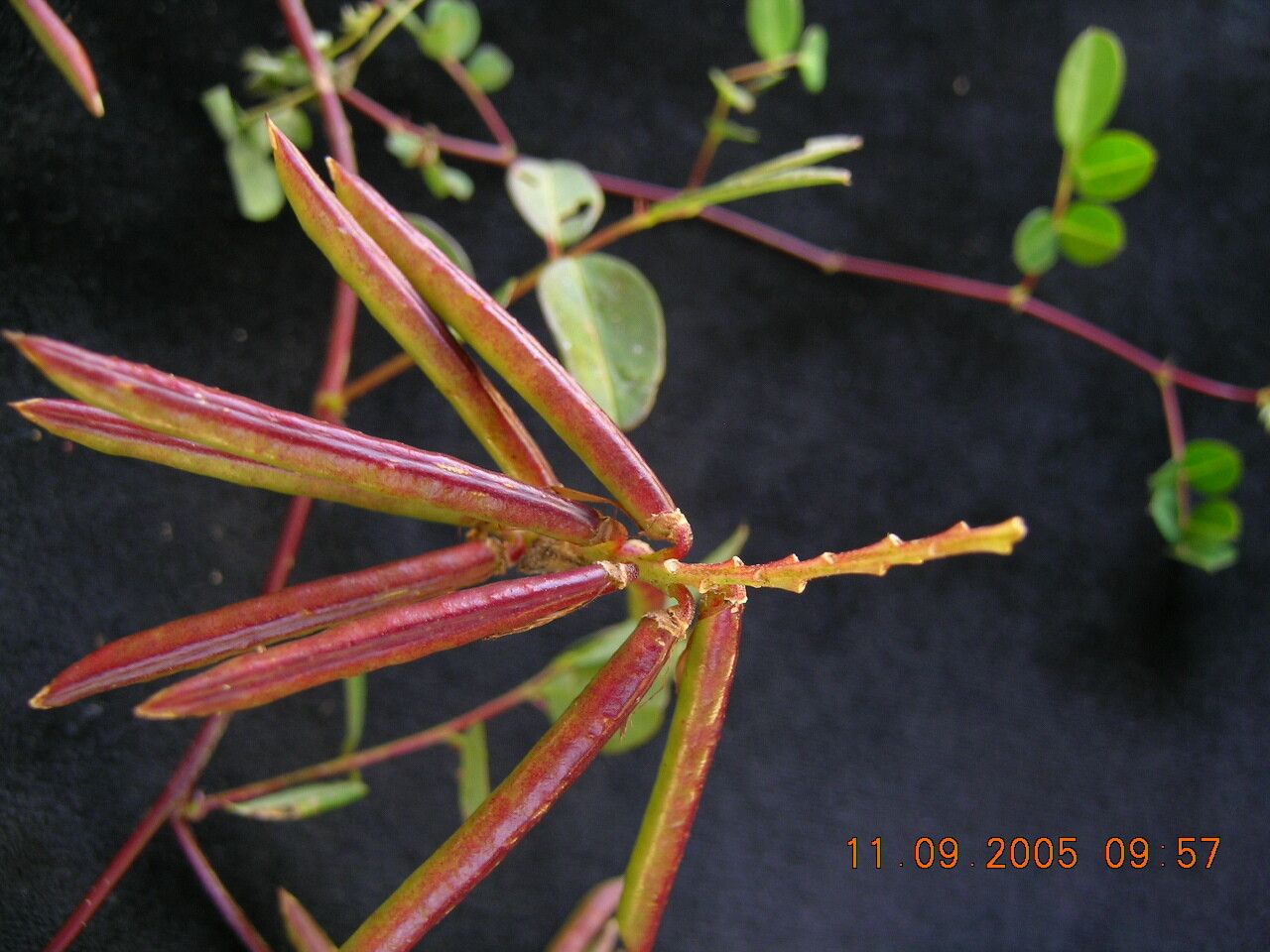
Propagating Indigofera bracteata: Unveiling the Secrets of the Showy Indigo
Indigofera bracteata, commonly known as the Showy Indigo or Large-bracted Indigo, is a striking shrub valued for its vibrant, profuse purple flower displays. Its arching branches laden with pea-like blossoms make it a popular choice among gardeners seeking a touch of exotic beauty. However, propagating this attractive plant presents unique challenges, making successful cultivation all the more rewarding. Let’s explore the various methods available.
Seed Germination:
Currently, there are no known reliable methods for seed germination propagation of Indigofera bracteata. While seeds may be produced, their germination rate is reportedly very low, even with pre-treatment techniques like scarification or stratification. This is likely due to factors such as hard seed coats or dormancy mechanisms. Further research is required to determine if specific environmental conditions or germination techniques could successfully improve seed germination.
Cuttings:
Cuttings offer a more viable approach to propagating Indigofera bracteata.
Challenges: Rooting success rates can vary depending on the timing and method used. The plant’s semi-woody nature requires specific care to prevent rot while promoting root development.
Practical Tips: Semi-hardwood cuttings taken in late spring or early summer show the best results. Dip the cuttings in a rooting hormone powder before planting in a well-draining potting mix, such as a mixture of perlite and peat moss. Maintain high humidity using a humidity dome or plastic bag and ensure consistent moisture but avoid waterlogging. Bottom heat can also significantly improve rooting success.
Rewards: Cuttings allow for rapid multiplication of desirable genotypes, preserving the specific characteristics of a parent plant. This method is relatively simple and cost-effective compared to other propagation techniques.
Division:
Division is generally not a feasible method for propagating Indigofera bracteata. The plant doesn’t readily produce easily separable crowns or rhizomes, unlike some other shrubs. Attempts at division would likely damage the plant and result in low success rates.
Tissue Culture:
Tissue culture offers a potential, albeit advanced, method for propagating Indigofera bracteata.
Challenges: Tissue culture requires a specialized laboratory setting, sterile conditions, and expertise in plant tissue culture techniques. It can be expensive and time-consuming. Developing optimal protocols for this species would require significant research and experimentation to determine the ideal media, hormones, and growth conditions.
Practical Tips: This is not a method easily undertaken by home gardeners. Collaboration with a tissue culture laboratory specializing in plant propagation would be necessary.
Rewards: Tissue culture allows for rapid mass propagation of genetically identical plants, ideal for commercial purposes or conservation efforts. It also presents opportunities to eliminate diseases and produce disease-free planting material.
Conclusion:
Propagating Indigofera bracteata presents unique challenges, with cuttings offering the most readily accessible and reliable method for the home gardener. While seed germination and tissue culture remain largely unexplored possibilities, further research is needed to unlock their potential. The inherent difficulties involved, however, only heighten the satisfaction achieved when successfully nurturing these cuttings into mature, flowering plants. For aspiring propagators, patience, attention to detail, and a willingness to experiment are key to unlocking the secrets of this remarkable plant. Embrace the challenge, and the reward of a vibrant, thriving Showy Indigo will be well worth the effort.