
Propagating Parsonsia flexilis: The Challenges and Rewards of Growing the Australian Swamp Dogbane
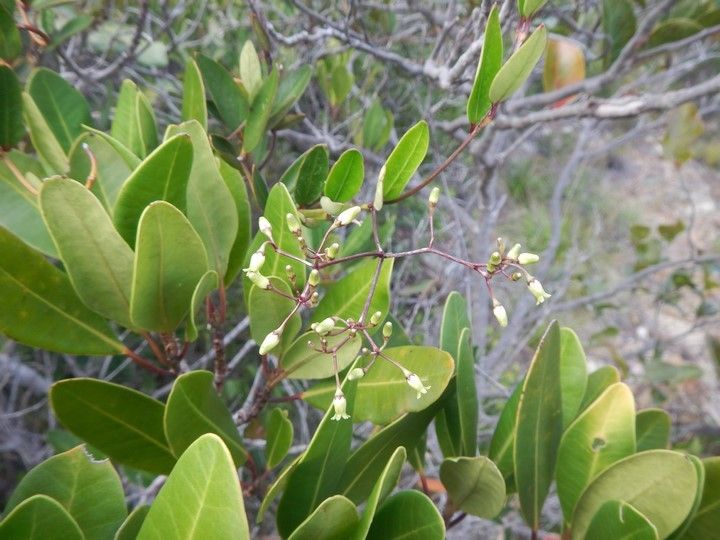
Parsonsia flexilis, commonly known as the twining native jasmine or swamp dogbane, is a captivating climber prized for its elegant, fragrant flowers and glossy foliage. Its adaptability and vigorous growth make it a popular choice among gardeners, particularly for screening, ground cover, and adding vertical interest to landscapes. However, propagating this beautiful plant presents unique challenges, making the successful cultivation all the more rewarding.
Seed Germination:
Currently, there are no known reliable methods for seed germination propagation of Parsonsia flexilis. While seeds may be produced, their germination rate is exceptionally low, and successful germination has not been consistently replicated under controlled conditions. Further research is needed to determine if specific pre-treatments or environmental conditions might improve germination success.
Cuttings:
Cuttings represent the most reliable method for propagating Parsonsia flexilis.
Challenges: The success rate can vary depending on timing and technique. Hardwood cuttings taken in late autumn or winter often perform poorly.
Practical Tips: Take semi-hardwood cuttings (partially mature wood) in late spring or early summer. Use a sharp knife or secateurs to obtain cuttings of approximately 10-15cm, removing lower leaves. Treat the cut ends with a rooting hormone to stimulate root development. Plant the cuttings in a well-draining propagation mix, keeping the mix consistently moist but not waterlogged. High humidity (e.g., using a propagator or covering with plastic) is beneficial.
Rewards: Cuttings offer a relatively straightforward method, allowing for the propagation of specific desirable traits from existing plants. This method is suitable for small-scale propagation for home gardeners.
Division:
Division is not a practical method for propagating Parsonsia flexilis. The plant’s root system is not easily divided, and attempting to do so can severely damage the parent plant without guaranteeing successful propagation of the separated portions.
Tissue Culture:
Tissue culture offers a potential method for large-scale propagation of Parsonsia flexilis.
Challenges: Establishing a successful tissue culture protocol requires specialized equipment, expertise, and aseptic techniques. This method is expensive and time-consuming.
Practical Tips: This method requires a sterile laboratory environment and expertise in plant tissue culture techniques. Sterilization of plant material and media is crucial. The use of specific growth regulators is necessary for optimal shoot proliferation and root development.
Rewards: Tissue culture offers the potential for rapid and mass propagation of genetically identical plants, preserving desirable traits and enabling large-scale commercial production.
Conclusion:
Propagating Parsonsia flexilis presents a unique set of challenges, with cuttings proving the most consistently successful method for the average gardener. While seed germination appears extremely difficult and division impractical, tissue culture offers potential for large-scale propagation, although it requires significant expertise and resources. The rewards, however, are significant. Successfully cultivating this beautiful climber from a cutting, overcoming the initial hurdles, provides a profound sense of accomplishment. The fragrant flowers and vigorous growth of the resulting plant will serve as a testament to your perseverance and horticultural skill. For aspiring propagators, remember patience and attention to detail are key – don’t be discouraged by initial setbacks. The journey of successfully propagating Parsonsia flexilis is just as rewarding as enjoying the mature plant itself.