
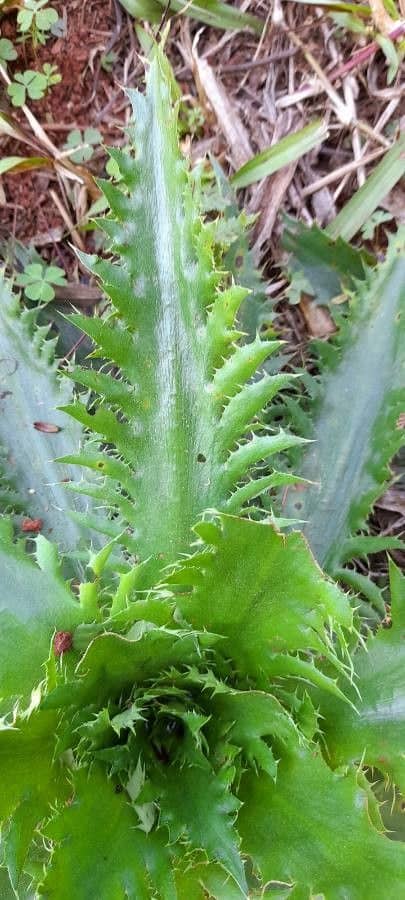
Taming the Sea Holly: A Guide to Propagating Eryngium floribundum
Eryngium floribundum, with its mesmerizing, thistle-like blooms and steely blue hues, is an enchanting addition to any garden. This South American native, often referred to as Sea Holly, adds a touch of drama and architectural elegance to borders, gravel gardens, and even cut flower arrangements. While readily available at nurseries, propagating your own Eryngium floribundum allows you to expand your plant collection while enjoying the satisfaction of nurturing new life.
Two Roads to Success: Seed and Division
Luckily, propagating Eryngium floribundum isn’t as prickly as its appearance might suggest. Gardeners have two effective methods at their disposal:
1. Seed Propagation: A Rewarding Challenge
Starting Eryngium floribundum from seed is a more time-consuming process, but it offers a greater sense of accomplishment and can yield numerous plants. Here’s how:
- Timing is Key: Sow seeds in late winter or early spring.
- Prepare the Seedbed: Use a seed starting mix that’s well-draining.
- Cold Stratification: Eryngium seeds benefit from a period of cold to mimic natural winter conditions. Place the seed tray in the refrigerator for 4-6 weeks before moving it to a warm, sunny location.
- Light and Water: Keep the soil consistently moist but not waterlogged. Provide ample bright, indirect light.
- Transplant Time: Once seedlings have developed a couple of sets of true leaves, carefully transplant them into individual pots.
2. Division: The Faster Route to New Plants
For quicker results and to maintain the characteristics of a specific cultivar, division is the preferred method:
- When to Divide: Divide established clumps in spring, just as new growth begins to emerge.
- The Dig and Divide Process: Carefully lift the entire plant from the ground, ensuring you retain as much of the root system as possible. Using a sharp, clean knife or garden spade, divide the clump into sections, making sure each section has a good amount of roots and shoots.
- Replanting: Replant the divisions at the same depth they were previously growing. Water well and provide shade for the first week or two while they establish themselves.
Tip: When dividing, wear gloves to protect your hands from the spines.
Caring for Your New Eryngium Floribundum
Whether grown from seed or division, Eryngium floribundum thrives in well-drained soil and full sun to partial shade. Water regularly after planting but once established, they are quite drought tolerant.
A Final Word:
Propagating Eryngium floribundum is a rewarding experience for gardeners of all levels. With a little patience and care, you can enjoy these striking architectural plants for years to come, adding a touch of unique beauty to your garden space.