
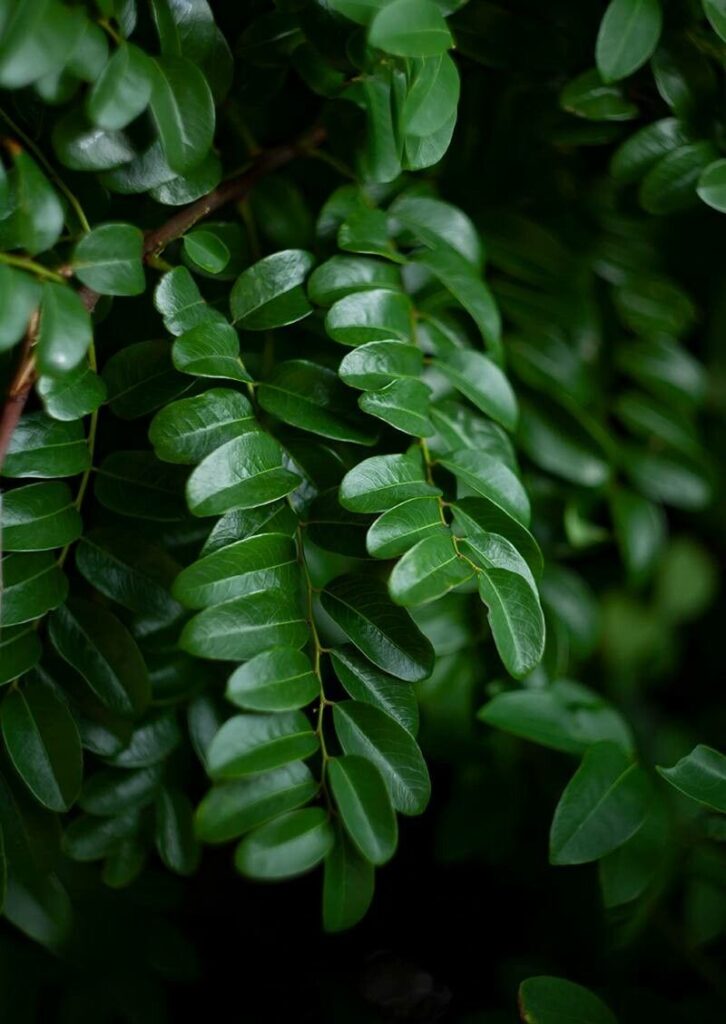
From Seed to Sapling: Propagating the Intriguing Erythrophleum fordii
The Erythrophleum fordii, known for its striking, glossy foliage and unique bark, is a striking tree that’s gaining popularity among home gardeners and plant enthusiasts. While acquiring a mature specimen can be costly, you can bring the beauty of this tree into your landscape by propagating it yourself.
This blog post will guide you through the process of propagating Erythrophleum fordii, covering both seed propagation and cuttings.
The Seed Story: A Journey From Seed to Seedling
- Harvesting Seeds: The first step is to obtain fresh seeds. Erythrophleum fordii seeds are contained within pods that ripen to a reddish-brown colour. Once ripe, the pods split open, revealing the seeds. You can collect these directly from the tree or purchase them from a reputable source.
- Seed Preparation: The seeds of Erythrophleum fordii have a hard seed coat that hinders germination. To overcome this, you need to scarify them. This can be done by gently nicking the seed coat using a sharp knife or sandpaper, or by soaking them in warm water for 24 hours.
- Sowing the Seeds: After scarifying, sow the seeds in a well-draining seed starting mix. Keep the soil consistently moist but not waterlogged. Seeds should germinate within a few weeks, given warm temperatures (around 25°C).
- Transplanting: Once the seedlings have developed a few true leaves, you can transplant them into larger pots or directly into your garden, choosing a location with well-drained soil and full sun.
Cutting the Corner: Growing Erythrophleum fordii from Cuttings
While seed propagation is the traditional method, you can also propagate Erythrophleum fordii from cuttings. This method is often faster and produces plants that are genetically identical to the parent plant.
- Choosing Cuttings: Take semi-hardwood cuttings in late spring or summer from healthy stems that have just finished growing. Cuttings should be about 10-15cm long, with several leaves at the top.
- Preparing the Cuttings: Remove the leaves at the bottom half of the cutting and apply rooting hormone to the cut end.
- Planting the Cuttings: Plant the cuttings in a pot filled with a well-draining rooting mix, leaving the top two or three leaves exposed. Keep the cuttings in a warm, humid environment, using a humidity dome or plastic wrap.
- Patience is Key: Cuttings generally take several weeks to root successfully. Keep the rooting mix consistently moist. Once new growth emerges, you can gradually expose the cuttings to drier conditions.
Important Considerations for Erythrophleum fordii Propagation
- Protection from Pests: Erythrophleum fordii can be susceptible to certain pests, including aphids and mealybugs. Monitor your seedlings and cuttings for signs of infestation and treat them accordingly.
- Location, Location, Location: This tree thrives in full sun and well-drained soil. Ensure you choose a location that meets these needs to ensure your Erythrophleum fordii thrives.
- Be Patient: Patience is key to successful propagation. Whether you choose seeds or cuttings, it takes time for Erythrophleum fordii to establish and grow.
Final Thoughts
Propagating Erythrophleum fordii from seed or cuttings is a rewarding experience for any plant enthusiast. By following these detailed instructions and taking the necessary steps, you can cultivate this unique tree in your own garden and enjoy its captivating beauty for years to come. Remember, patience and careful monitoring are essential to ensure success and witness the wonder of watching a tiny seed or cutting transform into a majestic tree.