
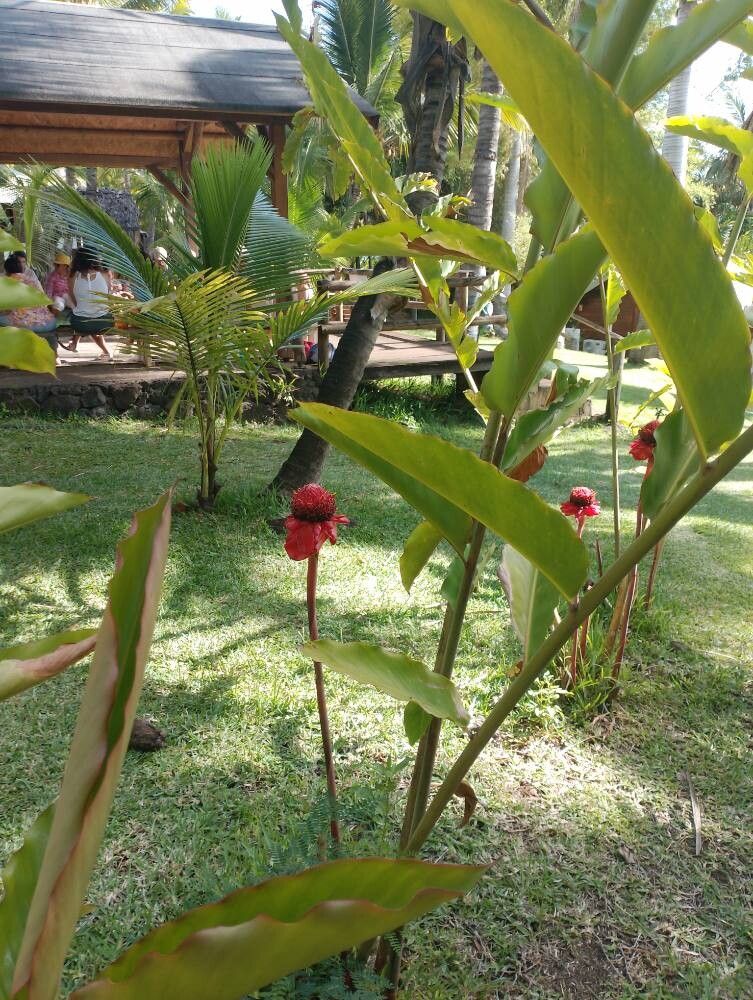
Propagating the Malaysian Ginger Flower: A Guide to Etlingera hemisphaerica
Introduction
Etlingera hemisphaerica, also known as the Malaysian Ginger Flower or Torch Ginger, is a striking tropical plant prized for its vibrant, unique inflorescences. These cone-shaped, brightly colored flower bracts, ranging from red to orange-yellow, make it a highly sought-after ornamental plant for gardens in suitable climates. Its large, attractive leaves further enhance its appeal. While its beauty is undeniable, propagating Etlingera hemisphaerica can present unique challenges. This article explores various propagation methods, outlining their feasibility and offering practical guidance for successful cultivation.
Seed Germination
Currently, there are no known reliable methods for seed germination propagation of Etlingera hemisphaerica. While the plant does produce seeds, their viability is extremely low, and germination rates are negligible under typical horticultural conditions. Further research is needed to determine if specific pre-treatment techniques (e.g., scarification, hormonal treatments) could improve germination success.
Cuttings
Cuttings offer a more reliable method of propagating Etlingera hemisphaerica compared to seed germination.
Challenges: The success rate depends heavily on using healthy, actively growing stem cuttings. Incorrect rooting hormone application and inadequate humidity levels can significantly hamper rooting.
Practical Tips: Take 10-15cm long stem cuttings from non-flowering shoots, ensuring each cutting has several nodes. Remove lower leaves to prevent rot. Dip the cut ends in a rooting hormone solution before planting in a well-draining, moist propagation mix (e.g., perlite and peat moss). Maintain high humidity (e.g., using a humidity dome or plastic bag) and warmth (around 25-30°C).
Rewards: Cuttings provide a relatively fast propagation method, allowing for the multiplication of desirable plant traits from a parent plant.
Division
Division of established Etlingera hemisphaerica plants is a highly effective propagation method.
Challenges: This technique requires mature, well-established plants, limiting its immediate application for new growers. Care must be taken during the division process to avoid damaging the rhizomes.
Practical Tips: Division is best carried out during the dormant season (if present) or during periods of less active growth. Carefully dig up the mature plant, separating the rhizomes into individual sections, ensuring each portion has healthy roots and growing points. Replant the divisions in similar growing conditions to the parent plant.
Rewards: Division offers a high success rate and produces plants that are genetically identical to the parent, preserving desirable characteristics.
Tissue Culture
Tissue culture presents a potential, albeit specialized, method for large-scale propagation of Etlingera hemisphaerica.
Challenges: Tissue culture requires specialized equipment, sterile conditions, and a high level of technical expertise. It’s a more expensive and time-consuming method than cuttings or division.
Practical Tips: This method requires a laboratory setting with appropriate media, growth regulators, and aseptic techniques to establish and maintain plant cultures. The successful establishment of protocols is crucial for consistent results.
Rewards: Tissue culture allows for the rapid multiplication of plants, allowing conservation efforts and the production of large numbers of disease-free plants.
Conclusion
Propagating Etlingera hemisphaerica presents unique challenges depending on the method chosen. While seed germination currently proves unreliable, cuttings and division offer more accessible and successful options for most gardeners. Tissue culture provides a specialized pathway for large-scale propagation but demands specific expertise. The satisfaction derived from successfully cultivating this magnificent plant, however, far surpasses the difficulties encountered. The vibrant beauty of its bloom and the knowledge that you have nurtured it from a cutting or division is a highly rewarding experience. For aspiring propagators, begin with cuttings or division, mastering these techniques before delving into the intricacies of tissue culture. Remember to provide consistent care, including adequate warmth, humidity, and well-draining soil, for optimum success.