
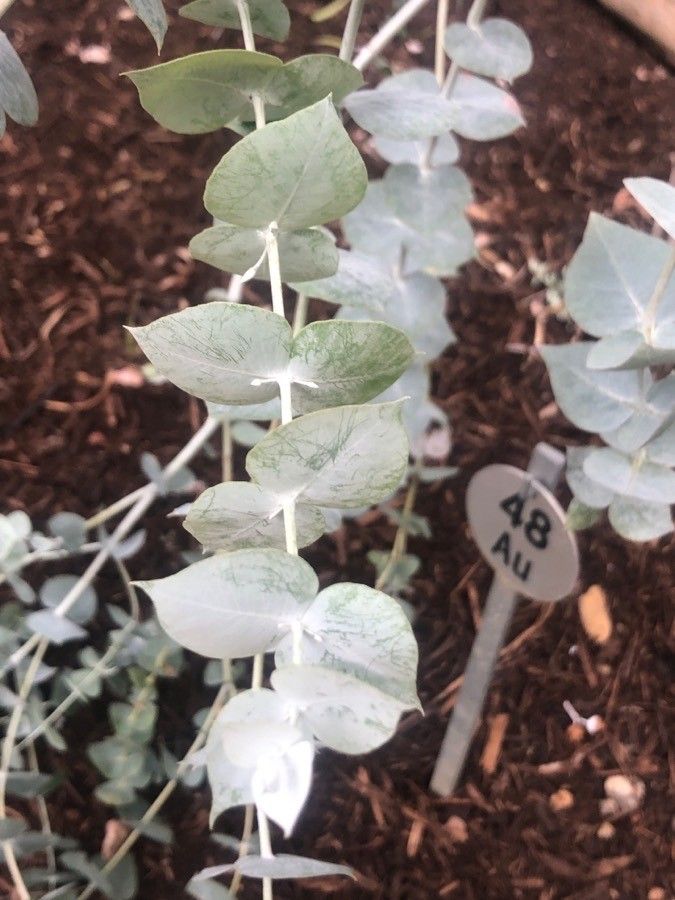
Propagating the Brown Mallee: A Guide to Eucalyptus crucis
Introduction:
Eucalyptus crucis, commonly known as the Brown Mallee, is a small, multi-stemmed tree belonging to the Myrtaceae family. Native to Australia, it’s prized for its attractive, rough bark, fragrant foliage, and adaptability to a range of conditions, making it a popular choice among gardeners, particularly those interested in native Australian flora. Its relatively compact size compared to other eucalyptus species also contributes to its appeal for smaller gardens. However, propagation can present some unique challenges.
Seed Germination:
Seed germination for Eucalyptus crucis is a viable, though somewhat challenging, method of propagation. The primary challenge lies in the dormancy of the seeds. While germination rates vary depending on seed source and age, pre-treatment is often necessary to break this dormancy.
Challenges: Seed dormancy requiring pre-treatment. Inconsistent germination rates.
Practical Tips: Soaking seeds in warm water for 24-48 hours before sowing can improve germination rates. Consider scarification (lightly nicking the seed coat) to aid water absorption. Sow seeds in a well-draining seed-starting mix, keeping them moist but not waterlogged. Germination typically occurs within a few weeks under warm, bright conditions. A bottom heat mat can be beneficial.
Rewards: High genetic diversity from seed-grown plants. Potential for large-scale propagation, making it suitable for restoration projects or commercial nurseries.
Cuttings:
Cuttings offer a more reliable, albeit slower, method for propagating Eucalyptus crucis. However, success depends heavily on the timing, technique, and hormonal treatments.
Challenges: Relatively low success rate compared to other propagation methods. Requires specialized equipment and rooting hormones. Cuttings are prone to fungal diseases.
Practical Tips: Use semi-hardwood cuttings taken from actively growing stems in late spring or early summer. Dip cuttings in a rooting hormone solution before planting in a well-draining medium, such as perlite or a mix of perlite and vermiculite. Maintain high humidity using a propagation dome or plastic bag. Regular misting is crucial.
Rewards: Faster establishment compared to seed-grown plants. Production of genetically identical plants, useful for preserving desirable traits.
Division:
Division is not a practical method for propagating Eucalyptus crucis. The plant’s multi-stemmed nature doesn’t lend itself easily to division, and attempts to separate the stems are likely to damage the root system, leading to plant failure.
Challenges: Difficult to separate stems without significant root damage. High risk of plant mortality.
Practical Tips: Currently, there are no known reliable methods for division propagation of Eucalyptus crucis.
Tissue Culture:
While not widely practiced for Eucalyptus crucis, tissue culture offers a potential avenue for large-scale, uniform propagation. It requires specialized equipment and expertise, making it less accessible to home gardeners.
Challenges: Requires specialized laboratory equipment and expertise. High initial setup costs. Potential for contamination.
Practical Tips: This method requires sterile conditions and precise nutrient media. Specialized knowledge of plant tissue culture techniques is necessary.
Rewards: High propagation rates. Production of disease-free, genetically uniform plants.
Conclusion:
Propagating Eucalyptus crucis presents unique challenges across different methods. While seed germination offers genetic diversity but inconsistent results, cuttings provide a more reliable, if less diverse, approach. Division is impractical, and tissue culture offers high-volume propagation but requires specialized skills and resources. The rewards, however, are worth the effort for those dedicated to cultivating this beautiful Australian native. The unique satisfaction comes from overcoming the hurdles and witnessing the emergence of a healthy, thriving Brown Mallee – a testament to patience and horticultural skill. Aspiring propagators should carefully consider their resources, experience level, and desired outcome before selecting their chosen method. Remember careful attention to moisture levels, drainage, and proper sanitation are key to success regardless of the chosen method.