
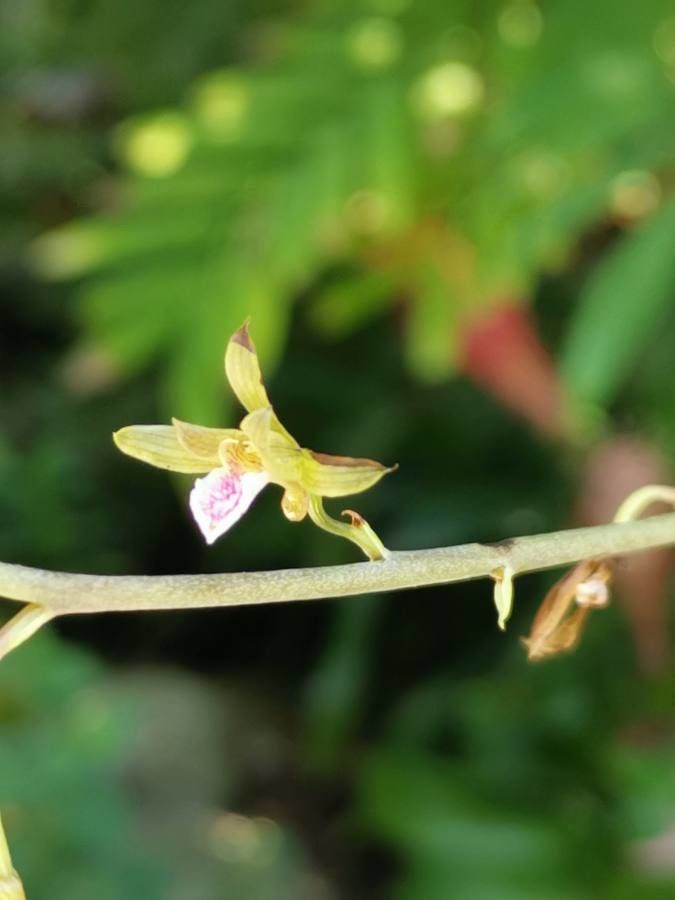
Propagating Eulophia graminea: A Grassy Challenge
Eulophia graminea, commonly known as the Grass-leaved Eulophia, is an attractive terrestrial orchid prized for its slender, grass-like leaves and delicate, often fragrant, flowers that typically bloom in late summer or autumn. Its relative ease of cultivation (in comparison to other orchids) makes it a popular choice among orchid enthusiasts, though propagation can present some unique challenges. This article explores various propagation methods for Eulophia graminea, weighing their viability and offering practical advice for success.
Seed Germination:
Currently, there are no known reliable methods for seed germination propagation of Eulophia graminea. Orchid seeds, in general, are notoriously tiny and lack endosperm, requiring symbiotic relationships with mycorrhizal fungi for germination. Establishing these symbiotic relationships in a controlled environment is extremely difficult and hasn’t been successfully replicated for this specific species. Therefore, seed propagation is not a practical method for the home grower.
Cuttings:
Cuttings are also not a viable method for propagating Eulophia graminea. Unlike some other plants, this orchid does not readily produce new plants from stem or leaf cuttings. Attempts at vegetative propagation through cuttings will likely result in failure.
Division:
Division is the most common and most reliable method for propagating Eulophia graminea. This involves carefully separating the mature plant’s rhizomes (underground stems) into smaller sections, each containing several healthy growths and roots.
Challenges: The primary challenge lies in ensuring each division receives sufficient root mass to establish itself. Dividing too aggressively can weaken the parent plant and the resulting divisions. Additionally, improper handling can damage the delicate rhizomes, leading to rot.
Practical Tips: Divide the plant during its dormant period (usually winter) when growth is minimal. Use a sharp, sterilized knife or shears to cleanly separate the rhizomes. Handle the divisions gently and ensure each section has a good root system and several healthy pseudobulbs (swollen stems). Plant the divisions in well-draining, orchid-specific potting mix and provide adequate moisture and humidity.
Rewards: Division offers a relatively straightforward method for increasing the number of plants, allowing for sharing and expanding one’s collection. It also preserves the genetic characteristics of the parent plant.
Tissue Culture:
Tissue culture offers a potentially high-yield propagation method for Eulophia graminea, but it requires specialized equipment, sterile conditions, and technical expertise. This method is generally beyond the scope of the average home hobbyist.
Challenges: Establishing and maintaining a sterile environment is critical to preventing contamination, while the technique demands precise control over nutrient media and growth factors. The process is also time-consuming and requires specific knowledge of plant tissue culture techniques.
Practical Tips: While beyond the average hobbyist, finding a commercial lab specializing in orchid propagation could be a viable option for large-scale production.
Rewards: Tissue culture offers near-limitless propagation potential and allows for the production of disease-free plants. If successful, it can be used to conserve rare varieties of Eulophia graminea as well.
Conclusion:
Propagating Eulophia graminea presents both challenges and rewards. While seed germination and cuttings are not viable options, division provides a reasonably straightforward method for the home hobbyist. Tissue culture offers a higher yield but requires considerable technical expertise. The satisfaction of successfully propagating this graceful orchid, overcoming the obstacles inherent in the process, is a testament to perseverance and horticultural skill. For aspiring propagators, start with division; master that technique, and your reward might ultimately be a flourishing collection of these beautiful, grass-leaved beauties.