
Taming the Wild Beauty: Propagating the Himalayan Eyebright (Euphrasia himalayica)
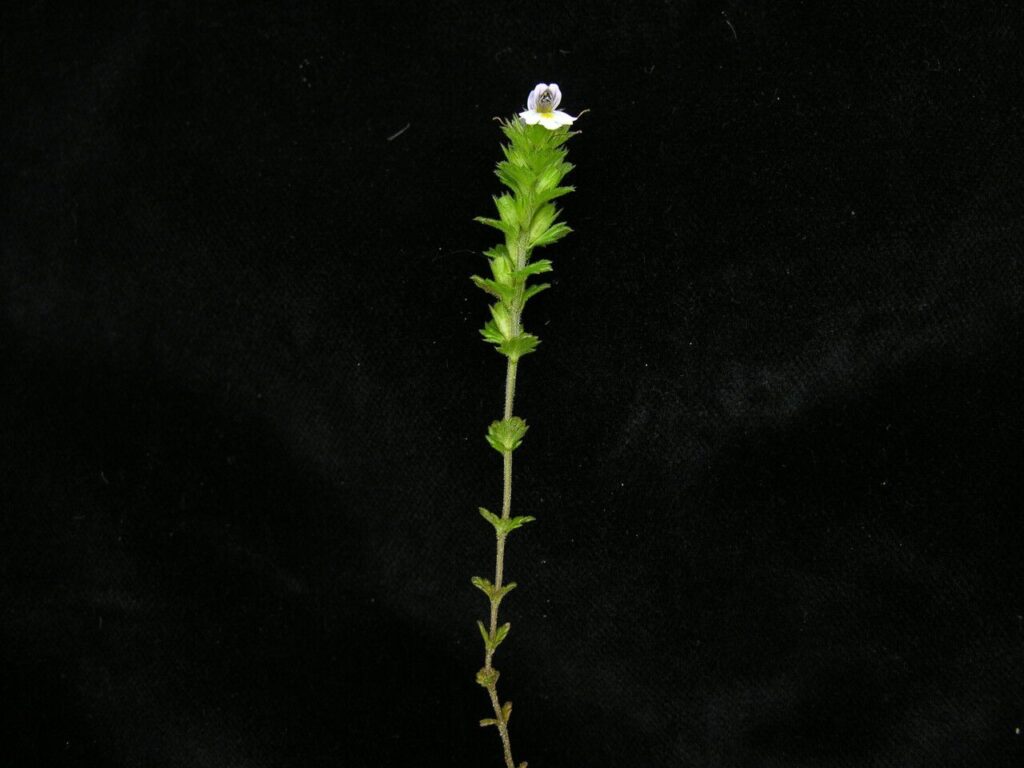
The Himalayas evoke images of towering peaks and rugged landscapes, but nestled among the grandeur are delicate treasures like the Euphrasia himalayica, commonly known as Himalayan Eyebright. This unassuming alpine plant, with its charming white and lilac flowers, holds a special allure for gardeners seeking to invite a touch of the wild into their spaces. But taming this wild beauty can be tricky, requiring a delicate touch and understanding of its unique propagation needs.
Unlike many garden varieties, Euphrasia himalayica isn’t the easiest to propagate from cuttings. This delicate species prefers to start its life journey from seed, a process that mirrors its natural lifecycle in the challenging Himalayan environment.
Seed Starting: Embracing the Himalayan Challenge
Timing is Key: The ideal time for sowing Euphrasia himalayica seeds is in the fall or late winter. This mimics the natural rhythm of the plant, allowing seeds to experience a period of cold stratification crucial for breaking dormancy.
Creating the Perfect Seedbed:
- Well-Draining Mix: Use a seed starting mix that is light and well-draining. A mixture of peat moss, perlite, and vermiculite works well.
- Surface Sow: Sprinkle the seeds on the surface of the moistened mix and lightly press them in, but don’t bury them. Euphrasia himalayica seeds need light to germinate.
- Cold Stratification: If sowing in fall, a cold frame or unheated greenhouse provides the ideal conditions. For late winter sowing, place the seed tray in the refrigerator for 4-6 weeks to simulate winter conditions.
- Warmth and Light: After the stratification period, move the tray to a bright location with temperatures around 60-65°F (15-18°C).
- Patience is a Virtue: Germination can be erratic, taking anywhere from a few weeks to a couple of months. Keep the seedbed consistently moist but not soggy.
Transplanting: Handling with Care
- Gentle Touch: Once seedlings develop a couple of sets of true leaves, they are ready to be transplanted. Handle them carefully as their root systems are delicate.
- Spacing and Sunlight: Plant them in well-drained soil with a slightly acidic to neutral pH, spacing them about 6-8 inches apart. Choose a location that receives partial shade, especially during the hottest part of the day.
- Watering Wisely: Keep the soil consistently moist but not waterlogged.
- Enjoying the Blooms: With proper care, your Euphrasia himalayica plants should reward you with their charming blooms in late spring or early summer.
Beyond Seeds: Exploring Other Options
While seed propagation is the most reliable method, Euphrasia himalayica can sometimes be propagated through division. However, this is best attempted with established plants in early spring before new growth emerges. Gently separate the plant into smaller sections, ensuring that each division has a good root system.
A Rewarding Endeavor:
Propagating Euphrasia himalayica might require a little extra patience and care compared to other garden favorites, but the reward of seeing these delicate Himalayan beauties thrive in your own space is well worth the effort. Their delicate blooms, a whisper of the Himalayas, will add a touch of wild charm and serve as a constant reminder of the beauty that comes from embracing the challenges of nature.