
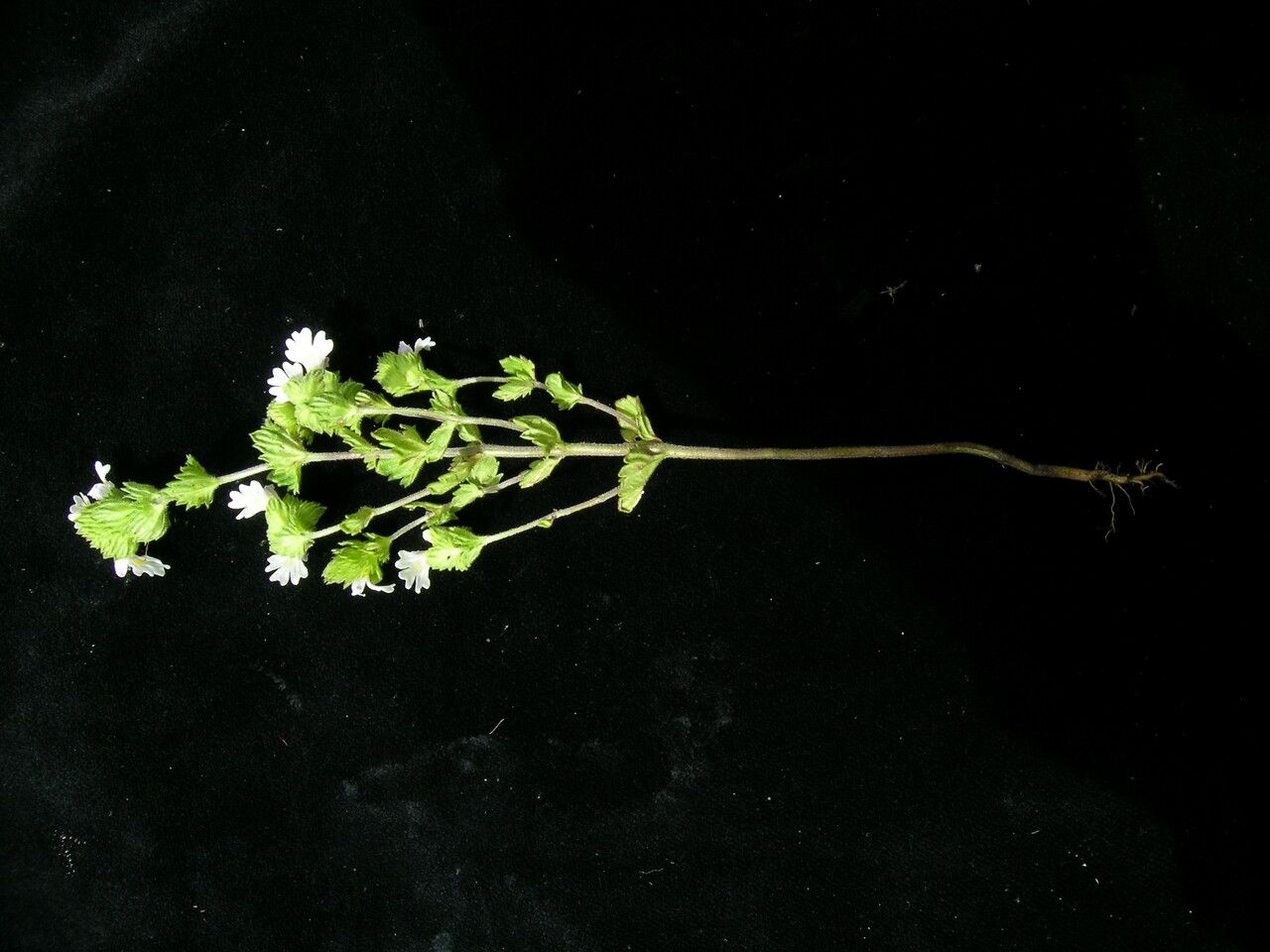
Taming the Tiny Treasures: Propagating Euphrasia schlagintweitii
Euphrasia schlagintweitii, a name that might seem like a mouthful, actually belongs to a tiny but fascinating plant. More commonly known as Eyebright, this annual wildflower, with its delicate blooms and reputation for eye health benefits, can be a rewarding, if somewhat challenging, addition to your garden. Today, we’ll delve into the captivating world of Euphrasia propagation and learn how to nurture these little wonders.
Understanding Euphrasia’s Nature:
Before diving into propagation, it’s crucial to understand Euphrasia’s unique nature. These plants are hemiparasitic, meaning they obtain some nutrients by attaching to the roots of nearby grasses. This relationship, while fascinating, adds a layer of complexity to their cultivation.
Two Paths to Propagation:
1. Seed Sowing:
- Timing is Key: Euphrasia seeds are best sown directly outdoors in the fall. This timing allows seeds to experience natural winter stratification, a period of cold temperatures that triggers germination.
- Choosing the Right Spot: Select a well-drained location that receives ample sunlight. Since Euphrasia prefers a slightly acidic soil with a bit of grit, consider amending the area with some sand and peat moss.
- Sowing the Seeds: Due to their small size, simply sprinkle the seeds on the soil surface and gently press them down. Remember, they need light to germinate, so avoid burying them deep.
- Patience and Observation: Germination can be erratic, taking anywhere from a few weeks to the following spring. Keep the soil consistently moist but not waterlogged during this time.
2. Division (Less Common and More Challenging):
- Timing and Selection: Since Euphrasia are annuals, division is not a common practice. However, if you find a particularly robust plant, you can attempt to carefully divide it in early spring before flowering.
- The Process: Dig around the plant, ensuring you capture a good portion of the root system. Gently separate the plant into smaller sections, each with roots and shoots, and immediately replant them.
- Extra Care: Provide divided plants with consistent moisture and some shade until they establish themselves.
Tips for Success:
- Companion Planting: Euphrasia thrives when planted near grasses like fescue or ryegrass. These act as host plants, providing them with essential nutrients.
- Minimal Fertilization: Due to their hemiparasitic nature, Euphrasia requires less fertilization than other plants. Avoid excessive feeding, as it can actually harm them.
- Let Them Be: Once established, Euphrasia plants are relatively low-maintenance. Allow them to self-seed and spread naturally to create a charming, wildflower meadow effect in your garden.
The Rewards of Patience:
Propagating Euphrasia schlagintweitii might demand a bit of patience and observation, but the rewards are well worth the effort. Their delicate blossoms, reminiscent of miniature orchids, bring a touch of ethereal beauty to any garden. With a little dedication and the right approach, you too can experience the joy of cultivating these charming little wonders.