
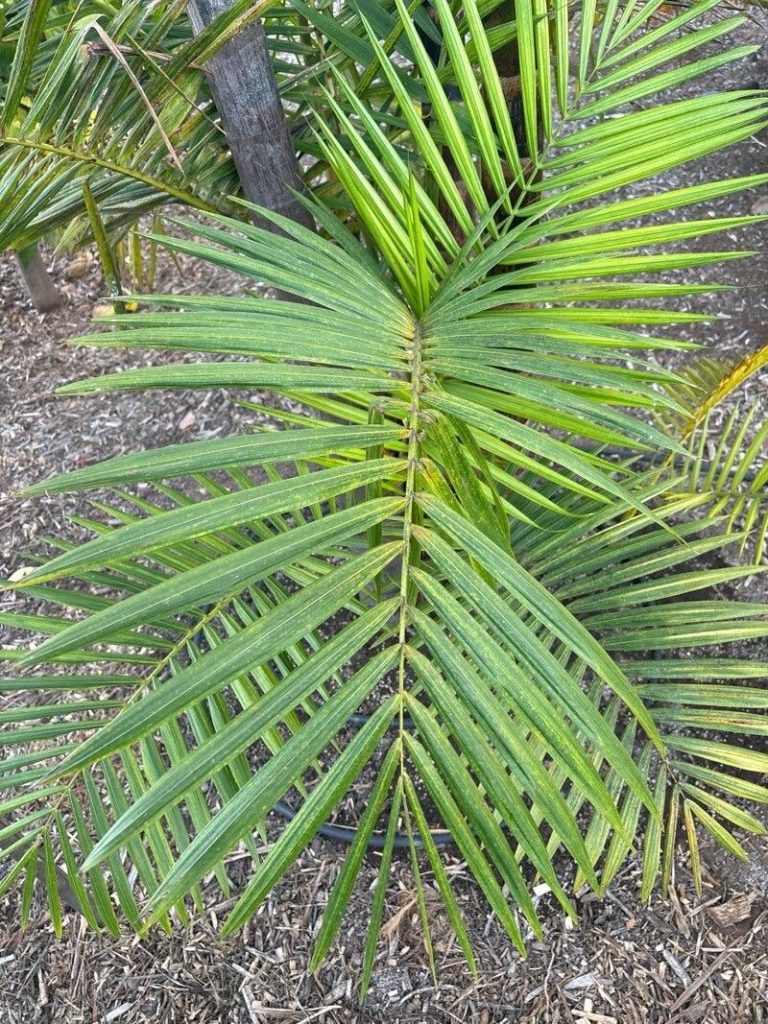
Propagating the Acai Palm (Euterpe oleracea): A Guide for Garden Enthusiasts
Introduction:
Euterpe oleracea, commonly known as the acai palm, is a striking, slender palm tree native to the Amazon basin. Its vibrant green fronds, topped with clusters of small, dark purple berries, make it a captivating addition to tropical gardens. Acai berries are highly prized for their nutritional value, further fueling the plant’s popularity. However, propagating acai palms presents unique challenges due to its specific environmental needs and the challenges associated with its propagation methods. While relatively rare in home gardens outside of tropical climates, the unique satisfaction of cultivating this remarkable plant rewards the diligent propagator.
Seed Germination:
Seed germination is a viable method for propagating Euterpe oleracea, but it presents several challenges. Acai seeds possess a hard, outer shell that restricts water absorption and germination. Therefore, pre-treatment is crucial.
Challenges: Slow germination rates, potential for fungal diseases if seeds aren’t properly cleaned and sown. High seed mortality before germination is quite common.
Practical Tips:
- Seed Preparation: Remove the fruit pulp completely, wash the seeds thoroughly, and soak them in warm water for 24-48 hours before sowing. Consider scarification (lightly scratching the seed coat) to improve water penetration.
- Sowing: Sow seeds individually in well-draining, sterile potting mix at a shallow depth (approximately 1-2 cm). Maintain high humidity through regular misting and a clear plastic covering. Provide consistent warmth (25-30°C).
- Stratification: While not always strictly necessary, cold stratification for a short period (about 30 days at 5-10°C) may stimulate germination in some cases. This mimics the natural conditions of the Amazon rainforest.
Rewards: High genetic diversity in resulting plants; potential for large-scale propagation if germination is successful; relatively inexpensive method.
Cuttings:
Currently, there are no known reliable methods for propagating Euterpe oleracea from cuttings. The plant’s physiology doesn’t lend itself to this method, and attempts are generally unsuccessful.
Division:
Division is not a practical method for propagating Euterpe oleracea. Acai palms have a single stem, and separating parts of the plant to create independent specimens isn’t feasible without severely damaging the parent plant.
Tissue Culture:
Tissue culture offers a viable alternative for large-scale propagation of Euterpe oleracea.
Challenges: This is a technically demanding process requiring specialized equipment, sterile conditions, and expertise in plant tissue culture techniques. It is associated with higher start-up costs.
Practical Tips: This method requires expertise and isn’t feasible for home-based endeavors. Professional labs utilize shoot tip or nodal segments as explants, with careful consideration of media composition, hormonal adjustments and aseptic techniques.
Rewards: The ability to produce large numbers of genetically uniform plants, quickly, and relatively free of disease.
Conclusion:
Propagating Euterpe oleracea presents a unique set of hurdles, with seed germination offering a challenging yet rewarding path for the dedicated enthusiast, while tissue culture holds the most promising approach for large-scale production. While cuttings and division are not viable options, the possibility of successfully growing this impressive palm from seed or through tissue culture is an achievement worth striving for. Remember, patience and persistence are key. The eventual reward of nurturing an acai palm from a tiny seed or a tissue-cultured plantlet to maturity is an exceptionally satisfying experience that will deepen one’s appreciation for the beauty and resilience of this tropical treasure.