
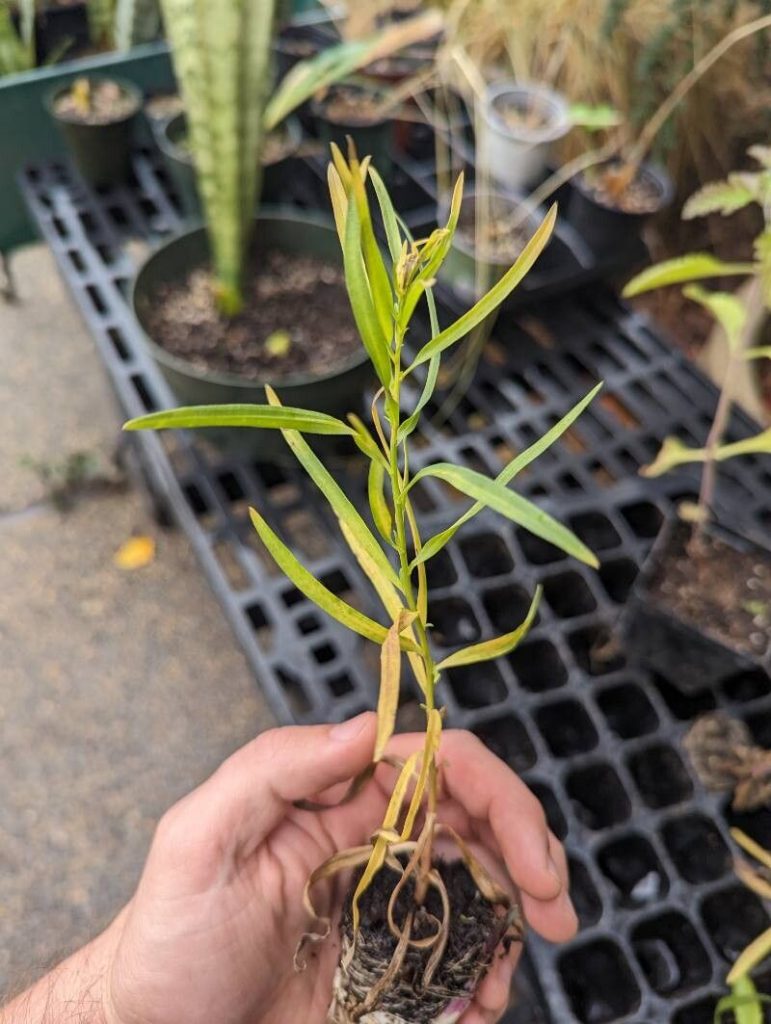
Propagating Western Goldenrod (Euthamia occidentalis): A Gardener’s Guide
Introduction:
Euthamia occidentalis, commonly known as Western Goldenrod, is a charming, drought-tolerant perennial native to western North America. Its feathery foliage and abundant sprays of small, bright yellow flowers make it a popular choice among gardeners seeking low-maintenance, wildlife-friendly additions to their landscapes. While relatively easy to establish once grown, propagation can present some challenges. This guide explores various methods, outlining their viability and offering practical advice. The unique appeal of this plant lies in its resilience and the satisfying sense of accomplishment derived from successfully cultivating it from scratch.
Seed Germination:
Currently, there are no known reliable methods for seed germination propagation of Euthamia occidentalis. While seeds may be produced, germination rates are notoriously low, and successful seedling establishment is rarely reported. Further research into optimal germination conditions, including potential stratification needs, is warranted.
Cuttings:
Cuttings represent a more promising propagation method for Euthamia occidentalis.
Challenges: Rooting success varies greatly depending on timing and technique. Hardwood cuttings taken in late autumn or dormant cuttings in late winter tend to have better results than softwood cuttings taken during active growing seasons.
Practical Tips: Take 4-6 inch cuttings from strong, non-flowering stems. Remove lower leaves, dip the cut end in rooting hormone, and plant in a moist, well-draining propagation mix. Maintain high humidity (e.g., using a propagator or covering with a plastic bag) and bright, indirect light. Root formation typically occurs within 4-8 weeks. Regular misting is critical to maintain moisture levels.
Rewards: Successful rooting of cuttings provides a relatively quick method for increasing the number of plants, ensuring genetic consistency from the parent plant. This is particularly useful for preserving desirable traits or propagating rare cultivars.
Division:
Division is another effective method for propagating Western Goldenrod.
Challenges: Division works best with established plants that have formed dense clumps. Dividing too early can weaken the parent plant. Properly separating the root systems without causing significant damage is crucial for the survival of the divisions.
Practical Tips: The best time to divide Euthamia occidentalis is in early spring or fall, after flowering has finished. Dig up the entire clump, carefully separate it into smaller sections, ensuring each division contains healthy roots and shoots. Replant the divisions immediately in well-prepared soil, ensuring they are well watered.
Rewards: This method offers a rapid increase in the number of plants and is usually very successful provided care is taken with root separation. It allows for a quick replenishment of your garden bed if the species gets overcrowded.
Tissue Culture:
Tissue culture propagation of Euthamia occidentalis is not commonly practiced, and information on its success is limited. This method requires specialized equipment and expertise, rendering it less accessible to the average gardener.
Challenges: Establishing sterile conditions and maintaining aseptic techniques are crucial, requiring significant investment in equipment and expertise. The process is also labour-intensive and time-consuming.
Practical Tips: This method is not suitable for home gardeners. It’s best left to specialized nurseries or research laboratories.
Rewards: Tissue culture offers the potential for large-scale propagation of disease-free plants and the preservation of rare genotypes or cultivars.
Conclusion:
Propagating Euthamia occidentalis presents both challenges and rewards. While seed germination is currently unreliable, cuttings and division provide viable and relatively straightforward avenues for increasing your plant stock. Tissue culture remains a specialized technique, requiring significant expertise and equipment. The unique satisfaction of cultivating this resilient plant lies in overcoming these hurdles—the patient nurturing of a cutting, the careful division of a healthy clump, the ultimate triumph of witnessing a new plant thrive. For aspiring propagators, patience, attention to detail, and a willingness to learn from successes and failures are key ingredients for success. Remember that even small victories – a single rooted cutting or a successfully divided plant – are testament to your commitment and deserve celebration.