
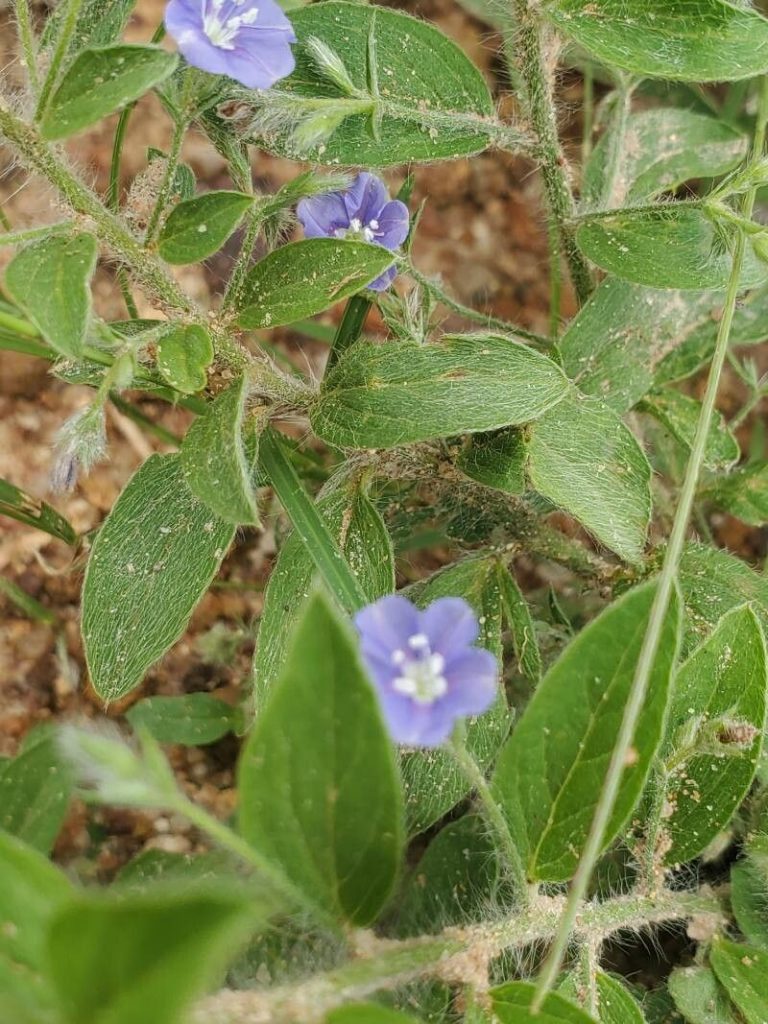
Propagating Evolvulus alsinoides: A Gardener’s Guide to the Dwarf Morning Glory
Evolvulus alsinoides, commonly known as dwarf morning glory, is a charming, low-growing perennial herb prized for its delicate, sky-blue flowers and attractive, spreading habit. Its ease of care and continuous blooming make it a popular choice among gardeners, adorning borders, rock gardens, and even hanging baskets. However, propagating this delightful plant can present certain challenges, making successful cultivation all the more rewarding. This article will explore various propagation methods for Evolvulus alsinoides, examining their viability and effectiveness.
Seed Germination:
Currently, there are no known reliable methods for seed germination propagation of Evolvulus alsinoides. While some anecdotal reports suggest occasional germination from seed collected from mature plants, the success rate is extremely low and inconsistent, making seed propagation impractical for most gardeners. Research into optimal germination conditions, such as stratification or specific temperature requirements, remains limited.
Cuttings:
Cuttings are the most reliable and commonly used method for propagating Evolvulus alsinoides.
Challenges: The primary challenge lies in striking the balance between ensuring sufficient moisture to prevent wilting and avoiding rot. Furthermore, the rooting process can be relatively slow.
Practical Tips: Take semi-hardwood cuttings, approximately 4-6 inches long, from actively growing stems in spring or early summer. Remove lower leaves to prevent rot, and dip the cut ends in rooting hormone powder. Plant the cuttings in a well-draining propagating mix, such as a blend of perlite and peat moss. Maintain consistently moist (but not soggy) conditions and high humidity, perhaps using a humidity dome or misting regularly. Place the cuttings in bright, indirect light.
Rewards: This method provides a relatively quick and straightforward way to produce numerous genetically identical plants, preserving desirable traits.
Division:
Division is another effective method, particularly for established plants.
Challenges: Care must be taken to avoid damaging the root system during the division process. Each section must also be sufficiently large to establish itself independently.
Practical Tips: Divide mature plants in spring or fall. Carefully dig up the plant and gently separate it into several smaller sections, each with its own roots and some stems. Replant each section in a well-prepared location with similar soil and light conditions.
Rewards: Division is a rapid means of increasing plant numbers, particularly helpful for larger, established plants.
Tissue Culture:
Tissue culture propagation offers the potential for large-scale production of Evolvulus alsinoides and the elimination of diseases.
Challenges: Tissue culture requires specialized equipment, a sterile environment, and expertise in plant tissue culture techniques. This method is highly technical and requires specific media and growth regulators.
Practical Tips: This method is best left to specialist nurseries or laboratories due to its complexity.
Rewards: Tissue culture offers the potential for rapid, large-scale propagation, disease-free plants, and the ability to produce many identical clones efficiently.
Conclusion:
Propagating Evolvulus alsinoides presents varying degrees of challenge depending on the chosen method. While seed germination remains unreliable, cuttings and division are viable options for most gardeners, each with its own advantages and disadvantages. Tissue culture represents a more complex, specialized approach. The satisfaction of successfully propagating this beautiful plant, however, outweighs the effort. The delicate, cheerful blooms that result from your efforts are a testament to your perseverance and gardening prowess. Begin with cuttings as the easiest and most reliable method, and perhaps consider experimenting with division as your confidence grows. Embrace the journey, and don’t be discouraged by initial setbacks – the rewards of a thriving Evolvulus alsinoides are well worth the patience and effort.