
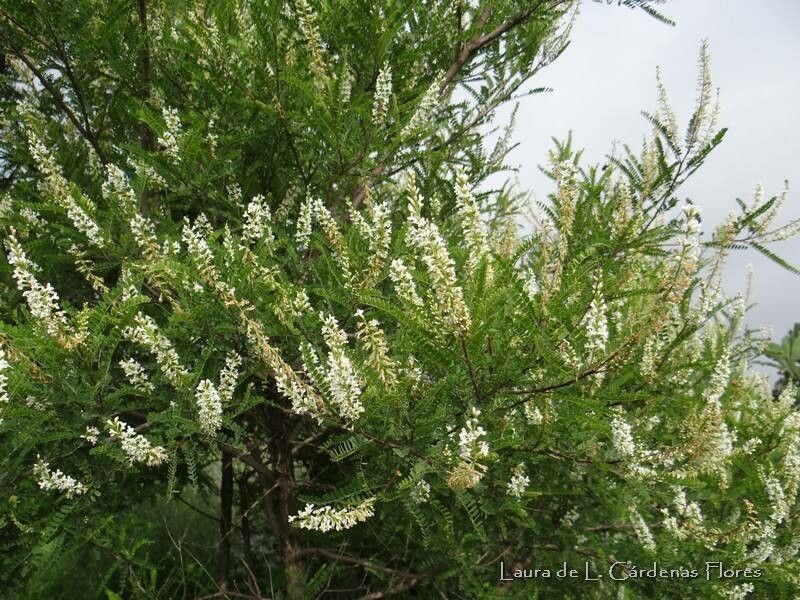
Propagating the Velvet Mesquite: A Gardener’s Guide to Eysenhardtia polystachya
Introduction:
Eysenhardtia polystachya, commonly known as Velvet Mesquite, is a captivating small tree or large shrub prized for its delicate, fern-like foliage, fragrant white flowers, and attractive, dark brown seed pods. Its drought tolerance and adaptability make it a popular choice for xeriscaping and arid-climate gardening. However, propagating Velvet Mesquite can present certain challenges, making successful cultivation all the more rewarding. Its unique attributes, including its nitrogen-fixing capabilities and potential for erosion control, further enhance its horticultural significance.
Seed Germination:
Seed germination is a viable method for propagating Eysenhardtia polystachya, though it can be somewhat challenging. The hard seed coat often inhibits germination.
Challenges: Slow and inconsistent germination rates are common. Dormancy is a primary obstacle.
Practical Tips: Scarification is crucial to improve germination success. This can be achieved by nicking the seed coat with a file or sandpaper, or by soaking the seeds in hot water (approximately 80°C) for a short period (around 30 seconds) followed by stratification. Stratification, which involves exposing seeds to cold, moist conditions for several weeks, can also stimulate germination. Sow seeds in a well-draining seed-starting mix, keeping the soil consistently moist but not waterlogged. Warm temperatures (20-25°C) are ideal.
Rewards: Seed propagation offers the advantage of genetic diversity, resulting in a wider range of plant characteristics. It is also a relatively cost-effective method, particularly suitable for large-scale propagation efforts.
Cuttings:
Propagation through cuttings is a moderately successful method for Eysenhardtia polystachya.
Challenges: Rooting success rates can vary depending on the timing and technique employed. Semi-hardwood cuttings taken in late summer or early autumn generally yield the best results.
Practical Tips: Use a sharp, clean knife or shears to take cuttings of approximately 10-15 cm in length, removing lower leaves to prevent rot. Treat cuttings with a rooting hormone to stimulate root development. Plant cuttings in a well-draining rooting medium such as perlite or a mix of perlite and vermiculite. Maintain high humidity levels using a propagation dome or plastic bag.
Rewards: Cuttings produce genetically identical offspring, preserving desirable traits of the parent plant. This method is relatively quick compared to seed germination.
Division:
Division is generally not a practical method for propagating Eysenhardtia polystachya. This plant doesn’t readily produce suckers or readily separable root systems suitable for division.
Tissue Culture:
Currently, there are no widely available or readily documented protocols for tissue culture propagation of Eysenhardtia polystachya. Further research is needed to develop reliable techniques in this area.
Conclusion:
Propagating Velvet Mesquite presents a unique set of challenges and rewards. While seed germination offers genetic diversity but requires patience and careful technique, cuttings provide genetically uniform plants with faster results. Division is impractical. The absence of readily available tissue culture methods highlights the need for further research in this aspect.
The satisfaction of successfully cultivating Eysenhardtia polystachya, whether from seed or cuttings, is amplified by the inherent difficulties involved. The resilience and beauty of this plant make the effort worthwhile. For aspiring propagators, patience, diligent attention to detail, and a willingness to experiment are key to achieving success. Remember to focus on proper soil drainage and mimic its natural arid conditions as much as possible during propagation. The rewards of witnessing these plants thrive, contributing their unique beauty to your landscape, are truly exceptional.