
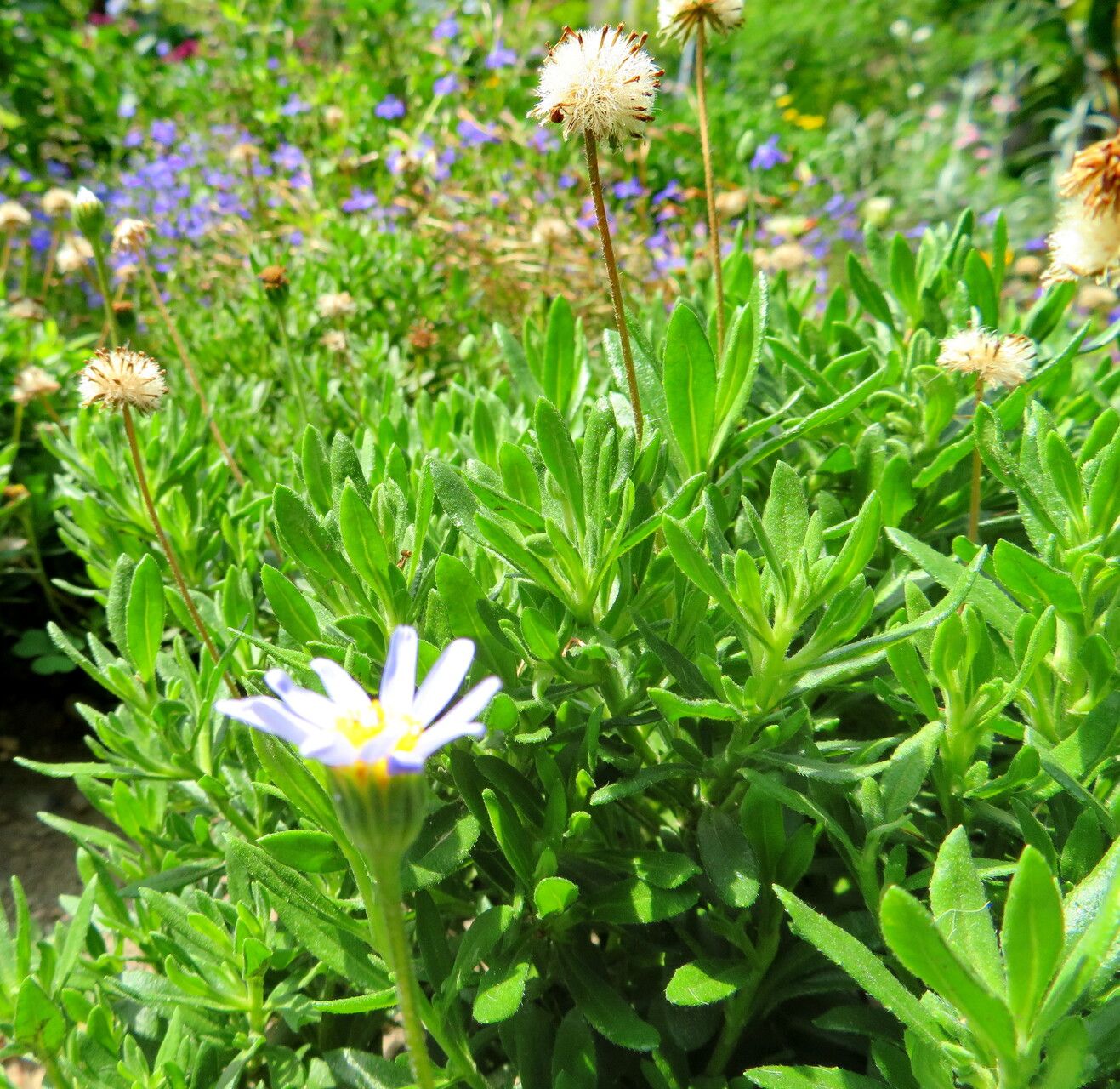
Blue Daisy Blues Be Gone: Multiplying the Joy of Felicia Amelloides
The cheerful, sky-blue blooms of Felicia amelloides, better known as the Blue Daisy or Blue Marguerite, can brighten any garden. But the joy these charming South African natives bring doesn’t have to be fleeting! With a little know-how, you can easily propagate your Felicia and enjoy a cascade of blue blossoms year after year.
Two Routes to Daisy Domination: Seeds vs. Cuttings
Propagating Felicia amelloides is surprisingly simple, offering you two straightforward methods:
1. Sow the Seeds of Success:
- Timing is Key: Start seeds indoors 6-8 weeks before the last expected frost or sow directly outdoors after the danger of frost has passed.
- Sowing Simplicity: Sprinkle seeds on the surface of a well-draining seed-starting mix, pressing them in lightly.
- Light and Warmth: Felicia seeds need light to germinate, so don’t bury them deeply. Maintain a warm temperature (around 70°F) and keep the soil consistently moist.
- Transplant Triumph: Once seedlings develop several sets of true leaves, harden them off gradually before transplanting them outdoors after the last frost.
2. Cuttings for a Cloning Adventure:
- Prime Time for Snipping: Take cuttings in spring or early summer from healthy, non-flowering stems.
- The Right Cut: Choose a stem about 3-4 inches long and make a clean cut just below a leaf node using sharp, sterilized shears.
- Hormone Help (Optional): Dipping the cut end in rooting hormone can increase success rates.
- Planting the Clones: Insert the cuttings into a well-draining potting mix, burying the bottom node.
- Humidity is Key: Cover the pot with a plastic bag to create a humid environment.
- Rooting and Growth: Keep the soil lightly moist. In a few weeks, roots should develop, and new growth will emerge, signaling successful propagation.
Nurturing Your New Blue Daisy Progeny:
Whether you’ve embarked on the seed-sowing route or taken the cutting path, providing the right conditions will ensure your new Felicia plants thrive:
- Sunshine is Their Jam: Choose a bright location with at least 6 hours of sunlight daily.
- Well-Drained Soil is a Must: Ensure the soil drains well to prevent root rot; Felicia amelloides prefers slightly acidic to neutral pH.
- Water Wisely: Water regularly, allowing the soil to dry slightly between waterings. Avoid overwatering!
- Deadheading for Continuous Blooms: Regularly remove faded flowers (deadheading) to encourage continuous blooming and prevent self-seeding, which can be prolific.
- Pinch for Fullness: Pinch back young plants to encourage bushier growth and more abundant flowering.
- Winter Protection: In colder climates, Felicia amelloides is typically treated as an annual. However, you can overwinter it indoors in a sunny location.
Propagating your Felicia amelloides isn’t just a gardening task; it’s an invitation to extend the joy of these vibrant blue blooms. So, go forth, propagate, and let a sea of blue grace your garden for years to come!