
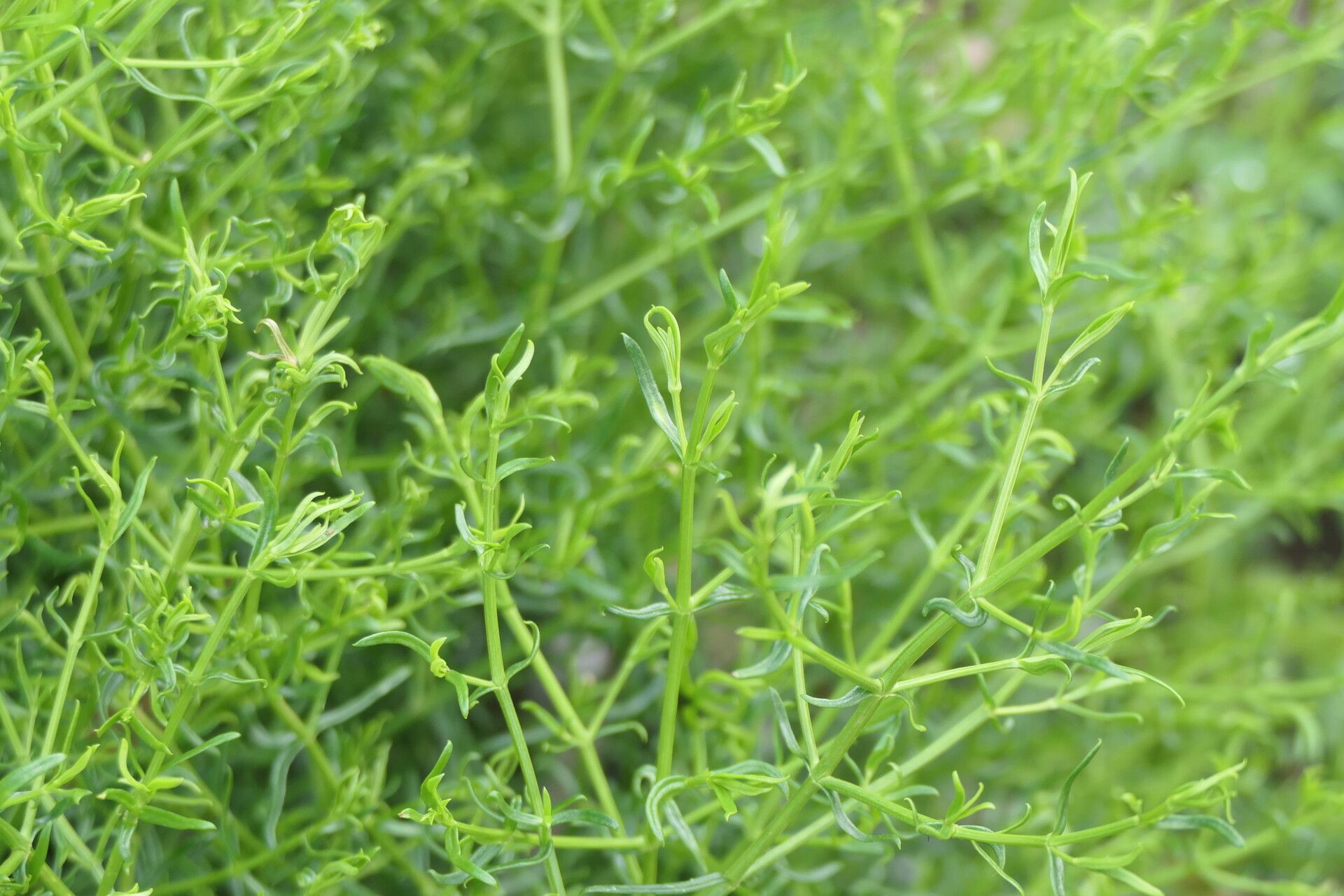
Multiply the Sunshine: A Guide to Propagating Blue Marguerite (Felicia filifolia)
The Blue Marguerite, also known as Felicia filifolia, is a delightful plant cherished for its abundance of charming, daisy-like blooms. Imagine a cascade of sky-blue petals with sunny yellow centers, attracting bees and butterflies to your garden throughout spring and fall. If you’re already smitten with this South African beauty, you’ll be delighted to know that propagating it is easier than you might think.
Let’s explore the two most common methods of multiplying your Blue Marguerite:
1. Seed Starting: Sowing the Seeds of Success
Propagating Blue Marguerite from seed is a rewarding experience, allowing you to witness the plant’s entire life cycle. Here’s how:
- Timing is key: Start seeds indoors 6-8 weeks before the last expected frost in your area. This gives them a head start and ensures robust plants come spring.
- Sowing the seeds: Use a seed starting mix that drains well. Sprinkle seeds on the surface and lightly press them down, ensuring they have good contact with the soil but aren’t buried deeply.
- Moisture and light: Keep the seed tray consistently moist but not waterlogged. Place it in a bright location but out of direct sunlight, which can be too harsh for young seedlings.
- Transplanting: Once the seedlings develop a couple of sets of true leaves and the danger of frost has passed, harden them off gradually by introducing them to outdoor conditions for increasingly longer periods. Then, transplant them into the garden or larger pots.
2. Taking Cuttings: Cloning Your Favorite Blooms
Propagation from cuttings is another effective method, particularly if you want to replicate the exact characteristics of a specific plant. Follow these steps:
- Choose wisely: Select healthy, non-flowering stems for your cuttings. Ideally, take cuttings from new growth in spring or early summer.
- Making the cut: Using a sharp, sterile knife or pruning shears, cut a 3-4 inch stem section just below a leaf node. Remove the lower leaves, leaving only a few at the top.
- Encouraging roots: Dip the cut end in rooting hormone powder (optional but recommended) and place the cuttings in a pot filled with a well-draining potting mix.
- Creating a humid environment: Cover the pot with a plastic bag or use a humidity dome to maintain moisture and promote root development. Place it in a bright location, out of direct sunlight.
- Transplanting: After 4-6 weeks, gently tug on the cuttings. If you feel resistance, roots have formed. Once the cuttings feel established, you can transplant them into individual pots or directly into the garden.
Caring for Your New Propagations
Whether you chose seeds or cuttings, the care requirements for your new Blueguerite plants are the same. Plant them in a location that receives at least six hours of sunlight daily, ensuring well-drained soil. Water regularly, especially during dry periods, and fertilize every 4-6 weeks during the growing season to encourage healthy growth and abundant blooms.
Propagating your Blue Marguerite is a fulfilling way to expand your garden with minimal cost and maximum enjoyment. With a little patience and care, you’ll be rewarded with a symphony of blue blooms for years to come. So, grab your gardening gloves, and let’s get propagating!