
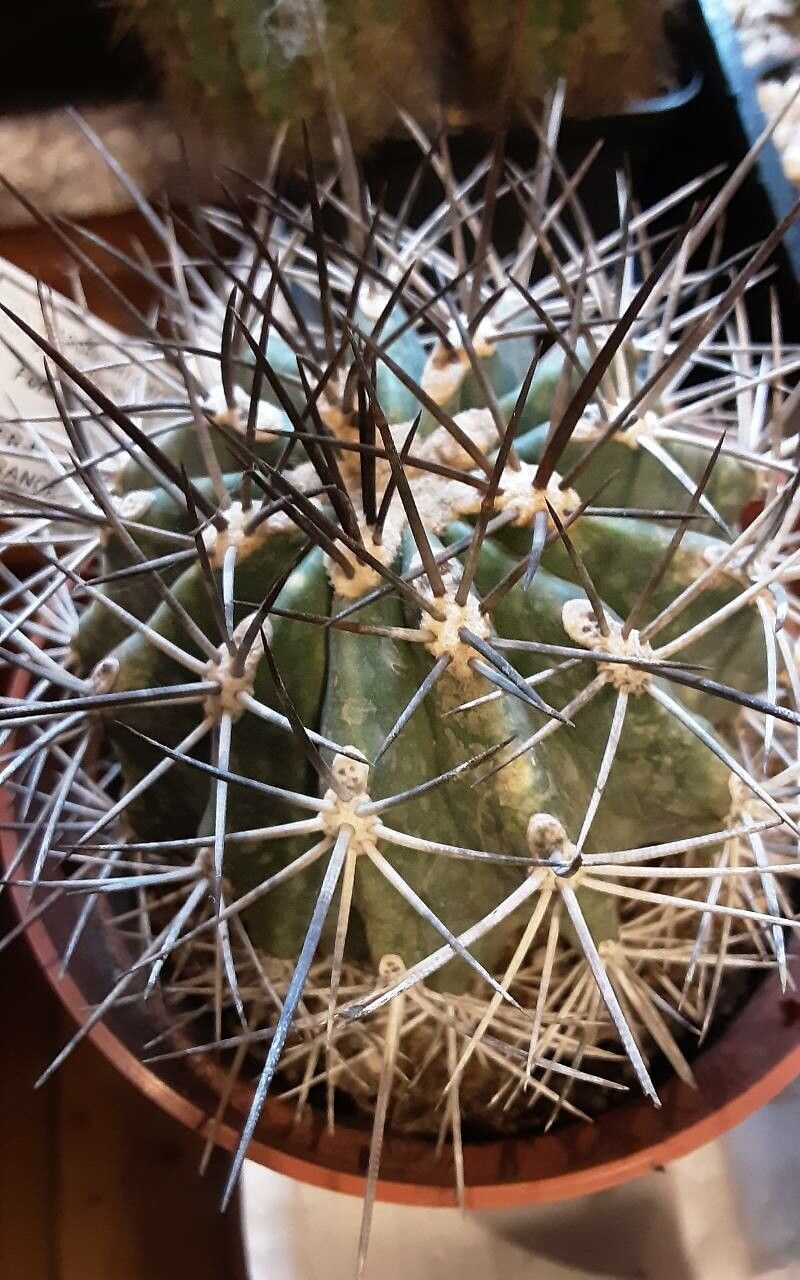
Raising a Spiky Family: Propagating the Majestic Ferocactus lindsayi
The Ferocactus lindsayi, with its striking, reddish spines and imposing barrel shape, is a showstopper in any succulent collection. While caring for this desert dweller is relatively straightforward, many enthusiasts wonder about the best way to propagate these beauties and add more spiky companions to their plant family.
This guide delves into the fascinating world of Ferocactus lindsayi propagation, exploring the two main methods:
1. Seeds: Embracing the Element of Surprise
Propagating from seeds is an adventure. It requires patience but offers the excitement of witnessing a cactus grow from a tiny speck to a majestic specimen.
Here’s how to embark on this journey:
- Source your seeds: Purchase seeds from reputable suppliers to ensure viability.
- Prepare the sowing medium: A mix of cactus potting soil and perlite or pumice (1:1 ratio) promotes good drainage.
- Sow the seeds: Sprinkle seeds on the surface of the moist potting mix, gently pressing them in. Don’t bury them.
- Provide warmth and humidity: Cover the container with a transparent lid or plastic wrap to create a mini-greenhouse effect. Place it in a bright, warm location (around 70-77°F or 21-25°C).
- Patience is key: Germination can be erratic, ranging from a few weeks to several months. Keep the soil lightly moist by misting regularly.
- Thinning out: As seedlings emerge, gradually increase ventilation to acclimatize them. Once they are large enough to handle, carefully prick them out and pot them individually.
2. Offsets (Pups): Separating Clones for a Growing Family
Ferocactus lindsayi occasionally produces offsets, also known as pups, – smaller clones that sprout around the base of the mature plant. Propagating via offsets offers a quicker and slightly easier route to expanding your collection.
Follow these steps for successful offset propagation:
- Wait for the right time: Ideally, pups should be at least one-third the size of the parent plant before separation, having developed some roots of their own.
- Carefully detach the offset: Using a clean, sharp knife or shears, carefully cut the pup away from the parent plant, ensuring a clean separation point.
- Let the wound dry: Allow both the parent and the offset to callus over for a few days to a week in a dry, shaded area.
- Pot the offset: Plant the callused pup in a well-draining cactus mix, burying the base slightly to anchor it.
- Water sparingly: Until the offset roots firmly, water very carefully, allowing the soil to dry out completely between waterings.
Important Considerations for Success:
- Light is essential: Provide your seedlings and offsets with bright, indirect light, gradually increasing exposure as they grow.
- Drainage is crucial: Ensure your potting mix and containers provide excellent drainage to prevent root rot.
- Patience is a virtue: Growing cacti from seeds or pups takes time. Don’t be discouraged if you don’t see immediate results.
Propagating Ferocactus lindsayi, whether from seeds or offsets, is a rewarding endeavor. With patience, the right conditions, and a sprinkle of dedication, you’ll soon have a thriving family of these magnificent cacti to admire for years to come.