
Unlocking the Secrets of Persian Ferula: A Guide to Propagating this Ancient Herb
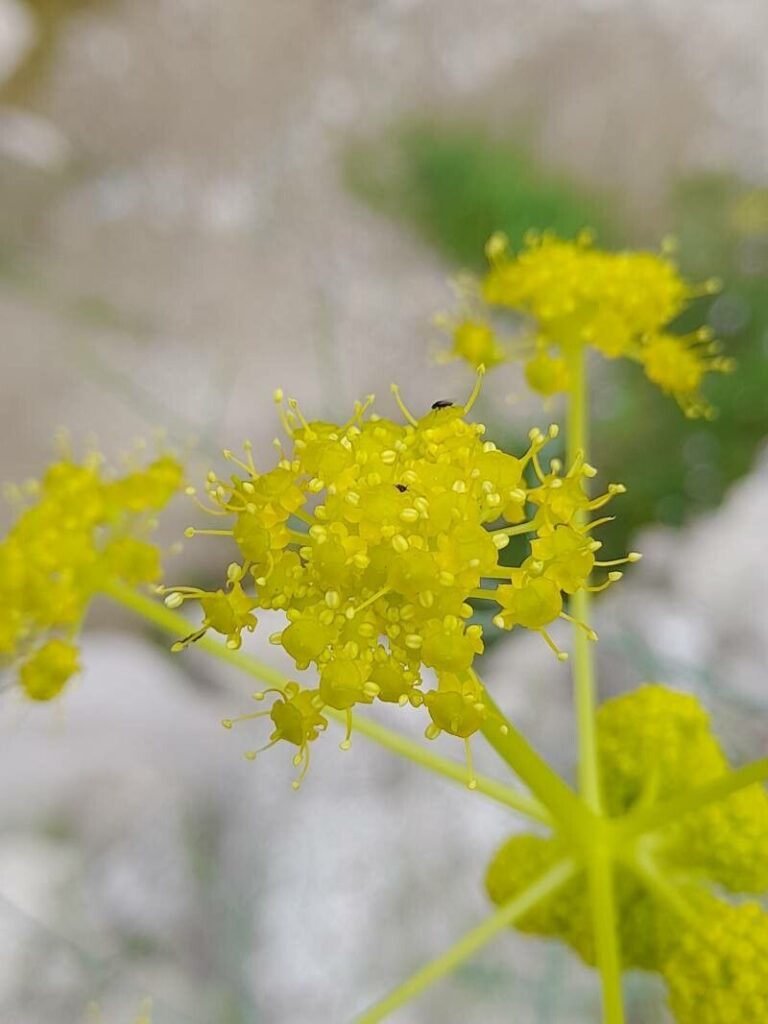
The Persian Ferula (Ferula persica), with its towering stature and distinctive aroma, is a plant steeped in history and folklore. Used for centuries in traditional medicine, this intriguing herb is experiencing a resurgence in popularity amongst gardeners and herbalists alike. But cultivating Persian Ferula can be a rewarding challenge. Let’s unravel the secrets of propagating this ancient beauty and bring a touch of the exotic to your garden.
Two Paths to Propagation: Seeds vs. Divisions
Persian Ferula offers two primary propagation methods:
1. Seed Propagation: This is the most common and arguably most rewarding method. However, patience is key, as Ferula seeds are known for their erratic germination rates and slow growth.
- Sourcing Seeds: Reputable online retailers and specialist nurseries are your best bet. Fresh seeds are ideal, offering higher germination rates.
- Sowing Time: Fall sowing is recommended, mimicking the plant’s natural cycle.
- The Patience Game: Surface sow the seeds in well-draining, sandy soil, and keep them consistently moist. Germination can take anywhere from a few weeks to several months. Be patient and don’t lose hope!
- Stratification for Success: Cold stratification can significantly improve germination rates. Place the seed tray in a refrigerator (around 4°C) for 4-6 weeks before moving it to a warm, bright location.
- Transplanting Time: Once the seedlings are large enough to handle, transplant them into individual pots. Be careful not to disturb the delicate roots.
2. Propagation by Division: Though less common, dividing established plants is an option for experienced gardeners.
- The Right Time: Early spring, just as new growth begins, is ideal for dividing Ferula.
- Careful Excavation: Gently dig up a mature plant, ensuring you minimize root disturbance.
- Dividing the Spoils: Using a sharp, clean knife, divide the plant into sections, ensuring each section has a healthy amount of roots and shoots.
- Replanting: Replant the divisions at the same depth they were previously growing and water them well.
Nurturing Your Ferula: Tips for Success
Whether you choose seeds or divisions, providing the right growing conditions is crucial for success:
- Well-Drained Soil: Ferula persica thrives in well-drained, even rocky or sandy, soil. Heavy, waterlogged soil will lead to root rot.
- Sunlight is Key: Choose a location that receives full sun to partial shade. Ample sunlight is essential for robust growth and flowering.
- Watering Wisely: While Ferula is relatively drought-tolerant once established, consistent watering is essential, especially for young plants. Avoid overwatering, as it can lead to root problems.
- Fertilizing Sparingly: Ferula doesn’t require heavy fertilization. A light application of a balanced fertilizer in spring is sufficient.
Patience Yields Reward: The Joys of Ferula
Propagating Persian Ferula might require a touch of patience and dedication, but the rewards are well worth the effort. The sight of its majestic, flowering umbels gracing your garden, filling the air with their unique aroma, is a true testament to your dedication and a reminder of the enduring allure of this ancient herb.