
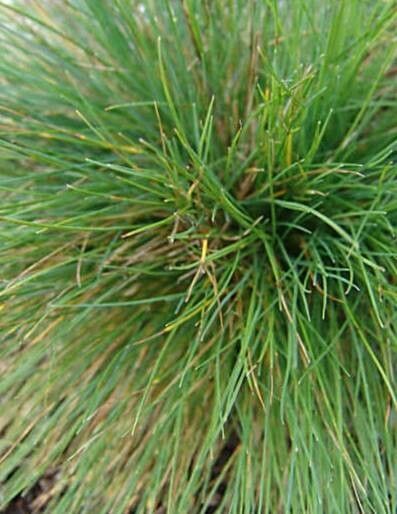
Propagating Alpine Fescue (Festuca alpina): A Gardener’s Challenge and Reward
Introduction:
Festuca alpina, commonly known as Alpine Fescue, is a charming, low-growing, clump-forming grass prized for its fine textured, bluish-green foliage and its adaptability to challenging alpine conditions. Its resilience and attractive appearance make it a popular choice among gardeners specializing in rock gardens, alpine troughs, and other low-maintenance landscapes. While relatively easy to maintain once established, propagating Alpine Fescue presents a unique set of hurdles. Its slow growth and specific environmental needs make successful propagation a satisfying accomplishment for even experienced gardeners.
Seed Germination:
Currently, there are no known reliable methods for seed germination propagation of Festuca alpina. While seeds may be produced, germination rates are exceptionally low, and even under optimal conditions, success is unpredictable. The tiny seeds are often difficult to handle and require very specific conditions that are difficult to replicate consistently.
Cuttings:
Propagating Alpine Fescue from cuttings is also generally unreliable. While some anecdotal evidence suggests limited success with basal cuttings taken in spring, the low success rate and the slow rooting make this method impractical for most gardeners. Challenges include maintaining appropriate humidity and preventing fungal diseases during the lengthy rooting process. The rewards, even with successful rooting, are limited to a small number of plants.
Division:
Division is the most reliable method for propagating Festuca alpina. This involves carefully separating established clumps into smaller sections, each containing healthy roots and shoots. The best time for division is in spring or early autumn.
Challenges: Established clumps of Alpine Fescue can be surprisingly tough to divide, risking damage to the delicate root system. Careful handling is crucial to ensure the survival of the divisions. Furthermore, the slow growth rate means that significant increases in plant numbers are only achieved over several years.
Practical Tips: Use a sharp, clean knife or spade to divide the clump. Ensure each division has a good root system and several healthy shoots. Plant the divisions immediately in well-drained, slightly alkaline soil. Water gently until established.
Rewards: Division offers the most reliable method for expanding existing stocks of Alpine Fescue. It maintains the genetic characteristics of the mother plant, ensuring true-to-type propagation. This method allows for a relatively efficient increase in the number of plants with reasonable success.
Tissue Culture:
Tissue culture offers a potentially viable but complex and specialized method for propagating Festuca alpina. It requires specialized laboratory equipment, sterile conditions, and expertise in plant tissue culture techniques.
Challenges: Establishing a sterile culture and finding the appropriate growth media and hormones can prove difficult and costly. The process is time-consuming and requires considerable expertise.
Practical Tips: This method is best suited for research institutions or experienced tissue culture laboratories.
Rewards: Tissue culture offers the potential for large-scale propagation and the preservation of rare or valuable cultivars. This method could potentially overcome many of the limitations associated with seed and vegetative propagation.
Conclusion:
Propagating Festuca alpina presents numerous challenges. Seed germination is largely unreliable, cuttings offer a low success rate, and even division requires careful technique. Tissue culture, while offering potential, demands specialized knowledge and resources. However, the rewards of successfully cultivating this beautiful alpine grass are significant. The satisfaction derived from overcoming these challenges and nurturing these tenacious plants far outweighs the difficulties involved. For aspiring propagators, starting with division is the most realistic and rewarding approach. Patience and attention to detail are key, remembering that the slow and steady growth of Alpine Fescue is part of its unique charm. The final achievement – a vibrant, healthy clump thriving in your garden – is well worth the effort.