
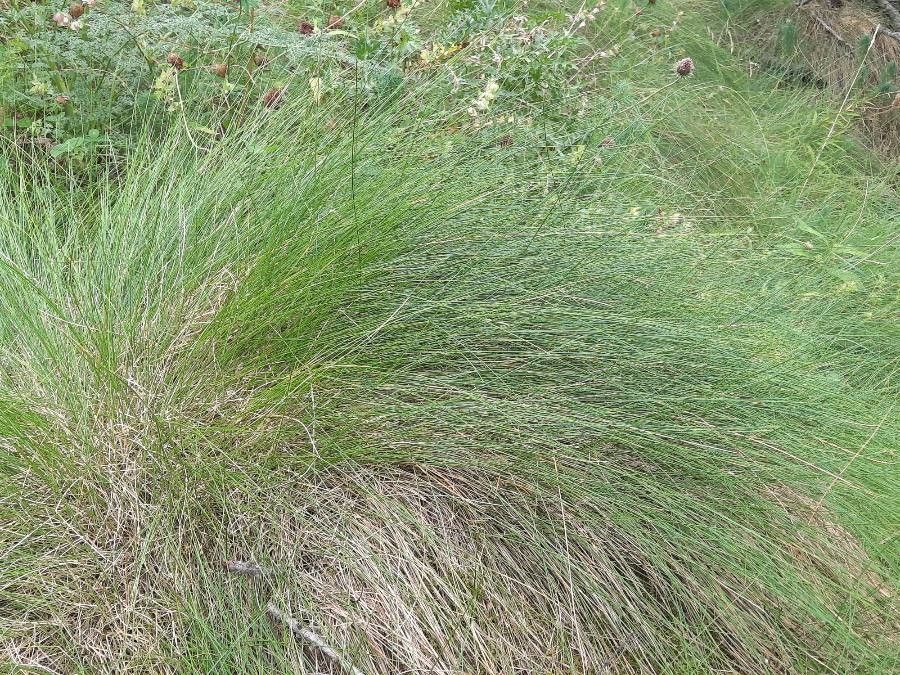
Propagating Festuca flavescens: A Golden Opportunity with Challenges
Festuca flavescens, commonly known as golden fescue, is a charming ornamental grass prized for its fine, bright yellow-green foliage that creates a striking contrast in gardens. Its clumping habit and relatively low maintenance requirements contribute to its popularity among gardeners. However, propagating this beauty presents some unique hurdles. Its relatively slow growth rate makes efficient propagation vital for widespread use.
Seed Germination:
Currently, there are no known reliable methods for seed germination propagation of Festuca flavescens. While the plant does produce seeds, germination rates are exceptionally low, inconsistent, and often fail to produce true-to-type offspring. The challenges likely stem from dormancy mechanisms within the seed itself, making seed propagation an impractical method for most gardeners.
Cuttings:
Propagating Festuca flavescens from cuttings is also generally unreliable. The success rate is very low, primarily because of the difficulty in rooting the stem cuttings. The plant’s physiology doesn’t lend itself well to this method, and the likelihood of rot before root development is high, even with the use of rooting hormones. Therefore, while technically possible, cuttings are not a recommended propagation method.
Division:
Division is the most reliable and widely used propagation method for Festuca flavescens. This involves carefully separating established clumps into smaller portions, each with its own root system and shoots.
-
Challenges: Dividing needs to be done during the plant’s dormant period (late autumn or early spring) to minimize stress and maximize survival chances. Overly forceful division can damage the delicate root system, leading to plant failure. The clumps can be quite tightly bound, requiring a sharp, clean tool to efficiently divide them without harming the individual sections.
-
Practical Tips: Use a sharp, sterilized knife or spade to divide the clump. Ensure each division possesses a healthy portion of roots and several actively growing shoots. Plant the divisions immediately in well-drained, fertile soil mimicking the parent plant’s conditions. Water thoroughly but avoid overwatering to prevent rot.
- Rewards: Division guarantees true-to-type offspring, preserving the desirable characteristics of the parent plant. It’s a relatively straightforward method once the technique is mastered, allowing for expansion of stock with minimal investment.
Tissue Culture:
Tissue culture, while potentially viable, is a highly specialized technique best left to professionals or experienced propagators with access to the necessary sterile equipment and laboratory conditions. This method offers the possibility of mass propagation, but the high initial investment and specialized knowledge represent significant barriers.
-
Challenges: Setting up and maintaining a sterile tissue culture environment requires specialized equipment, training, and consistent monitoring. The process is time-consuming and labor-intensive.
-
Practical Tips: This method is best left to experienced tissue culture practitioners. Success relies on employing sterile techniques, selecting appropriate growth media, and managing environmental conditions with great precision.
- Rewards: Mass propagation of genetically identical plants is possible with tissue culture. This renders it ideal for large-scale commercial production or preservation of rare or valuable cultivars.
Conclusion:
Propagating Festuca flavescens presents unique challenges. While seed and cuttings are largely unsuccessful, division offers a reliable method for home gardeners, albeit demanding patience and careful technique. Tissue culture provides the potential for large-scale multiplication but requires advanced expertise and resources. The rewards of successfully cultivating this elegant grass—a vibrant splash of gold in any garden—certainly make the effort worthwhile. The satisfaction of nurturing a healthy clump from a single division, however, is a testament to the gardener’s skill and devotion, a satisfying reward indeed. Never underestimate the power of patience and careful observation when tackling propagation, and remember that even failed attempts provide valuable learning experiences in your gardening journey.