
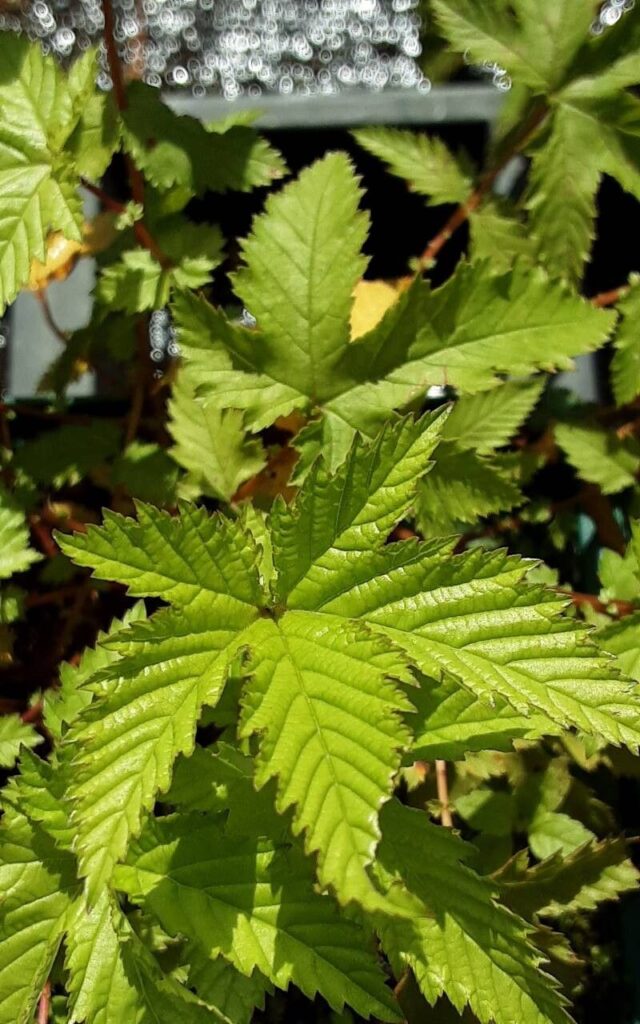
Unveiling the Secrets of Queen-of-the-Prairie Propagation: A Guide to Multiplying Your Filipendula Glaberrima
Queen-of-the-prairie (Filipendula glaberrima) is a spectacular sight in the summer garden, boasting airy plumes of fragrant pink or white flowers atop tall, graceful stems. This native prairie plant is not only a pollinator magnet but also surprisingly easy to propagate, allowing you to expand your floral kingdom with minimal effort. Let’s delve into the fascinating world of Filipendula glaberrima propagation and discover how you can effortlessly multiply your stock.
Understanding the Plant: Before diving into propagation techniques, it’s helpful to understand the growth habit of Filipendula glaberrima. This perennial plant thrives in moist, well-drained soil and prefers full sun to partial shade. It spreads through rhizomes, underground stems that send out roots and new shoots. This natural growth pattern offers a valuable clue to the most effective propagation methods.
Propagation Techniques:
-
Division: This method leverages the plant’s natural spreading ability and is most effective in early spring or fall.
- Steps:
- Carefully dig up a mature clump of Filipendula glaberrima, ensuring you lift a good portion of the rhizome system.
- Gently shake off excess soil and use a sharp, clean knife or garden spade to divide the clump into smaller sections.
- Each division should have a healthy portion of rhizome and several growth points.
- Replant the divisions at the same depth as the parent plant, spacing them 18-24 inches apart.
- Water thoroughly and keep the soil consistently moist until the new plants establish themselves.
- Steps:
- Seed Propagation: While slightly more time-consuming, propagating Filipendula glaberrima from seed offers a rewarding experience and a chance to witness the plant’s life cycle.
- Steps:
- Collect mature seeds from dried flower heads in late summer or early fall.
- Sow the seeds directly into prepared seedbeds in autumn or start them indoors 6-8 weeks before the last frost.
- Sow seeds shallowly, pressing them gently into the soil.
- Keep the soil consistently moist and provide adequate sunlight or grow lights for indoor seedlings.
- Thin out weak seedlings, providing adequate spacing for the strongest to thrive.
- Seedlings will be ready for transplanting outdoors after the last frost when they have developed a robust root system.
- Steps:
Tips for Success:
- Regardless of the method chosen, ensure you are working with clean tools and well-draining soil to prevent diseases.
- Amend heavy clay soil with organic matter to improve drainage and fertility.
- Water regularly, especially during dry periods, as Filipendula glaberrima thrives in moist conditions.
- Deadheading spent flowers will encourage new blooms and prevent self-seeding if you prefer to control the plant’s spread.
Propagating your own Filipendula glaberrima is a fulfilling endeavor that allows you to expand your garden’s beauty while deepening your connection with this captivating plant. Whether you choose to divide established clumps or embark on the journey of seed propagation, the rewards will be plentiful as you witness the emergence of new life and the graceful dance of Queen-of-the-prairie in your garden haven.