
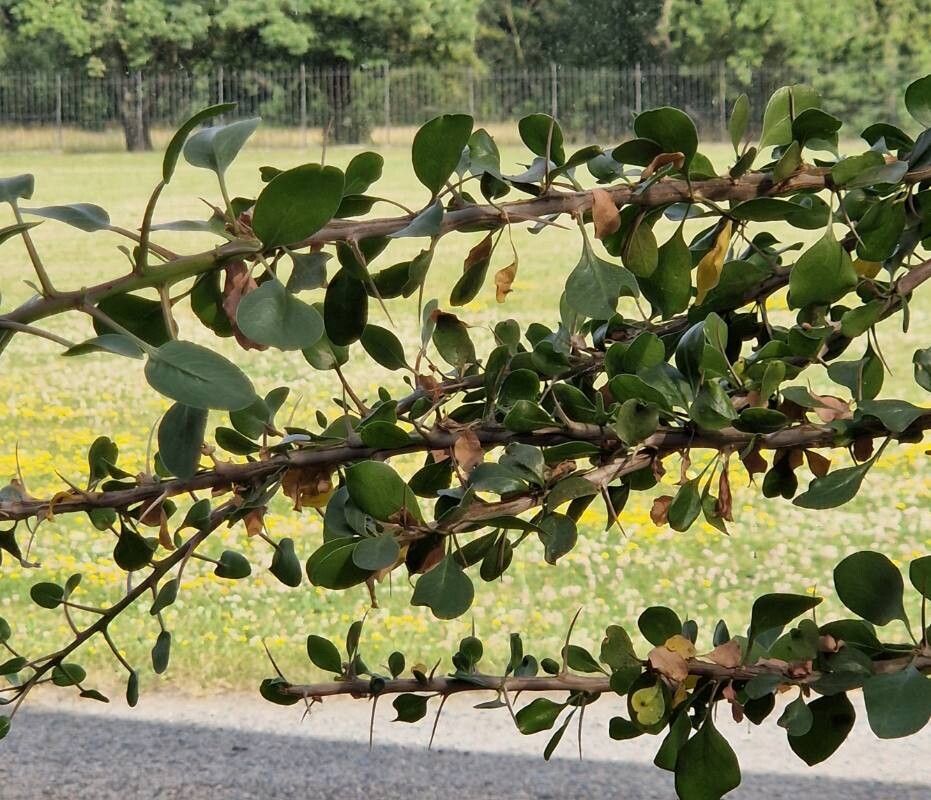
From Tiny Twig to Towering Tree: Propagating the Desert’s “Ocotillo”
The Ocotillo (Fouquieria diguetii) is a striking and unique desert plant known for its spiky, candelabra-like branches and vibrant red blooms. But did you know that you can easily grow your own Ocotillo from cuttings? That’s right, with a bit of patience and the right technique, you can bring the magic of the desert into your own garden.
The Power of Propagation
Propagation is the process of creating new plants from existing ones, and for the Ocotillo, there’s no better method than from stem cuttings. This method allows you to create multiple plants from a single parent, ensuring the new plants are clones of the original.
Getting Started:
Choose Your Cuttings: In spring or early summer, select healthy, mature stems from the base of the Ocotillo. Look for stems that are about 6-8 inches long and have a few nodes (the bumps on the stem where leaves grow).
Preparing the Cuttings: Using clean, sharp pruning shears, make a clean, angled cut just below a node. Remove any leaves from the bottom two inches of the cutting to prevent rot.
Rooting Hormone: Many gardeners recommend using a rooting hormone powder or gel on the cut end to stimulate root growth. However, this isn’t strictly necessary.
- The Planting Process: Prepare a pot with a well-draining potting mix. Insert the cut end of the stem into the soil, leaving the top two-thirds exposed. Water thoroughly and place the pot in a warm, sunny location.
Patience is Key:
Patience is the key ingredient in successfully propagating Ocotillo. While rooting can take anywhere from a few weeks to several months, it’s best to be patient and allow the cuttings to develop their own pace. Keep the soil consistently moist, but avoid overwatering. You can check for root development by gently tugging on the stem after a few weeks. If you feel resistance, it means roots are starting to form.
Planting Your New Ocotillo:
Once your cuttings have successfully rooted, you can transplant them into larger pots or even directly into the ground if you have a suitable climate. Choose a sunny location with well-draining soil. Ocotillo’s are incredibly drought-tolerant, making them ideal for water-wise gardens. Remember to water sparingly after transplanting, allowing the soil to dry out completely between waterings.
The Joy of Growth:
As your Ocotillo grows, enjoy the thrill of watching a desert icon emerge from a small twig. Over time, your Ocotillo will develop its distinctive candelabra form and eventually burst into beautiful blooms, adding a touch of the desert’s magic to your garden.
Beyond the Cuttings:
While cuttings are the most popular method of Ocotillo propagation, there are other options as well. You can also try propagating from seeds. However, acquiring seeds can be a challenge, and germination can be unpredictable.
Conclusion:
Propagating Ocotillo isn’t just an easy way to expand your desert garden, it’s also a rewarding experience that allows you to witness the transformative power of nature firsthand. So, if you’re drawn to the unique charisma of this desert icon, give propagation a try, and enjoy the journey of bringing the Ocotillo into your own landscape.