
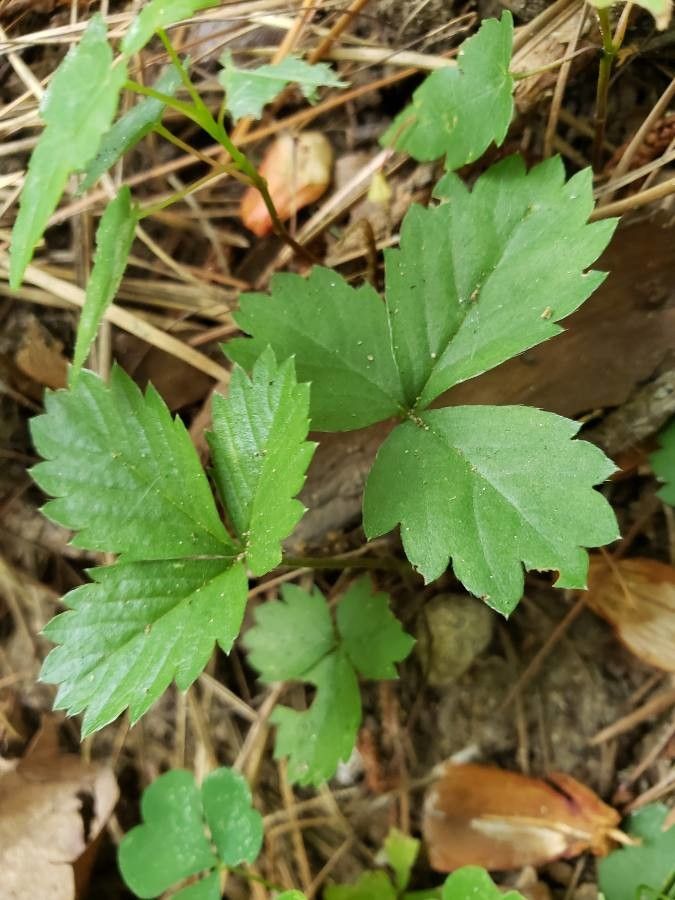
Multiply Your Berries: A Guide to Propagating Wild Strawberries (Fragaria virginiana)
Wild strawberries (Fragaria virginiana) offer more than just a tasty treat – they bring a touch of untamed beauty to any garden. Smaller than their cultivated cousins, their berries pack an intense, concentrated flavor that’s sure to delight. Intrigued? Great! The good news continues because wild strawberries are remarkably easy to propagate. Whether you’re aiming to expand a patch or share the bounty with friends, this guide will equip you with the know-how.
Method 1: Division
The most straightforward method, division, takes advantage of the plant’s natural tendency to spread. Here’s how it works:
- Timing is Key: Early spring, as new growth emerges, is ideal.
- Identify Candidates: Choose healthy, established plants with multiple crowns (the point where the leaves meet the roots).
- Digging In: Carefully loosen the soil around the plant, being mindful of the roots.
- The Big Split: Gently pull apart the crowns, ensuring each division has a good amount of roots attached.
- Replanting: Place your divisions in their new homes, ensuring the crown sits level with the soil surface. Water well.
Method 2: Runners
Ever noticed those slender stems with baby plants at the ends? Those are runners, and they’re fantastic for propagation!
- Let Them Grow: Allow runners to root naturally (you’ll see small roots developing where the baby plant touches the soil).
- Snip and Separate: Once the baby plant, or “daughter plant,” has a good root system, use clean shears to snip the connecting runner.
- Potting Up: You can either pot up your new plant or directly transplant it to its permanent location.
Method 3: Seeds (A Bit More Patience Required)
While a bit more time-consuming, growing wild strawberries from seed offers a sense of satisfaction.
- Seed Saving: Collect ripe berries and gently rub them through a fine mesh sieve to separate the seeds. Allow to dry completely.
- Cold Stratification: Wild strawberry seeds benefit from a period of cold to simulate winter. Mix seeds with damp vermiculite, place in a sealed bag, and store in the refrigerator for 4-6 weeks.
- Sowing Time: In spring, sow seeds in seed-starting mix, barely covering them.
- Patience, Young Padawan: Germination can be slow and sporadic. Keep the soil moist.
- Transplanting Time: Once seedlings have a few sets of true leaves, they can be transplanted outdoors.
Tips for Success:
- Sun and Soil: Wild strawberries thrive in well-drained soil with at least 6 hours of sunlight.
- Watering Wisdom: Keep the soil consistently moist, especially during dry spells.
- Pest Patrol: Be on the lookout for slugs, snails, and birds who might also enjoy your strawberry bounty.
With a little effort and these techniques, you’ll soon have a flourishing patch of these delicious native gems. Happy propagating!