
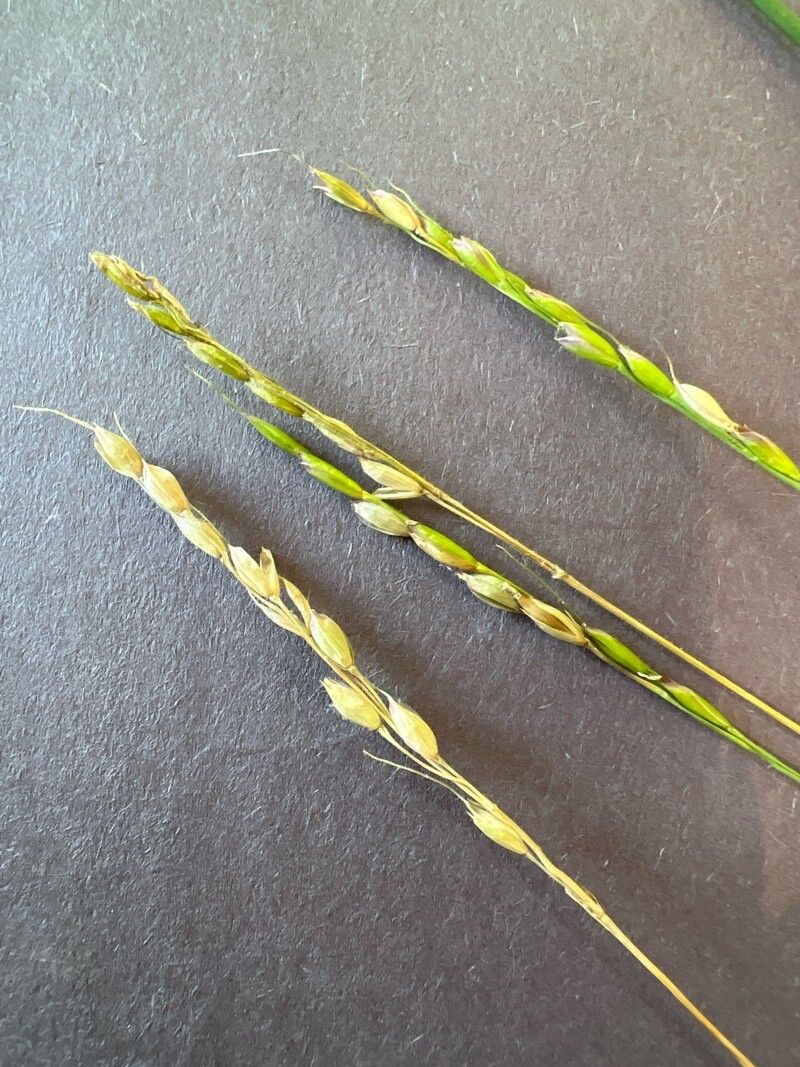
Unlocking the Secrets of Roughleaf Rice Grass: A Guide to Propagation
Roughleaf rice grass (Oryzopsis asperifolia), with its elegant, drooping leaves and understated charm, might not be the flashiest wildflower in the forest, but it holds a quiet beauty that captivates those who appreciate nature’s subtleties. If you’re looking to welcome this delicate native grass into your own woodland garden or restoration project, knowing how to propagate it is key. So, let’s delve into the world of roughleaf rice grass propagation and uncover the secrets to its successful spread.
Two Paths to Propagation: Seeds and Division
Like many plants, roughleaf rice grass offers two main propagation methods: seeds and division.
1. Seeds: A Journey of Patience and Reward
Propagating roughleaf rice grass from seed involves a touch of patience, but it’s a rewarding process that connects you to the plant’s life cycle. Here’s how to do it:
- Timing is Key: Collect seeds in late summer or fall when they are readily shedding from the mature plant.
- Cold Stratification: Nature’s Wake-Up Call: Roughleaf rice grass seeds need a period of cold stratification to break dormancy. Mimic nature by storing the seeds in a moist paper towel inside a sealed plastic bag in your refrigerator (around 40°F) for 6-8 weeks.
- Sowing Time: Sow the stratified seeds in early spring, directly into the ground or in seed trays filled with a well-draining seed starting mix. Press the seeds gently into the soil surface, but don’t bury them deeply.
- Creating the Ideal Environment: Keep the soil consistently moist, but not soggy. Place the seed trays in a bright location, out of direct sunlight. Expect germination within a few weeks, although some seeds might take longer.
2. Division: Sharing the Bounty
For a quicker and more immediate way to increase your roughleaf rice grass stock, division is an excellent option.
- When to Divide: Early spring, just as new growth emerges, is the perfect time for division.
- Digging In: Carefully dig around the base of a mature, healthy clump of roughleaf rice grass, making sure to avoid damaging the roots.
- Divide and Conquer: Gently separate the clump into smaller sections, ensuring each section has a healthy amount of roots and shoots.
- Replanting: Transplant the divisions into prepared areas of your garden with soil similar to their original environment: moist, well-drained, and slightly acidic. Water them in thoroughly and keep the soil consistently moist as they establish themselves.
Creating a Welcoming Habitat
Regardless of your chosen propagation method, replicating roughleaf rice grass’s preferred growing conditions will increase your success rate. This understory species thrives in:
- Partial to Full Shade: dappled sunlight filtering through the canopy of deciduous trees provides the ideal lighting.
- Moist, Well-Drained Soil: think woodland conditions, where organic matter enriches the soil and helps retain moisture.
- Slightly Acidic Soil: amending your soil with peat moss or compost can help achieve the desired pH level.
A Rewarding Endeavor
Propagating roughleaf rice grass might require a touch of patience and understanding of its natural preferences, but the rewards are well worth the effort. You’ll have the satisfaction of witnessing this graceful grass flourish, adding a touch of understated beauty and ecological value to your garden. Each new shoot serves as a testament to your efforts in supporting native plants and fostering biodiversity in your own backyard.