
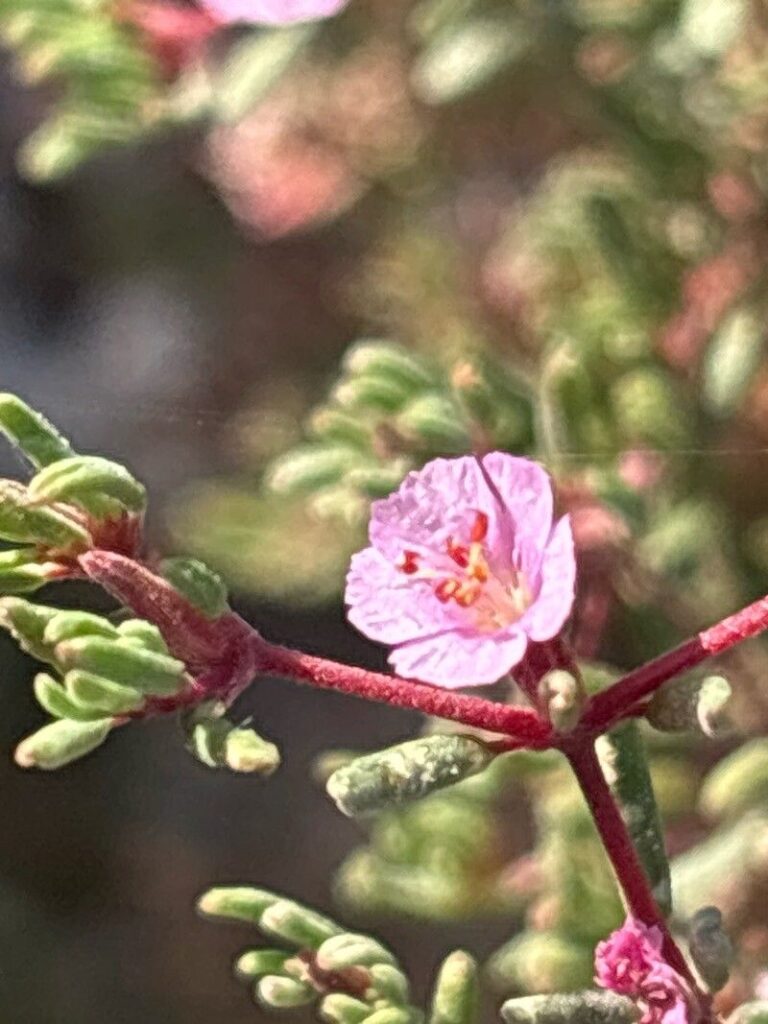
Propagating Frankenia ericifolia: A Journey into the World of Sea Heath
Introduction:
Frankenia ericifolia, commonly known as Sea Heath, is a charming, low-growing shrub boasting delicate, needle-like leaves and captivating, small pink or mauve flowers. Its salt tolerance and adaptability make it a popular choice for coastal gardens and xeriscaping projects. Its dense, mat-forming habit also makes it effective for erosion control. However, while its resilience is admirable, propagating Sea Heath presents unique challenges, making successful propagation a rewarding experience for the dedicated gardener. Its limited availability in nurseries often drives interest in home propagation.
Seed Germination:
Currently, there are no known reliable methods for seed germination propagation of Frankenia ericifolia. While seeds may be produced, their viability is reportedly extremely low, and germination rates are practically nonexistent under typical horticultural conditions. Further research into specific germination requirements, potentially involving pre-treatment or specialized germination media, might be needed before this becomes a viable method.
Cuttings:
Cuttings offer a more reliable method for propagating Frankenia ericifolia.
Challenges: Rooting can be slow and inconsistent. Success hinges on using fresh, healthy cuttings and providing optimal conditions.
Tips: Take semi-hardwood cuttings in late summer or early autumn. Use a sharp knife or shears to make clean cuts, approximately 4-6 inches long. Remove lower leaves to prevent rotting. Dip cuttings in a rooting hormone solution before planting in a well-draining propagation mix (e.g., a blend of perlite and sand). Maintain high humidity using a humidity dome or plastic bag. Regular misting is crucial, but avoid overwatering. Rooting may take several weeks or even months.
Rewards: Cuttings offer a faster way to produce clones of a desirable mother plant, ensuring consistent genetic characteristics. This method is suitable for smaller-scale propagation.
Division:
Division is another feasible propagation method for Frankenia ericifolia, especially for established plants.
Challenges: Care must be taken to avoid damaging the root system, which can be quite fibrous. The plant’s compact growth habit may limit the number of divisions possible from a single plant.
Tips: Divide established plants in spring or autumn, after blooming or before new growth begins. Carefully dig up the plant and gently separate the root ball into smaller sections, each with its own set of roots and shoots. Replant the divisions immediately, ensuring appropriate spacing. Water thoroughly after planting.
Rewards: Division allows for rapid increase in plant numbers, and, as with cuttings, preserves the genetic characteristics of the parent plant.
Tissue Culture:
While not commonly employed by home gardeners, tissue culture presents a potential method for large-scale propagation of Frankenia ericifolia.
Challenges: Tissue culture requires specialized equipment, sterile conditions, and expertise in plant tissue culture techniques. It is usually undertaken by commercial nurseries or research institutions.
Tips: This technique requires a laboratory setting with controlled temperature, humidity, and light. Specialized media and plant growth regulators are typically used to encourage shoot proliferation and root formation.
Rewards: Tissue culture allows for rapid and mass-scale propagation, facilitating the production of numerous genetically identical plants. This is a very efficient means of propagation, but it is also the most complex, requiring specialized knowledge and resources.
Conclusion:
Propagating Frankenia ericifolia presents unique challenges across each method. Seed germination is currently unreliable, while cuttings and division offer more practical, albeit slower, routes to success. Tissue culture offers the potential for large-scale propagation but demands specialized expertise and resources. The rewards – be it the genetic diversity from (hypothetically, future) successful seed propagation or the rapid multiplication of a favorite cultivar via cuttings or division – are well worth the effort. Successfully cultivating Sea Heath, considering the difficulties, provides immense satisfaction, adding a dimension of personal achievement to gardening. For aspiring propagators, patience, careful attention to detail, and a willingness to experiment are vital to achieve success with this resilient, enchanting plant. Don’t be discouraged by initial setbacks; the beauty of your successfully propagated Sea Heath will make the journey worthwhile.