
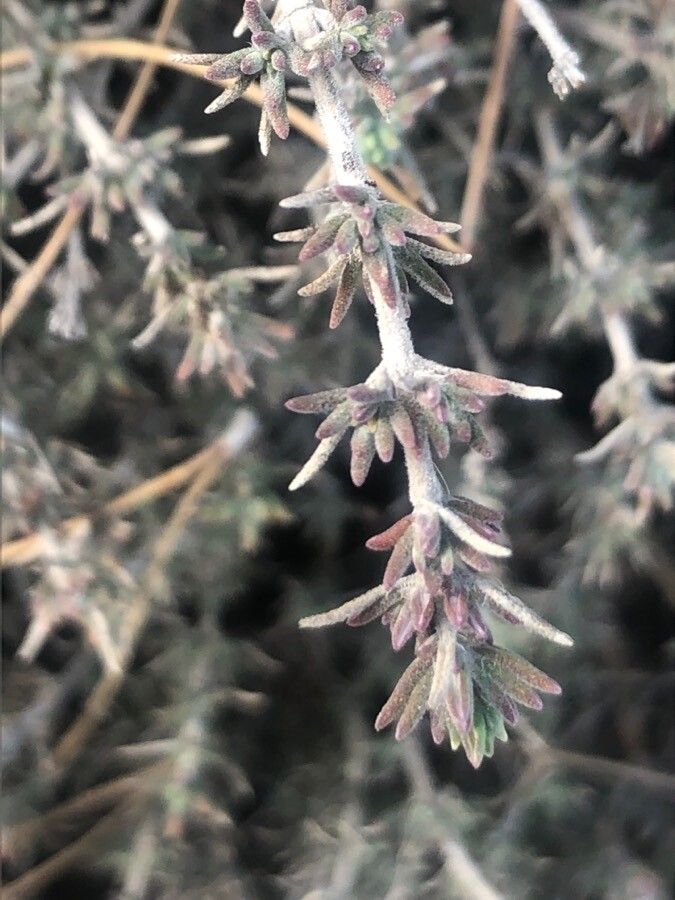
Propagating Frankenia thymifolia: A Gardener’s Challenge and Reward
Frankenia thymifolia, commonly known as sea heath or common sea heath, is a captivating low-growing, spreading shrub treasured for its delicate, needle-like leaves and profuse displays of small, pink-purple flowers. Its tolerance to salt spray and drought makes it a highly sought-after plant for coastal gardens and xeriscaping projects. However, its propagation presents unique challenges, making successful cultivation a rewarding experience for dedicated gardeners.
Seed Germination:
Currently, there are no known reliable methods for seed germination propagation of Frankenia thymifolia. While the plant does produce seeds, their germination rate is extremely low, and consistent success has not been documented in horticultural literature. Further research into optimal germination conditions, including specific stratification requirements or the use of growth hormones, may be warranted.
Cuttings:
Cuttings offer a more promising avenue for propagating Frankenia thymifolia.
Challenges: Rooting can be slow and inconsistent. The success rate is heavily influenced by environmental factors such as humidity and temperature.
Practical Tips: Semi-hardwood cuttings taken in late summer or early autumn generally yield better results. Use a sharp blade to take 4-6 inch cuttings, removing lower leaves to prevent rot. Dip the cut ends in rooting hormone before planting in a well-draining, moist propagation mix (e.g., a mix of perlite and peat moss). High humidity, provided by a cloche or propagator, is crucial. Bottom heat can also enhance rooting.
Rewards: Cuttings provide a faster method of propagation and result in genetically identical plants, preserving desirable characteristics.
Division:
Division is a viable method, particularly for established plants.
Challenges: Frankenia thymifolia can be somewhat fragile; careless division can damage the roots and reduce the chances of survival.
Practical Tips: The best time for division is in spring, just as new growth begins. Carefully dig up the mature plant, gently separating it into smaller sections, ensuring each section possesses a healthy root system and sufficient foliage. Replant immediately, watering well to minimize transplant shock.
Rewards: Division allows for rapid increase in plant numbers and is a relatively simple technique once mastered.
Tissue Culture:
Tissue culture represents a potential, though resource-intensive, method.
Challenges: Establishing a sterile environment and developing the optimal media and hormone combinations for Frankenia thymifolia requires specialized equipment and expertise. This makes it largely unsuitable for home propagation.
Practical Tips: This method would involve employing standard tissue culture techniques, experimenting with various plant growth regulators (auxins and cytokinins) to optimize shoot multiplication and rooting.
Rewards: Tissue culture offers the possibility of large-scale propagation and disease-free plants.
Conclusion:
Propagating Frankenia thymifolia presents challenges across all methods. While seed germination remains unreliable, cuttings and division offer reasonable success rates with careful attention to technique and environmental conditions. Tissue culture is a potential avenue for large-scale production but requires significant resources and expertise. The rewards of successfully cultivating this beautiful and resilient plant, however, far outweigh the difficulties. The unique satisfaction derived from nurturing a cutting into a thriving specimen or successfully dividing a mature plant is a testament to the gardener’s persistence and skill. For aspiring propagators, we encourage patience, experimentation, and a willingness to learn from both successes and failures. The journey, much like the plant itself, is as rewarding as the destination.