
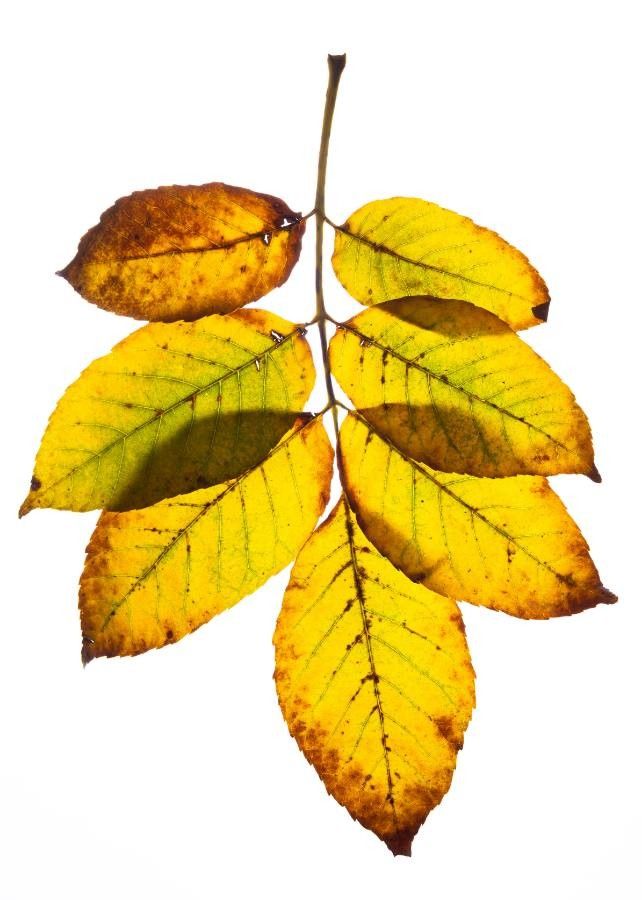
Branching Out: A Guide to Propagating Mexican Ash (Fraxinus berlandieriana)
The Mexican ash (Fraxinus berlandieriana), a resilient and beautiful tree native to North America, is a fantastic addition to gardens and landscapes. Whether you’re drawn to its striking fall foliage or its ability to thrive in tough conditions, learning how to propagate this species can be a rewarding endeavor. This guide will delve into the most effective methods for propagating Mexican ash, providing you with the knowledge to grow new trees from seed or cuttings.
Method 1: Seed Propagation
Growing Mexican ash from seed may require a little more patience, but it’s an incredibly satisfying process. Here’s how to get started:
-
Seed Collection and Preparation: Collect mature seeds from healthy Mexican ash trees in the fall. Look for long, winged seeds (samaras) that have turned brown. To enhance germination rates, cold stratification is recommended. Place the seeds in a moist paper towel within a sealed plastic bag and refrigerate for 60-90 days.
-
Sowing: Sow the stratified seeds in a well-draining seed starting mix, planting them about an inch deep. Keep the soil consistently moist but not waterlogged.
- Germination and Care: Germination can take anywhere from a few weeks to a few months. Once seedlings emerge, provide them with plenty of bright, indirect light. As they grow stronger, gradually introduce them to more direct sunlight.
Method 2: Propagation from Cuttings
Propagating Mexican ash from cuttings offers a faster route to establishing new plants. Here’s a step-by-step guide:
-
Timing is Key: Take cuttings during the late spring or early summer when the tree is actively growing.
-
Selecting and Preparing Cuttings: Choose healthy, semi-hardwood stems that are about 4-6 inches long. Remove the leaves from the lower half of the cutting, leaving 2-3 leaves at the top. Make a fresh cut at the base of the stem, just below a leaf node.
-
Using Rooting Hormone (Optional): While not mandatory, dipping the base of the cutting in a rooting hormone can significantly improve the success rate.
-
Planting the Cuttings: Plant the cuttings in a well-draining potting mix that retains moisture. A mix of peat moss, perlite, and vermiculite works well. Ensure the leaf nodes are buried in the soil.
-
Creating a Humid Environment: Cover the cuttings with a clear plastic bag or a humidity dome to create a greenhouse-like environment. This helps retain moisture and promotes root development.
- Transplanting: After about 4-6 weeks, gently tug on the cuttings to check for root development. Once the roots have formed, carefully transplant the rooted cuttings into individual pots filled with well-draining potting mix.
Caring for Your New Mexican Ash Trees
Regardless of your chosen propagation method, proper care is essential for healthy growth.
- Watering: Keep the soil consistently moist, but avoid overwatering which can lead to root rot. Allow the topsoil to dry slightly between waterings.
- Sunlight: Mexican ash thrives in full sun to partial shade, so choose a location that receives at least 4-6 hours of sunlight daily.
- Soil and Fertilization: They prefer well-drained soil and are relatively low-maintenance when it comes to fertilization. A light application of a balanced fertilizer in the spring is usually sufficient.
With patience and care, you can successfully propagate Mexican ash, expanding your garden’s beauty and enjoying the ecological benefits this resilient tree provides!