
Propagating Freesia corymbosa: A Gardener’s Guide
Introduction:
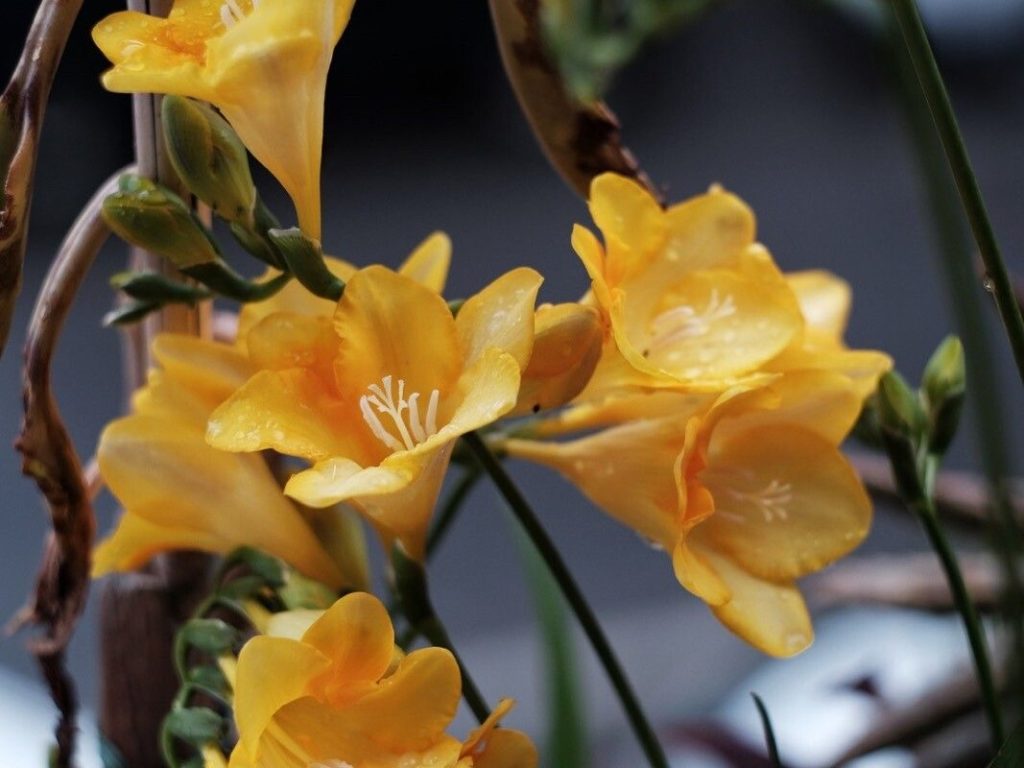
Freesia corymbosa, also known as the Cape Freesia, is a charming member of the Iridaceae family, captivating gardeners with its delicate, fragrant blooms in shades of white, yellow, and pale orange. Native to the Western Cape of South Africa, this species holds significant horticultural value, prized not only for its beauty but also for its contribution to the breeding of hybrid freesias found in commerce. Its relatively compact size and adaptability make it a desirable addition to gardens and containers, but its propagation, while achievable, presents unique challenges. Unlike some of its more commonly cultivated relatives, Freesia corymbosa presents some hurdles in propagation, making successful cultivation all the more rewarding.
Seed Germination:
Currently, there are no known reliable methods for seed germination propagation of Freesia corymbosa. While seeds may be produced, germination rates are extremely low, and seedlings often struggle to thrive. The challenges appear to stem from complex germination requirements not yet fully understood, likely involving specific environmental cues and potentially symbiotic interactions with soil microorganisms in its native habitat.
Cuttings:
Cuttings are not a viable method for propagating Freesia corymbosa. This species does not readily root from stem or leaf cuttings. The lack of adventitious root formation from cuttings is a significant limitation for this propagation method.
Division:
Division is the most reliable and commonly used method for propagating Freesia corymbosa. The plant forms corms, which are underground storage organs, similar to bulbs.
Challenges: Dividing corms must be done carefully to avoid damaging the delicate structures. Each division should ideally include a portion of the rhizome and healthy growth points for successful establishment. If divided too small, divisions might not be vigorous enough to thrive. Overcrowding of corms during growth leads to weaker plants and fewer blooms.
Tips: Division is best carried out during the plant’s dormant period. Inspect corms carefully before dividing, discarding any diseased or damaged ones. Use a sharp, clean knife or tool to prevent the spread of disease. Plant the divisions at the correct depth and spacing for optimal growth.
Rewards: Division produces identical genetic copies of the parent plant, ensuring the continuation of desirable traits. This method allows for relatively quick increase in plant numbers compared to other methods.
Tissue Culture:
Tissue culture presents potential for large-scale propagation of Freesia corymbosa, overcoming the limitations of other methods.
Challenges: Tissue culture requires specialized equipment, a sterile environment, and expertise in plant tissue culture techniques. It can be a costly and time-consuming process, potentially requiring substantial investment in materials and lab space. Developing optimal protocols for Freesia corymbosa may also require some experimentation.
Tips: Using appropriate growth media, hormones and sterile techniques is crucial for success. Selecting healthy, disease-free source material is vital. Maintaining aseptic conditions throughout the process prevents contamination and increases propagation success.
Rewards: Tissue culture allows for the rapid production of large numbers of genetically identical plants, ensuring consistent quality and facilitating mass propagation. It also provides possibilities for disease eradication and genetic improvement.
Conclusion:
Propagating Freesia corymbosa presents several unique challenges, with division proving the most practical approach for the home gardener. Seed germination and cuttings are presently unreliable, while tissue culture offers a high-yield but complex alternative. Nevertheless, the rewarding experience of successfully nurturing these delicate and fragrant plants from divisions or tissue culture surpasses the initial struggles. The sight and scent of their beautiful blooms are a testament to the patience and perseverance of the grower, offering a unique satisfaction earned through overcoming the challenges presented by this remarkable member of the freesia family. Aspiring propagators are encouraged to start with the division method, mastering the technique before exploring the more complex world of tissue culture. With careful attention to detail and a touch of horticultural patience, the captivating beauty of Freesia corymbosa can grace any garden.