
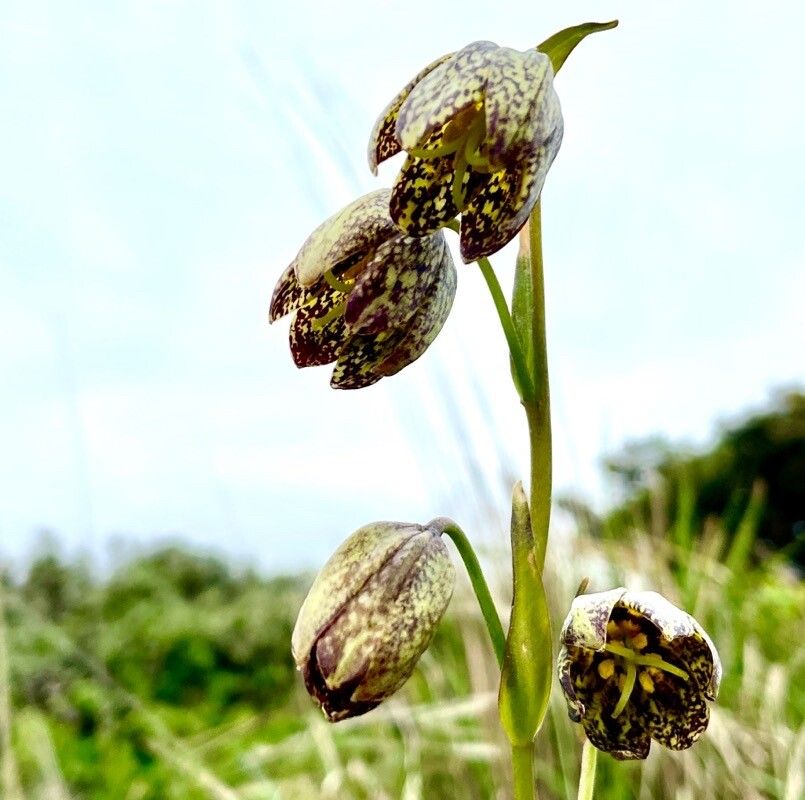
Propagating the Chocolate Lily: Unveiling the Secrets of Fritillaria atropurpurea
Fritillaria atropurpurea, commonly known as the chocolate lily, is a captivating bulbous perennial prized for its dark, reddish-purple to chocolate-brown flowers. Its nodding, bell-shaped blooms, often marked with darker veins, appear in spring, adding a unique and dramatic touch to any garden. This striking beauty, however, presents unique challenges when it comes to propagation. Its relative rarity in cultivation contributes to its mystique and the desire among gardeners to expand their collections.
Seed Germination:
While seed germination is possible for Fritillaria atropurpurea, it’s notoriously challenging and presents several hurdles. Freshly collected seeds are crucial for success, as viability decreases rapidly. The primary challenge lies in the requirement for cold stratification. Seeds need a period of cold, moist conditions to mimic winter dormancy before germination can occur.
Challenges: Low germination rates are common, even with proper stratification.
Practical Tips: Sow seeds immediately after collection in autumn, either directly outdoors in a well-drained, shaded location or in pots filled with a gritty, well-draining mix. Pre-soaking seeds for 24-48 hours before sowing might improve germination rates. Stratification can be achieved by placing the sown seeds in a refrigerator at approximately 3-5°C (37-41°F) for 8-12 weeks before moving them to a warmer, brighter location. Maintain consistent moisture but avoid waterlogged conditions. Patience is key; germination can take several months to a year.
Rewards: Successfully germinated seedlings offer the reward of genetic diversity, resulting in potentially unique variations within the species. Seed propagation allows for large-scale propagation, though the time investment is considerable.
Cuttings:
Currently, there are no known reliable methods for propagation of Fritillaria atropurpurea using cuttings. These plants lack the readily available vegetative structures that lend themselves to successful cutting propagation methods.
Division:
Division offers a more reliable method of propagation for established Fritillaria atropurpurea plants. However, it’s not without challenges.
Challenges: Fritillaria atropurpurea bulbs tend to be relatively small and have limited offsets. Aggressive division can severely stress or even kill the mother plant.
Practical Tips: Division should ideally be done during dormancy (summer), carefully separating the offsets from the parent bulb, ensuring each offset has a portion of root and stem. Plant the divisions immediately in well-drained soil in a suitable location, mimicking the original plant’s conditions.
Rewards: Division provides a faster increase in plant numbers compared to seed propagation, and the resulting plants are genetically identical to the parent.
Tissue Culture:
Tissue culture might offer potential for large-scale propagation of Fritillaria atropurpurea, but this method remains largely unexplored for this species. It requires specialized equipment, sterile techniques, and expertise in plant tissue culture. The challenges associated with initiating cultures and achieving healthy plantlets would require extensive experimentation.
Conclusion:
Propagating Fritillaria atropurpurea presents significant challenges. While seed germination offers genetic diversity but low success rates, division provides a more reliable, though slower, means of increasing plant numbers. Cuttings and tissue culture remain largely unproven options. However, the unique beauty and relative rarity of the chocolate lily make the effort worthwhile. The satisfaction gained from nurturing a tiny seed to maturity, or from successfully dividing a mature plant, is a testament to patience and horticultural skill. For aspiring propagators, starting with division of a mature plant might provide the most immediate success, while experimenting with seed propagation offers a longer-term, albeit challenging, adventure. Remember meticulous attention to detail and unwavering patience will be your greatest allies in this rewarding endeavor.