
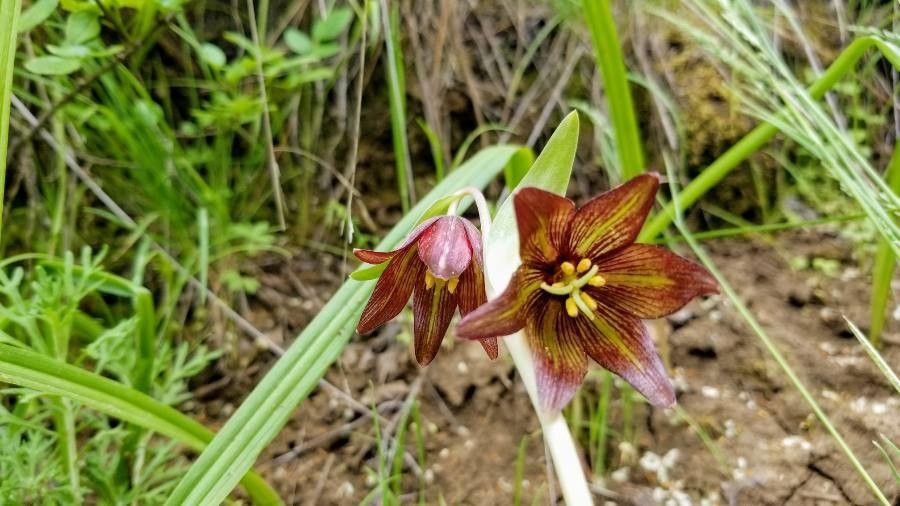
Unlocking the Secrets of Fritillaria biflora: A Guide to Propagation
The Fritillaria biflora, more endearingly known as the chocolate lily or mission bells, is a captivating plant boasting unique, nodding, bell-shaped blooms that range in hue from deep plum to rich chocolate brown. Native to California, these beauties bring a touch of wild charm to gardens across regions with similar climates.
While their beauty is undeniable, many aspiring cultivators shy away from Fritillaria biflora, assuming they are difficult to propagate. But worry not! While these plants need specific conditions to thrive, understanding their propagation methods can unlock a rewarding journey of cultivation.
Two Paths to Propagation:
Fritillaria biflora can be propagated through two primary methods:
-
-
This method requires patience, as it can take several years for seedlings to reach flowering maturity. However, it is a rewarding process, allowing you to witness the plant’s entire life cycle.
- The Process:
- Harvesting Seeds: Collect seeds from ripe seed pods in late spring or early summer. Let them dry completely before storing in a cool, dry place.
- Sowing: Sow seeds in autumn in well-draining soil, lightly covering them with a thin layer of grit.
- Patience is Key: Keep the seed tray outdoors in a shady location, ensuring the soil remains moist but not waterlogged. Germination can be erratic, taking several months or even a full year.
-
-
Bulb Offsets:
-
A quicker method, this involves separating and planting the small bulblets that form around the mother bulb.
- The Process:
- Timing is Everything: Divide the bulbs in late summer or early fall after the foliage has died back.
- Gentle Separation: Carefully dig up the clump and gently separate theoffsets from the mother bulb.
- Planting: Plant the offsets immediately in well-draining soil, about 3-4 inches deep and spaced 6 inches apart.
-
Tips for Success:
- Well-Drained Soil is Crucial: Fritillaria biflora are highly susceptible to rot in waterlogged conditions. Choose a well-draining soil mix and consider adding perlite or sand for improved drainage.
- Mimic their Natural Habitat: These plants thrive in areas that experience dry summers and wet winters. Water them generously during the growing season (fall to late spring), allowing the soil to dry out between waterings. Cease watering completely during summer dormancy.
- Fertilize Sparingly: While not heavy feeders, these plants benefit from a light application of a balanced, slow-release fertilizer in early spring.
- Pest and Disease Control: Keep an eye out for aphids and slugs, and address any infestations promptly.
The Joys of Growing Fritillaria biflora:
While patience and care are required, the rewards of cultivating these unique plants are well worth the effort. Their distinctive blooms, intriguing fragrance, and ability to attract pollinators like bumblebees make them a treasure in any garden. Whether you choose to embark on the journey of seed propagation or opt for the faster route of offset division, the experience of nurturing these beauties from bulb to bloom is truly enriching.