
Unlocking the Secrets of the Himalayan Fritillary: A Guide to Propagating Fritillaria cirrhosa
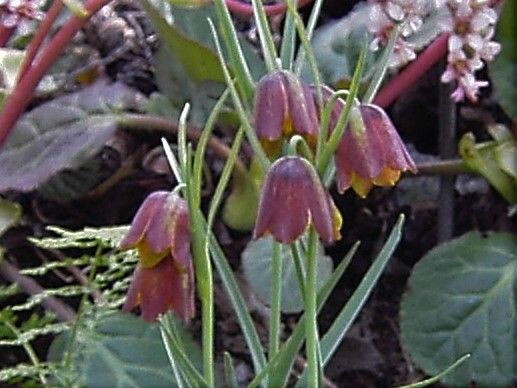
The elusive Fritillaria cirrhosa, also known as the Himalayan fritillary, captivates plant enthusiasts with its delicate, nodding, bell-shaped flowers adorned with intricate patterns. Native to the high altitudes of the Himalayas, this intriguing species presents a unique challenge for propagation. But fear not, intrepid gardeners! This guide unveils the secrets to successfully cultivating these enchanting flowers, bringing a touch of the Himalayas to your own backyard.
Understanding the Fritillaria cirrhosa:
Before embarking on your propagation journey, it’s crucial to understand the nature of this fascinating species. In the wild, Fritillaria cirrhosa grows from small, bulb-like structures known as corms. These underground storage organs hold the key to the plant’s life cycle. Propagation can be achieved through two primary methods: seed and corm offsets.
Method 1: The Patience of Seed Propagation:
Propagating Fritillaria cirrhosa from seed requires a long-term commitment, as these plants can take several years to reach flowering maturity. However, it offers the reward of potentially obtaining unique variations.
- Sowing the Seeds: Sow fresh seeds in the fall, mimicking their natural cycle. Use a well-draining seed compost and lightly cover the seeds.
- Cold Stratification: The secret to successful germination lies in mimicking the cold, mountainous conditions of their native habitat. Place the seed tray in a refrigerator (not freezer!) for at least 8 weeks to simulate winter dormancy.
- Patience is Key: After stratification, move the tray to a cool, shaded location. Be patient! Germination can be erratic and may take several months.
- Transplanting: Once the seedlings are large enough to handle, carefully transplant them to individual pots or a prepared bed.
Method 2: The Efficiency of Corm Offsets:
For a quicker and more reliable approach, propagating through corm offsets is ideal.
- Dividing the Corms: After flowering, carefully dig up the plant and search for small offsets attached to the main corm.
- Separation and Potting: Gently detach these offsets and pot them individually in well-draining soil, ensuring the top of the corm is level with the soil surface.
- Nurturing Growth: Water sparingly and provide bright, indirect light. You should see new growth emerging within a few weeks.
Essential Care Tips for Success:
Regardless of your chosen propagation method, these tips will boost your chances of success:
- Well-Drained Soil: Fritillaria cirrhosa thrives in loose, well-drained soil. Amend heavy clay soils with grit or perlite to prevent waterlogging.
- Light and Shade: Replicate their natural habitat by providing a balance of dappled shade and sunlight.
- Watering Wisdom: These mountain dwellers prefer consistently moist but not soggy soil. Water deeply but infrequently, allowing the soil to dry slightly between waterings.
- Pest and Disease Control: Be vigilant against slugs and snails, which find the young shoots particularly tempting.
Propagating Fritillaria cirrhosa may require patience and care, but the reward of witnessing these exquisite blooms unfurl in your own garden is well worth the effort. With these tips and a dash of green-thumb magic, you can successfully cultivate these Himalayan treasures and enjoy their ethereal beauty for years to come.