
Propagating the Sierra Fritillary: A Gardener’s Guide to Fritillaria pluriflora
Introduction:
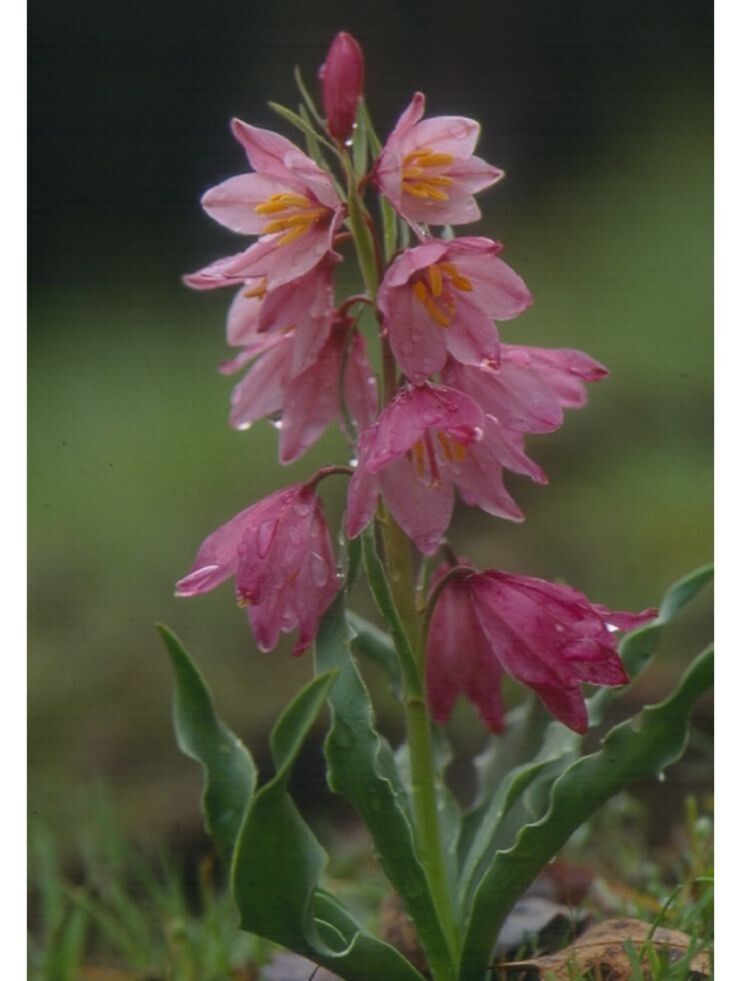
Fritillaria pluriflora, commonly known as the Sierra Fritillary, is a captivating bulbous perennial native to the Sierra Nevada mountains of California. Its nodding, bell-shaped flowers, typically a rich maroon-red but occasionally exhibiting yellowish-green tones, are a prized sight in rock gardens and woodland borders. The elegant, checkered pattern on the petals adds to its unique charm, making it a highly sought-after plant among gardeners. However, its propagation presents a unique set of challenges, making successful cultivation a rewarding experience for the dedicated enthusiast. Its relative rarity in cultivation also contributes to its special appeal.
Seed Germination:
Seed germination for Fritillaria pluriflora is indeed viable, but challenging. The seeds exhibit dormancy, requiring a period of cold stratification to break this dormancy and trigger germination. Successful germination requires patience and attention to detail.
Challenges: Low germination rates are common, and the seedling development can be slow. Fungal diseases can also be a significant problem, particularly in damp conditions.
Practical Tips: Collect seeds as soon as they ripen, and sow them immediately into well-drained seed-starting mix. Stratification is crucial; sow seeds in pots, then place them in a cold frame or refrigerator for 8-12 weeks at temperatures between 33-40°F (0-4°C). After stratification, move the pots to a cooler, well-lit location and maintain consistently moist (but not soggy) conditions.
- Rewards: Germination from seed offers the greatest genetic diversity, allowing the propagation of a wider range of phenotypes. This method also allows for large-scale propagation if sufficient resources and patience are available.
Cuttings:
Currently, there are no known reliable methods for propagating Fritillaria pluriflora from cuttings. The bulb’s structure and growth habit do not lend themselves to this type of propagation.
Division:
Division of Fritillaria pluriflora bulbs can be an effective propagation method, particularly when mature clumps are already established.
Challenges: Dividing the bulbs too early or too late may reduce the chances of successful establishment. Damaging the individual bulbs during division will also decrease success rates.
Practical Tips: The best time to divide is during the plant’s dormant period, usually late summer or early autumn, after the foliage has died back. Gently separate the bulbs ensuring each division has healthy roots and a portion of the stem base. Plant the divisions in well-drained soil, at the same planting depth as the original clump.
- Rewards: Division provides a quicker method of increasing the number of plants compared to seed propagation and offers a high success rate if performed correctly.
Tissue Culture:
While there’s limited published information on tissue culture for Fritillaria pluriflora, this method holds promise for large-scale, controlled propagation.
Challenges: Establishing appropriate tissue culture protocols requires specialized knowledge, equipment, and sterile working conditions. This is not a readily accessible technique for the home gardener.
Practical Tips: This technique should be attempted only with proper training and access to a laboratory setting. Optimal media composition, explant selection and sterilization techniques are crucial.
- Rewards: Tissue culture offers the potential for large-scale propagation and the elimination of disease. It also enables the preservation of specific genotypes.
Conclusion:
Propagating Fritillaria pluriflora presents several challenges, ranging from the relatively low success rate of seed germination to the specialized knowledge required for tissue culture. Division offers a more manageable approach for gardeners with established plants. However, the unique beauty of the Sierra Fritillary and the rewarding feeling of successfully nurturing these plants from seed or division more than compensates for the effort. Remember, patience and a good understanding of the plant’s requirements are key to success. For aspiring propagators, starting with division or carefully following the stratification guidelines for seed offers the most accessible entry points into this rewarding endeavor. The journey, even with its challenges, is a significant part of the enjoyment of growing this beautiful native.