
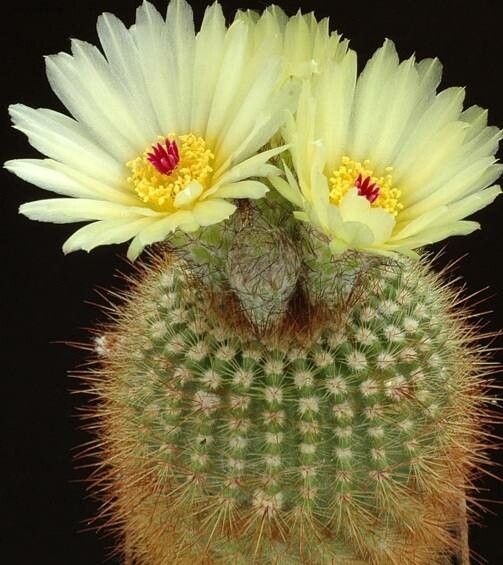
Propagating the Button Cactus (Parodia werdermanniana): A Gardener’s Guide
Introduction:
Parodia werdermanniana, commonly known as the Button Cactus, is a captivating succulent prized for its small, globular form and dense covering of spines. Its vibrant, often golden-yellow spines contrast beautifully with its deep green body, making it a popular choice amongst cactus enthusiasts. Its relatively compact size also makes it well-suited for container gardening and rock gardens. While relatively easy to maintain, propagating Parodia werdermanniana can present unique challenges, demanding patience and attention to detail. This article explores various propagation methods, outlining their feasibility and practical considerations.
Seed Germination:
Seed germination is a viable method for propagating Parodia werdermanniana. However, it presents some challenges. Seeds of Parodia species are often small and require specific conditions for successful germination.
Challenges: The small size of the seeds makes sowing and handling difficult. Maintaining consistent moisture levels without causing fungal growth is crucial. Seed rot is a common problem.
Practical Tips: Sow seeds on the surface of well-draining cactus and succulent potting mix. Avoid burying the seeds deeply. Maintain a consistently warm temperature (around 21-24°C) and high humidity (using a propagator or humidity dome) to promote germination. Gentle misting is preferred over overhead watering to avoid washing away the seeds. Light is important but avoid direct sunlight. Consider pre-treating seeds by scarification (lightly scratching the seed coat) to improve germination rates.
Rewards: Seed-grown cacti offer the greatest genetic diversity, leading to a wider range of variation within the offspring. This method allows for large-scale propagation and is essential for conservation efforts.
Cuttings:
Currently, there are no known reliable methods for propagation of Parodia werdermanniana from cuttings. These cacti typically do not produce easily rootable stem or leaf cuttings.
Division:
Division is a viable method for propagating Parodia werdermanniana, particularly when the mature plant produces offsets (also known as "pups").
Challenges: Carefully separating the offsets without damaging the parent plant or the newly removed offsets is crucial. Improper handling can lead to rot or failure to establish roots. Offsets must be allowed to dry for a few days to allow calluses to form before planting to avoid rot.
Practical Tips: Carefully detach offsets from the main plant using a clean and sharp knife or pruning shears. Allow the cut surfaces to dry for 2-3 days to form a callous. Plant the offsets in well-draining cactus mix and provide a warm, bright location. Avoid overwatering until new growth appears.
Rewards: Division offers a relatively quick and simple way to increase the number of plants, often with high success rates compared to seed germination. The resulting plants will be genetically identical to the mother plant.
Tissue Culture:
Tissue culture is a viable but technically demanding method for propagating Parodia werdermanniana.
Challenges: Tissue culture requires specialized equipment, sterile conditions, and a strong understanding of plant tissue culture techniques. Contamination and failure to establish calluses are major risks.
Practical Tips: This method requires a controlled environment with sterile media and growth regulators. Experienced plant tissue culture practitioners should undertake this method.
Rewards: Tissue culture allows for mass production of genetically identical plants and offers the potential for disease-free stock.
Conclusion:
Propagating Parodia werdermanniana presents distinct challenges depending on the chosen method. Seed germination offers genetic diversity but requires patience and meticulous attention to detail. Division provides a quicker and simpler method but relies on the plant producing offsets. Tissue culture offers the potential for mass production but demands specialized knowledge and equipment.
Successfully propagating this charming button cactus, despite these challenges, is profoundly rewarding. The process fosters a deeper connection with the plant and offers the immense satisfaction of nurturing life from seed, offset, or tissue culture. Whether you choose division, seed germination, or even the more complex tissue culture, remember patience, care, and attention to detail are key to success. Embrace the challenges, learn from any setbacks, and enjoy the unique journey of growing and propagating your Parodia werdermanniana.