
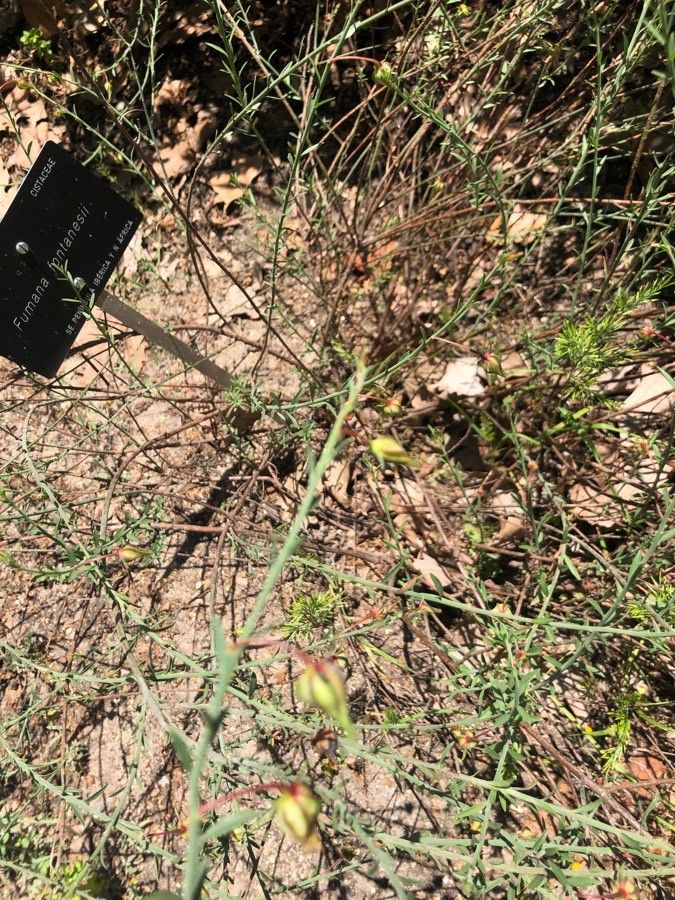
Taming the Mediterranean Sun: Propagating the Hardy Fumana fontanesii
The Mediterranean landscape is known for its sun-drenched hills and hardy, drought-tolerant plants. Among these resilient beauties is the Fumana fontanesii, a low-growing shrub treasured for its bright yellow, saucer-shaped flowers and intriguing, needle-like foliage. While this sun-worshipper might seem like a challenge to propagate, bringing new life to your garden with this charming plant is achievable with a little patience and the right techniques.
Understanding the Fumana Fontanesii:
Before diving into propagation, it’s helpful to understand the plant’s natural inclinations. As a Mediterranean native, Fumana fontanesii thrives in well-drained, sandy or rocky soil and relishes full sun exposure. This hardy survivor prefers dry conditions and is wonderfully low-maintenance once established.
Two Paths to Propagation:
Fumana fontanesii can be propagated through two primary methods:
1. Seed Propagation:
This method requires patience, as Fumana fontanesii seeds exhibit inconsistent germination rates and can take several weeks or even months to sprout. However, the reward of nurturing a plant from its very beginning is truly satisfying.
- Collecting Seeds: Harvest mature seed pods in late summer or early autumn. Look for pods that have turned brown and are beginning to dry out.
- Sowing the Seeds: Sow the seeds in a well-draining seed starting mix, barely covering them with a light sprinkling of soil. Mist the soil gently and keep it consistently moist but not waterlogged.
- Providing the Right Environment: Place the seed tray in a bright location, out of direct sunlight. A temperature range of 65-75°F (18-24°C) is ideal for germination.
- Transplanting Seedlings: Once the seedlings develop a few sets of true leaves and are large enough to handle, they can be carefully transplanted into individual pots or directly into the garden.
2. Semi-Hardwood Cuttings:
This method offers a quicker and often more successful path to propagation, as it utilizes established plant material for faster root development.
- Taking Cuttings: The ideal time for taking cuttings is late summer or early fall. Select healthy, non-flowering shoots for best results. Using a sharp, clean knife or pruning shears, take cuttings that are 3-4 inches long.
- Preparing the Cuttings: Remove the lower leaves from the cuttings, leaving only a few leaves at the top. This encourages root development and minimizes water loss. Dip the cut end of each cutting into rooting hormone powder to enhance root growth.
- Planting the Cuttings: Plant the cuttings in a well-draining propagation mix or a combination of peat moss and perlite. Ensure the cutting is planted deep enough to stand upright.
- Creating a Humid Environment: To promote successful rooting, create a humid environment by covering the pot with a clear plastic bag or using a propagation dome.
- Transplanting Rooted Cuttings: After 4-6 weeks, gently tug on the cuttings to check for root development. Once the roots have developed, carefully transplant the cuttings into individual pots or directly into the garden.
Nurturing Your New Fumana Fontanesii:
Whether you choose seed propagation or cuttings, the key to success lies in providing the right growing conditions. Ensure your Fumana fontanesii receives ample sunlight, well-drained soil, and minimal watering once established. Regular removal of spent flowers can encourage further blooming.
With a little patience and the right techniques, you too can cultivate this captivating Mediterranean beauty in your own backyard, enjoying its sunny disposition and captivating charm for years to come.