
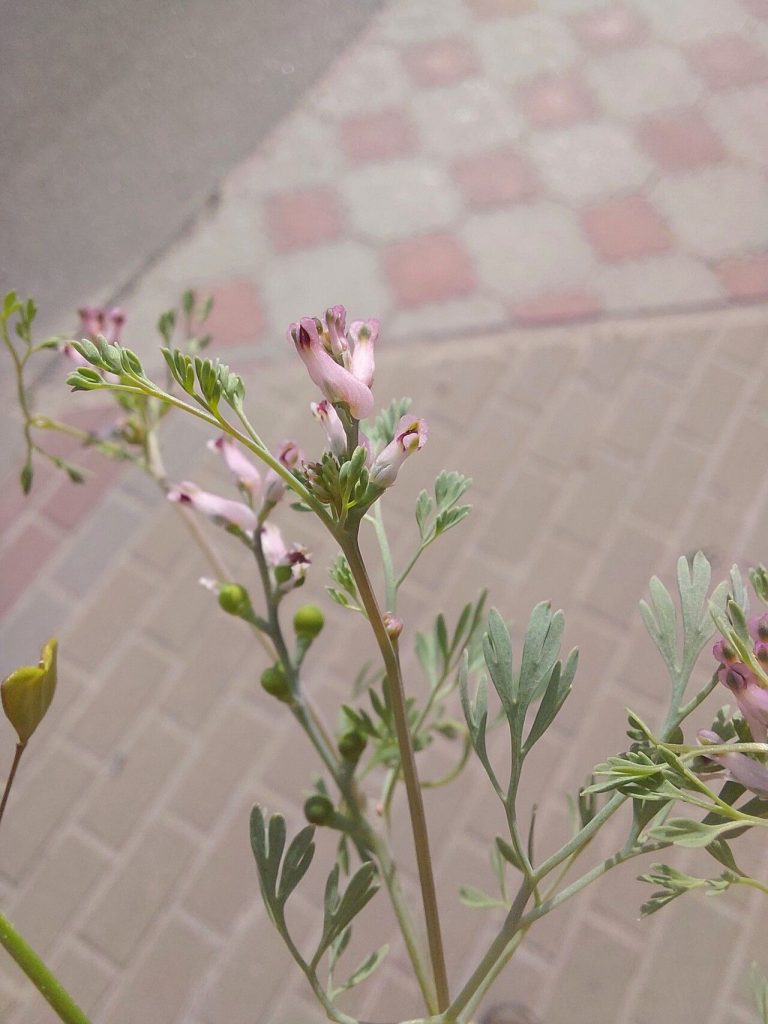
Propagating Fumaria vaillantii: A Gardener’s Challenge
Fumaria vaillantii, commonly known as Vaillant’s fumitory or Common fumitory (though this common name is sometimes applied to other Fumaria species), is a delicate annual flowering plant belonging to the Papaveraceae family. Its finely dissected foliage and delicate, purplish-pink flowers make it a charming addition to rock gardens, borders, or wildflower meadows. While not as widely cultivated as some other flowering plants, its grace and unique appearance have earned it a dedicated following among gardeners who appreciate its subtle beauty and low-maintenance nature. However, propagating Fumaria vaillantii presents some unique challenges.
Seed Germination:
Seed germination for Fumaria vaillantii is a viable but challenging method. The tiny seeds possess a low germination rate, and success often depends on mimicking the natural conditions they experience in the wild. Challenges include the need for consistent moisture without leading to rotting, and the requirement for optimal light and temperature.
Practical Tips: Sow seeds very thinly onto the surface of well-drained, moist seed compost. Avoid burying them deeply, as this hinders germination. A light covering of vermiculite or fine sand can help retain moisture. Gentle watering using a spray bottle is crucial to prevent seeds from being washed away. Stratification (a cold period) may improve germination rates, though this isn’t definitively proven. A period of chilling (4-6 weeks at around 4°C/39°F) before sowing is worth experimenting with. Keep the sowing tray in a brightly lit, warm area (around 18-20°C/64-68°F).
Rewards: Successful seed germination offers the reward of genetic diversity, producing plants with slight variations. This makes it possible to propagate many plants from a single seed harvest facilitating large-scale planting projects, though higher success rates would require larger quantities to be sown, with careful monitoring of germination rates.
Cuttings:
Currently, there are no known reliable methods for propagating Fumaria vaillantii from cuttings. The plant’s delicate nature and physiology seem to hinder the development of roots from stem or leaf cuttings.
Division:
Division as a propagation method is not applicable to Fumaria vaillantii. As an annual plant it completes its life cycle within a single growing season, producing seeds before dying back. Therefore, there is no perennial structure to divide.
Tissue Culture:
Tissue culture, while potentially viable, is a complex and specialized technique requiring sterile laboratory conditions and expertise. While it could potentially overcome challenges associated with other methods, the cost and specialized equipment make it impractical for the average home gardener. It may be a method utilized in research settings but is unlikely to be practiced by amateur propagators.
Conclusion:
Propagating Fumaria vaillantii presents unique challenges across various methods. Seed germination offers potential, but requires patience, attention to detail, and a high tolerance for initial failure. The lack of viable cutting and division methods further limits options. While tissue culture may provide a solution, it’s generally unrealistic for most home gardeners.
The rewards, however, are proportional to the effort. Successfully nurturing these delicate plants from seed, witnessing their emergence from tiny seeds to mature flowering plants is deeply satisfying. The subtle beauty and unique characteristics of Fumaria vaillantii make the challenges worthwhile for those passionate about cultivating less common plants. Don’t be discouraged by initial setbacks. Experimentation and patience are key to mastering the propagation of this charming species. Remember to start with a large number of seeds to compensate for the low germination rate and meticulously observe conditions for optimal results.