
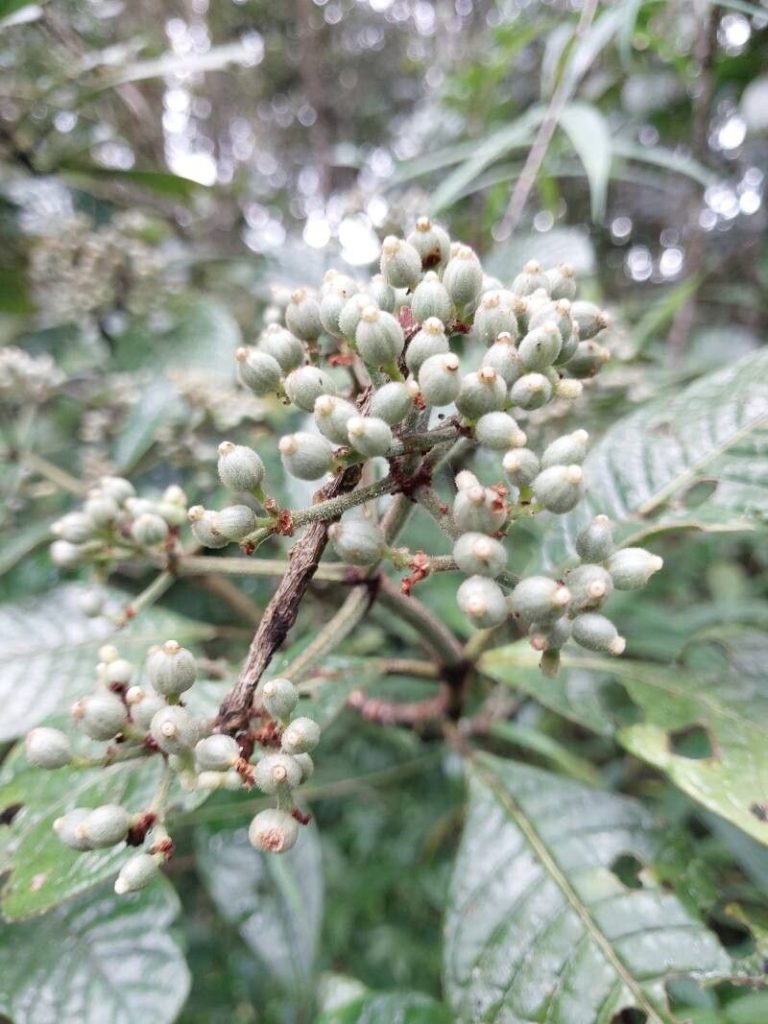
Propagating Gaertnera rubra: A Gardener’s Quest
Gaertnera rubra, also known as the red Gaertnera, is a captivating shrub prized for its lustrous, dark green foliage and vibrant red berries. Its relatively small stature and visually striking characteristics make it a popular choice among gardeners seeking unique additions to their landscapes or container gardens. However, propagating this plant presents some intriguing challenges, making successful cultivation a rewarding endeavor for the dedicated propagator. This article explores various methods for propagating Gaertnera rubra, examining their viability and highlighting their associated rewards and difficulties.
Seed Germination:
Currently, there are no known reliable methods for seed germination propagation of Gaertnera rubra. While the plant produces seeds, their viability and germination rate are reportedly very low, making seed propagation impractical for most home gardeners. Further research is needed to determine if specific pre-treatment techniques (like scarification or stratification) could improve germination success.
Cuttings:
Cuttings offer a more promising avenue for propagating Gaertnera rubra.
-
Challenges: The success rate with cuttings can be variable and depends heavily on factors like the timing of the cuttings (ideally semi-hardwood cuttings in late summer/early autumn), the use of rooting hormone, and the maintenance of consistent humidity and temperature.
-
Practical Tips: Take 4-6 inch cuttings from healthy, non-flowering stems. Remove lower leaves, dip the cut end in rooting hormone, and plant in a well-draining propagation mix (e.g., perlite and peat moss). Maintain high humidity (e.g., using a humidity dome or regularly misting) and a warm temperature (around 70-75°F). Consistent bottom heat can also improve rooting.
- Rewards: Cuttings offer a relatively quick way to produce genetically identical plants, preserving desirable traits of the mother plant. This is particularly beneficial if you have a particularly healthy or attractive specimen.
Division:
Division is not a practical propagation method for Gaertnera rubra. This plant doesn’t readily form the dense root systems or clumping habit necessary for successful division.
Tissue Culture:
Tissue culture offers a potential method for large-scale propagation of Gaertnera rubra, although this is a specialized and resource-intensive technique typically undertaken in laboratory settings.
-
Challenges: Establishing sterile conditions and mastering the precise nutrient and hormone balance required for successful shoot multiplication and rooting are significant challenges. The process requires specialized equipment, aseptic techniques, and often, expertise in plant tissue culture.
-
Practical Tips: This method is best left to experienced tissue culture labs.
- Rewards: Tissue culture permits the rapid production of a large number of genetically identical plants from a small amount of source material. This technique is advantageous for mass production of desirable cultivars or for the preservation of rare or endangered genotypes.
Conclusion:
Propagating Gaertnera rubra presents several challenges. While seed germination is currently unreliable, cuttings offer a viable, albeit somewhat unpredictable, method for the home gardener. Tissue culture is a potential option for large-scale propagation but necessitates specialized knowledge and equipment. The inherent difficulties in propagating this plant only amplify the satisfaction experienced when successful. Mastering the art of propagating Gaertnera rubra, whether through cuttings or tissue culture, is a testament to the gardener’s perseverance and skill, resulting in a beautiful addition to their collection. For aspiring propagators, patience, attention to detail, and a willingness to experiment are key ingredients to success. Don’t be discouraged by initial setbacks; the reward of cultivating this unique shrub is well worth the effort.