
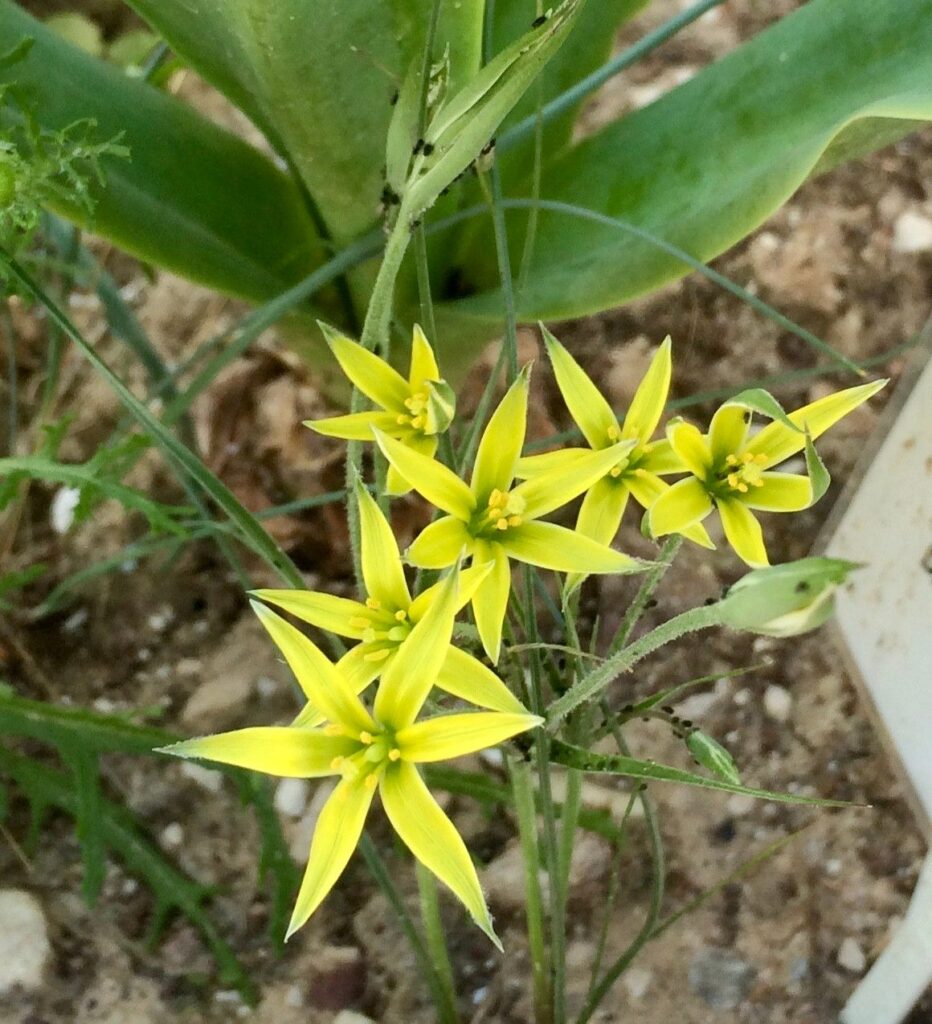
Unleash a Field of Golden Stars: Propagating Gagea fibrosa
A carpet of brilliant yellow stars emerging from the cold, bare earth – that’s the magic of Gagea fibrosa, also known as the “Fibrous Gagea” or the “Yellow Star of Bethlehem.” This charming little bulbous plant provides an early burst of color in spring gardens, bringing joy before most other flowers even think about blooming. But did you know you can easily multiply your own collection of these delightful bulbs?
Easy Peasy: Propagation Methods for Gagea fibrosa
Gagea fibrosa offers two straightforward ways to propagate:
1. Division:
This method is as simple as it sounds. In the fall after the foliage has died back, gently dig up your Gagea clump. With a sharp knife or trowel, carefully separate the bulb cluster into smaller clumps, each with at least a few bulbs attached. Each new clump can then be replanted in a suitable location, ensuring adequate spacing for future growth. It’s important to choose a spot with well-drained soil and plenty of sunlight, mirroring their natural habitat.
2. Seeds:
For a more hands-off approach, propagate Gagea fibrosa from seed. After the flowers fade, pods containing small black seeds form. Harvest these pods when they turn brown and dry. The seeds can be sown directly into the ground in a well-prepared bed, raked lightly into the soil. For better germination rates, consider stratifying the seeds for a few weeks in the refrigerator to mimic winter conditions. Patience is key here, as seedlings may take a year or two to appear.
Tips for Success
- Timing is crucial: Spring is the best time to plant your new Gagea divisions, while autumn is the ideal time for sowing seeds.
- Keep it moist: During the initial stages of growth, make sure to keep the soil consistently moist. Avoid overwatering, as this can lead to rot.
- Provide a sunny spot: Gagea fibrosa thrives in full sun to partial shade, making it an excellent addition to rock gardens, borders, or naturalized areas.
- Avoid disturbance: Once established, Gagea fibrosa is relatively low maintenance. It’s best to avoid disturbing the bulbs, as they’ll multiply naturally over time.
Sharing the Joy
Propagating Gagea fibrosa allows you to not only increase your own collection but also share these delightful plants with others. It’s a wonderful way to introduce these early bloomers to new gardeners or create a dazzling display of springtime beauty in your own garden.
Beyond the Beauty – Ecological Benefits
Gagea fibrosa isn’t just a pretty face; it’s a valuable addition to your garden’s ecosystem. Its flowers attract pollinators like bees and other beneficial insects, contributing to healthy pollination in your garden and beyond. The bulbs also provide food for small mammals and birds, making them an attractive addition to wildlife gardens.
So, why not unleash a field of golden stars? With just a little effort, you can easily cultivate and spread the joy of Gagea fibrosa in your garden and beyond!