
Unlocking the Secrets of Propagation: How to Multiply Your Galatella dahurica
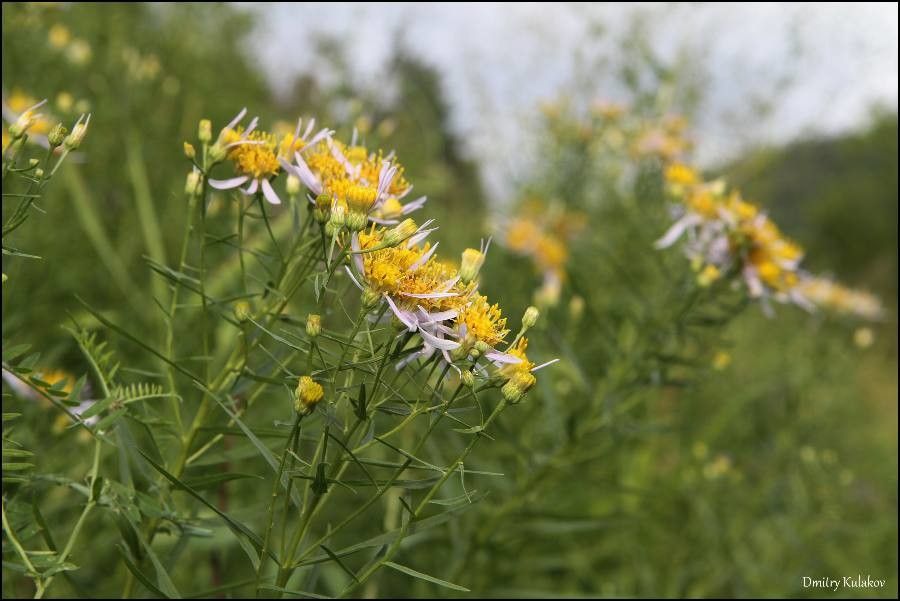
The Galatella dahurica, also known as the Dahurian aster, is a charming perennial with an airy disposition and a captivating late-summer bloom. This Siberian native boasts delicate, daisy-like flowers in a captivating shade of lavender-blue, adding a touch of whimsical beauty to any garden. If you’re like us and can’t resist the allure of this enchanting plant, you’ll be happy to know that propagating Galatella dahurica isn’t as daunting as it might seem. Let’s explore the different techniques that will have you well on your way to a garden brimming with these delightful blooms.
Three Ways to Multiply the Magic
Galatella dahurica can be propagated through three main methods:
1. Division: The most straightforward and often most successful method is division. This involves digging up an established plant and carefully separating it into smaller sections, each with a healthy set of roots and shoots.
- When to Divide: Ideally, divide your Galatella dahurica in spring, just as new growth begins to emerge. This allows the divisions ample time to establish themselves before the onset of winter.
- How to Divide: Carefully dig up the entire clump, ensuring you don’t damage the roots. Use a sharp, clean knife or spade to divide the plant into sections, each with a minimum of 3-4 healthy shoots.
- Post-Division Care: Replant the divisions at the same depth they were originally growing, ensuring good spacing for optimal air circulation. Water thoroughly and apply a light layer of mulch to help retain moisture.
2. Seed Sowing: While slightly more challenging, growing Galatella dahurica from seed is incredibly rewarding.
- When to Sow: Seeds can be sown directly in the garden after the last frost, or started indoors 6-8 weeks before the last frost date for earlier blooms.
- Sowing Indoors: Use a well-draining seed starting mix and keep the soil consistently moist. Place the seed tray in a warm, bright location but out of direct sunlight.
- Sowing Outdoors: Choose a site with well-drained soil and full sun to partial shade. Sow the seeds thinly and cover them lightly with soil. Water gently and keep the soil moist.
- Thinning Out: Once the seedlings emerge and have a few sets of true leaves, thin them out to ensure proper spacing.
3. Basal Cuttings: For a more advanced approach, consider propagating your Galatella dahurica through basal cuttings.
- When to Take Cuttings: The optimal time for taking basal cuttings is in late spring or early summer when the plant is actively growing.
- Taking the Cuttings: Using a clean, sharp knife, take cuttings about 3-4 inches long from the base of the plant. Remove the lower leaves to expose the nodes.
- Planting the Cuttings: Dip the cut ends in rooting hormone and plant them in a pot filled with a well-draining rooting mix.
- Creating Humidity: Cover the pot with a plastic bag or use a humidity dome to create a warm, moist environment for the cuttings.
- Transplanting: Once the cuttings have developed a strong root system, typically in 4-6 weeks, they can be transplanted into individual pots or directly into the garden.
Tips for Success:
- Well-Drained Soil: Galatella dahurica prefers well-drained soil and dislikes being waterlogged.
- Sunlight Requirements: While it can tolerate some shade, this plant thrives in full sun locations, which promote abundant blooms.
- Pinching Back: Pinching back young plants encourages bushier growth and a greater abundance of flowers.
With a bit of patience and these simple techniques, you can readily multiply your Galatella dahurica, creating a captivating display of these charming blooms that dance gracefully in the late summer breeze. Happy propagating!