
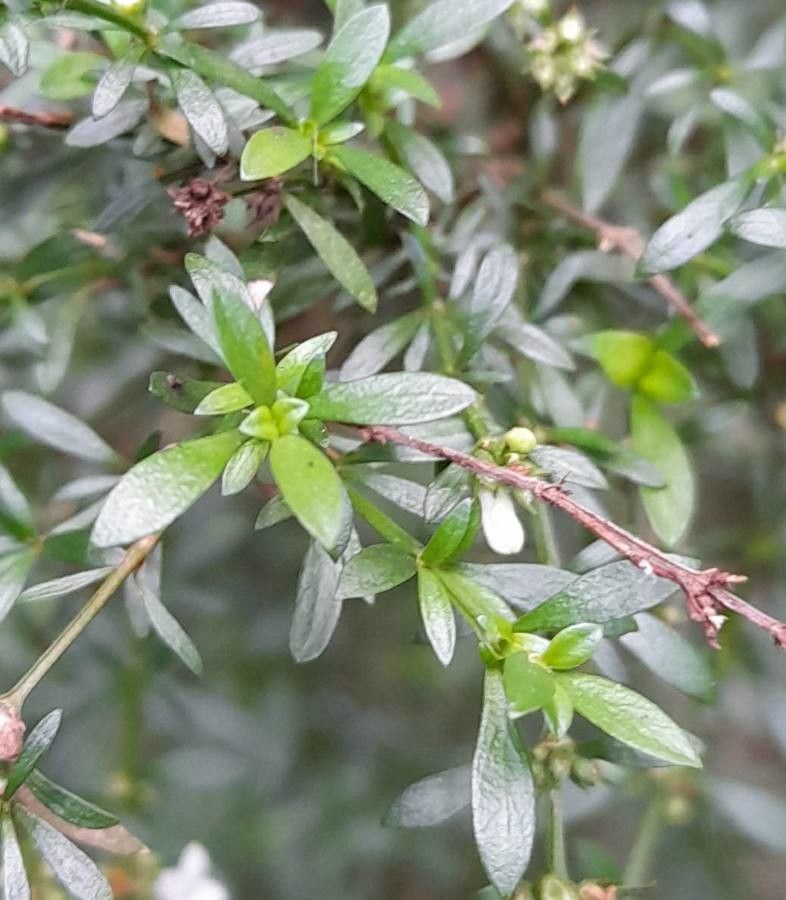
Propagating Galianthe brasiliensis: Unveiling the Mysteries of the Brazilian Button Flower
Galianthe brasiliensis, also known as the Brazilian button flower, is a charming, low-growing perennial boasting an abundance of tiny, star-shaped white or pale pink flowers. Its delicate foliage and profusion of blooms make it a highly desirable addition to terrariums, miniature gardens, and shaded borders. While its captivating beauty makes it a favorite among gardeners, propagating this unique plant presents some intriguing challenges. Understanding these challenges and employing appropriate techniques is crucial for successful cultivation and wider enjoyment of this exquisite species.
Seed Germination:
Currently, there are no known reliable methods for seed germination propagation of Galianthe brasiliensis. While the plant produces seeds, their viability and germination rate appear to be extremely low, possibly due to factors such as seed dormancy mechanisms or specific environmental requirements yet to be fully understood by horticulturalists. Further research is needed to explore potential germination techniques, including pre-sowing treatments like scarification or stratification. The potential reward, however, is significant: successful seed germination offers a pathway to genetic diversity and large-scale propagation for broader distribution.
Cuttings:
Cuttings present a much more promising method for propagating Galianthe brasiliensis.
Challenges: Success with cuttings relies on creating a humid environment to prevent desiccation before rooting occurs. The small size of the plant also means taking cuttings carefully is paramount.
Practical Tips: Take semi-hardwood cuttings in spring or summer. Use a sharp, clean knife or shears to prevent disease transmission. Dip the cuttings in a rooting hormone solution before planting them in a moist, well-draining propagation mix (e.g., a mix of peat moss and perlite). Cover the cuttings with a clear plastic dome or humidity propagator to maintain high humidity. Keep the mix consistently moist but not waterlogged. Rooting may take several weeks to months.
Rewards: Cuttings generally produce genetically identical plants to the parent, ensuring the preservation of desirable traits. This method is relatively reliable and allows for faster propagation compared to other methods, provided the proper technique is used.
Division:
Division is another viable, though somewhat limited, propagation method for Galianthe brasiliensis.
Challenges: Galianthe brasiliensis does not readily form large clumps and doesn’t always respond well to division. The delicate root system can be easily damaged, potentially leading to plant mortality.
Practical Tips: Division is best attempted in spring or early autumn when the plant is actively growing. Gently lift the plant from the pot or from the ground, carefully separating it into smaller sections, ensuring each division has sufficient roots and healthy foliage. Replant them immediately into a suitable growing medium. Handle the plant with care to avoid damage to its roots and stems.
Rewards: Division provides a simple way to increase the number of plants but is limited by the size and growth habit of the parent plant.
Tissue Culture:
Tissue culture offers the potential for large-scale propagation of Galianthe brasiliensis, but this method is technically demanding and requires specialized equipment and expertise.
Challenges: Establishing aseptic conditions is crucial to prevent contamination. Optimizing culture media and hormonal treatments to induce shoot proliferation and root formation may require significant experimentation. Maintaining healthy cultures requires careful monitoring and maintenance.
Practical Tips: This method is best left to experienced tissue culturists with access to the relevant equipment and knowledge.
Rewards: Tissue culture allows for rapid multiplication of genetically identical plants, ensuring consistent quality and allowing for large-scale propagation. This is particularly useful for conservation efforts.
Conclusion:
Propagating Galianthe brasiliensis presents certain challenges, with seed germination currently proving unreliable. However, cuttings and division offer viable alternatives, though they require patience and care. Tissue culture presents a more advanced option for large-scale production. The rewards of successfully propagating this enchanting plant, however, are immense. The satisfaction of nurturing a tiny cutting into a thriving, flowering miniature landscape is a unique and deeply rewarding experience. Don’t be discouraged by the initial hurdles; with perseverance and attention to detail, aspiring propagators can enjoy the beauty and elegance of the Brazilian button flower in abundance.