
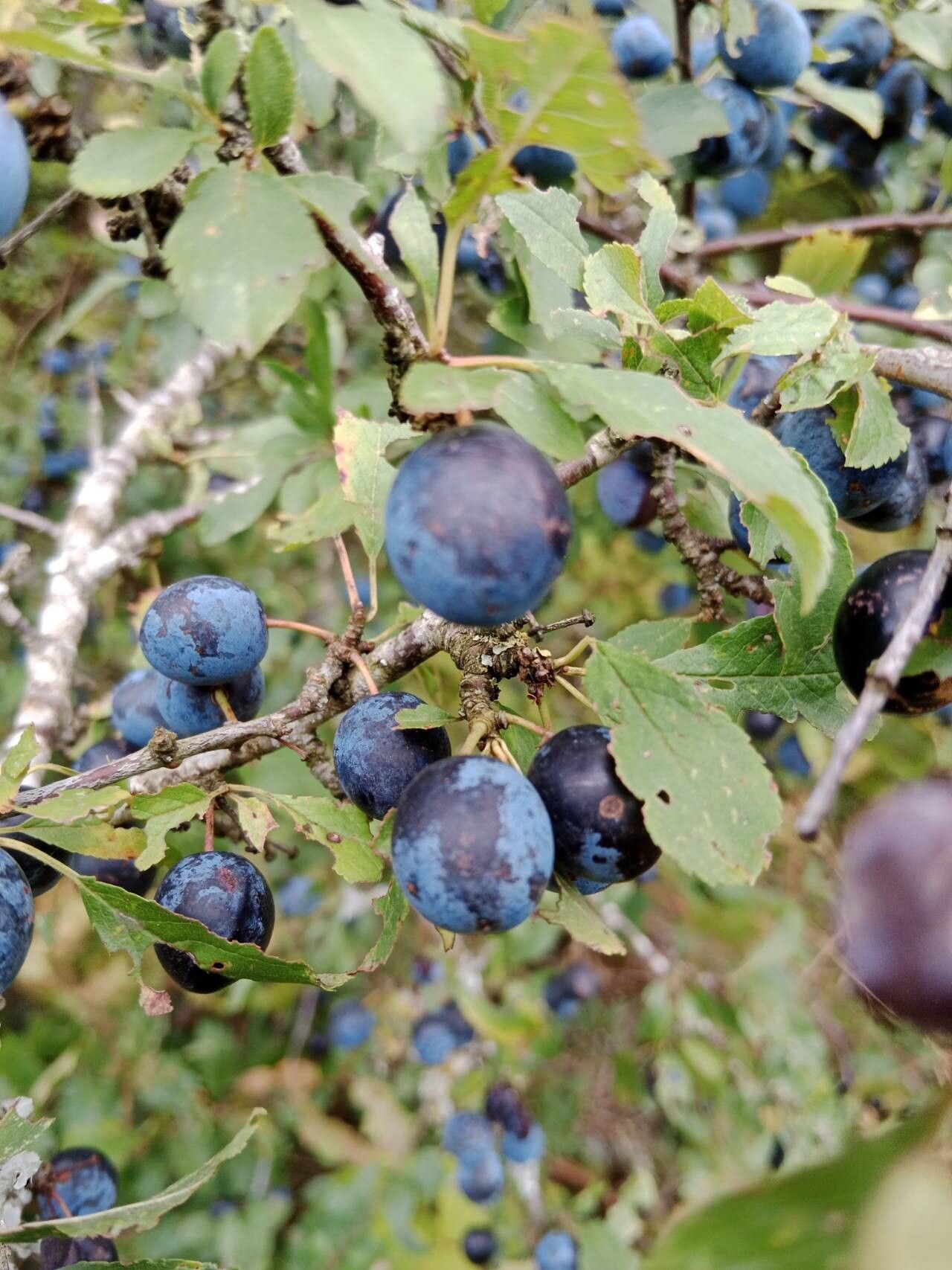
Propagating Prunus × fruticans: A Gardener’s Guide
Prunus × fruticans, commonly known as the plum-leaf cherry or hybrid cherry plum, is a captivating shrub celebrated for its elegant, pendulous branches, attractive foliage, and delicate white blossoms. Its resilience and adaptability have earned it a place in many gardens, both formal and informal. However, propagating this hybrid presents unique challenges and rewards. While renowned for its aesthetic contribution, its propagation is less straightforward than some other Prunus species. The following explores various methods.
Seed Germination:
Currently, there are no known reliable methods for seed germination propagation of Prunus × fruticans. The hybrid nature of the plant, resulting from a cross between different Prunus species, often leads to inconsistent germination rates and offspring that may not accurately reflect the parent plant’s desirable traits. Seed dormancy and other genetic factors likely contribute to this difficulty.
Cuttings:
Cuttings offer a more reliable method for propagating Prunus × fruticans. However, success requires attention to detail.
Challenges: Root development can be slow and susceptible to fungal infections. The timing of cutting collection is crucial; taking semi-hardwood cuttings in late summer or early autumn generally yields the best results.
Practical Tips: Use a sharp, clean knife or shears to take cuttings approximately 4-6 inches long, with several leaves. Remove lower leaves to prevent rotting. Dip the cut ends in rooting hormone to stimulate root growth. Plant cuttings in a well-draining propagation mix, such as a blend of peat moss and perlite. Maintain high humidity (e.g., using a humidity dome or plastic bag) and consistent moisture, without overwatering. A bottom-heat propagation mat can significantly improve rooting success.
Rewards: Cuttings guarantee the propagation of plants genetically identical to the parent plant, preserving its desirable characteristics. This method is also relatively straightforward for small-scale propagation by home gardeners.
Division:
Division is a viable propagation method for Prunus × fruticans, particularly for established, multi-stemmed shrubs.
Challenges: Larger plants can be difficult to divide, requiring strong tools and potentially causing damage to the root system. Improper division can also weaken the plants, making them more susceptible to diseases.
Practical Tips: The best time to divide is during dormancy (late winter or early spring). Carefully dig up the entire plant, and then separate the root ball into smaller sections, ensuring each section has sufficient roots and stems. Replant the divisions promptly, providing adequate watering and care to encourage successful establishment.
Rewards: Division is a quick method for increasing the number of plants and is particularly well-suited to larger specimens. It avoids the more complex techniques of cuttings or tissue culture.
Tissue Culture:
While potentially effective, tissue culture propagation of Prunus × fruticans is typically reserved for large-scale commercial nurseries due to its expense and technical demands.
Challenges: Establishment of aseptic conditions is paramount. Finding the optimal hormonal balance in the culture medium is crucial for shoot multiplication and root development. This process requires specialized equipment, media, and training.
Practical Tips: Sterilization of both the plant material and the lab environment is essential to prevent contamination. Using established protocols from related Prunus species may provide a starting point but careful experimentation will likely be required for optimal results.
Rewards: Tissue culture allows for the rapid and large-scale multiplication of genetically identical plants, making it ideal for mass production of superior cultivars.
Conclusion:
Propagating Prunus × fruticans presents a mixture of challenges and rewards. While seed germination remains unreliable, cuttings and division provide viable options for home gardeners, with cuttings offering the most reliable approach to maintaining the parent plant’s characteristics. Tissue culture is a powerful but specialized method requiring significant investment and expertise. The unique satisfaction of cultivating this beautiful shrub stems largely from the successful navigation of these challenges; the delicate blooms and graceful form are ample recompense for the effort invested. For aspiring propagators, patience, attention to detail, and a willingness to learn from both successes and failures are key to achieving your goals.