
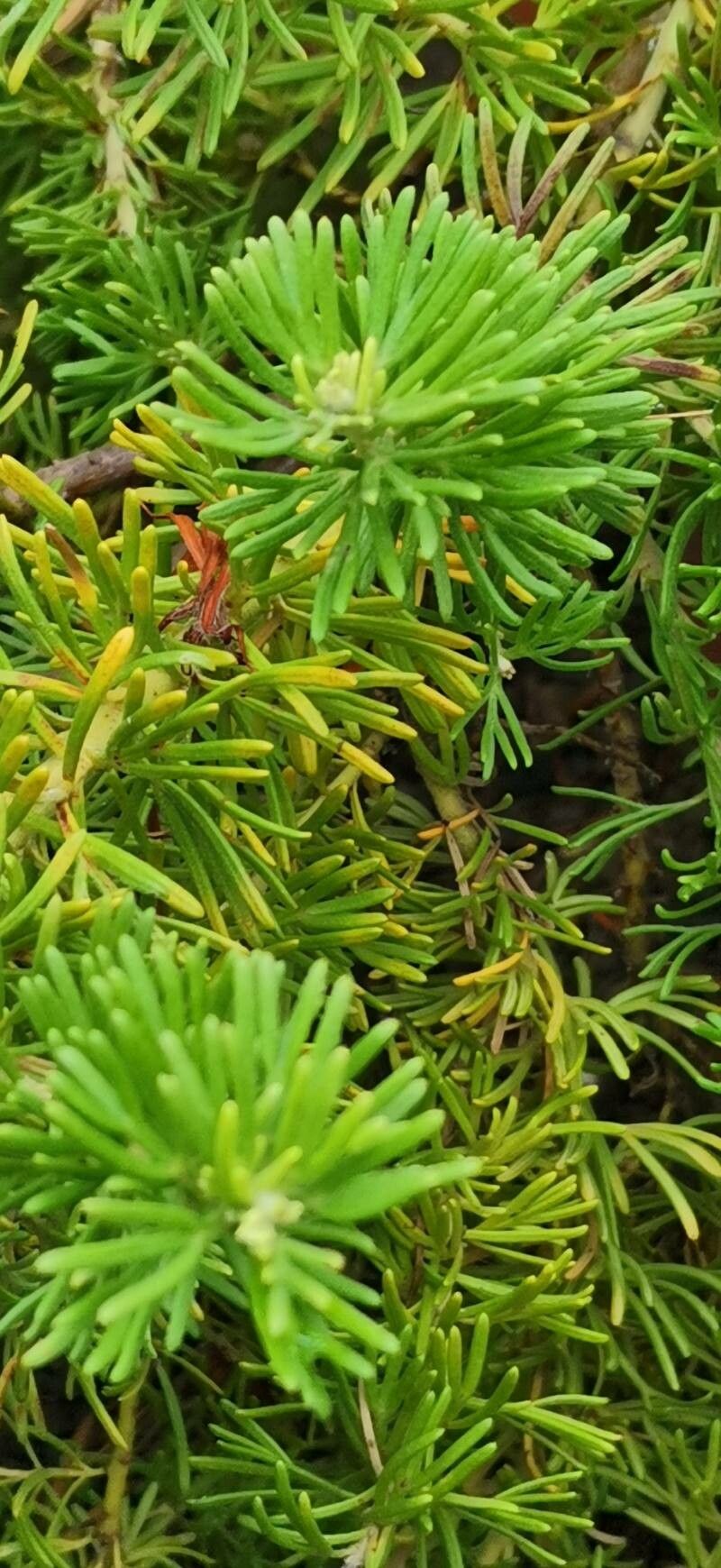
Propagating the Prickly Grevillea: A Guide to Growing Grevillea cirsiifolia
Introduction:
Grevillea cirsiifolia, commonly known as the Prickly Grevillea or Thistle-leaved Grevillea, is a striking Australian native shrub prized for its vibrant, spider-like flowers and distinctive, prickly foliage. Its architectural form and tolerance of dry conditions make it a popular choice among gardeners, particularly in climates with well-drained soils and sunny exposures. However, propagating this beauty can present unique challenges, requiring patience and specific techniques. While its striking appearance makes it desirable, its propagation isn’t always straightforward.
Seed Germination:
Currently, there are no known reliable methods for seed germination propagation of Grevillea cirsiifolia. While seeds might be produced, their viability is often low, and successful germination rates are extremely challenging to achieve, even with pre-treatment techniques. This is likely due to factors such as seed dormancy mechanisms and the specific requirements for successful germination that haven’t been fully elucidated.
Cuttings:
Cuttings offer a more reliable method for propagating Grevillea cirsiifolia.
Challenges: Success with cuttings relies on selecting healthy, actively growing shoots. The semi-woody nature of the stems can make rooting a somewhat slow process. Also, fungal diseases can be a significant hurdle if hygiene isn’t rigorously maintained.
Practical Tips: Take semi-hardwood cuttings (partially mature growth) in late spring or early summer. Use a sharp, sterile blade to take 8-10cm cuttings, removing lower leaves to prevent rotting. Dip the cut ends in a rooting hormone powder before planting in a well-draining propagation mix (e.g., a mix of perlite and vermiculite). Maintain a consistently moist (but not soggy) environment, preferably under a humidity dome or misting system. Rooting can take several weeks to months.
Rewards: Cuttings offer a faster route to a mature plant than other methods. It ensures the propagation of desirable traits from the parent plant, unlike seed propagation where genetic variability might lead to less desirable offspring.
Division:
Division is generally not a practical method for propagating Grevillea cirsiifolia. This shrub doesn’t readily produce suckers or readily separate into distinct divisions from the main plant. Attempts at forcible division are likely to damage the plant and reduce its chances of survival.
Tissue Culture:
Tissue culture could potentially be used for the propagation of Grevillea cirsiifolia, offering the potential for large-scale production and disease-free plants. However, developing a successful protocol would require expertise and specialized laboratory equipment.
Challenges: Establishing a reliable tissue culture protocol for Grevillea cirsiifolia is a time-consuming and potentially expensive undertaking. It requires specialized knowledge of plant tissue culture techniques, specific media formulations, and sterile conditions to prevent contamination by fungi or bacteria.
Practical Tips: This technique is best left to specialists with experience in plant tissue culture.
Rewards: Tissue culture enables the rapid multiplication of desirable plants, ensuring consistent quality and disease-free propagation on a large scale.
Conclusion:
Propagating Grevillea cirsiifolia presents unique challenges, with cuttings offering the most reliable method for the average gardener. Seed propagation is currently unreliable, division is impractical, and tissue culture demands significant expertise and resources. While the rewards – the satisfaction of nurturing a vibrant, prickly Grevillea from a cutting – are significant, the process demands patience, attention to detail, and a willingness to learn from potential setbacks. Don’t be discouraged by initial difficulties; with diligent care and the right techniques, even the most challenging propagation projects can yield rewarding results. Embrace the journey, celebrate small victories, and enjoy the unique beauty of your successfully cultivated Grevillea cirsiifolia.