
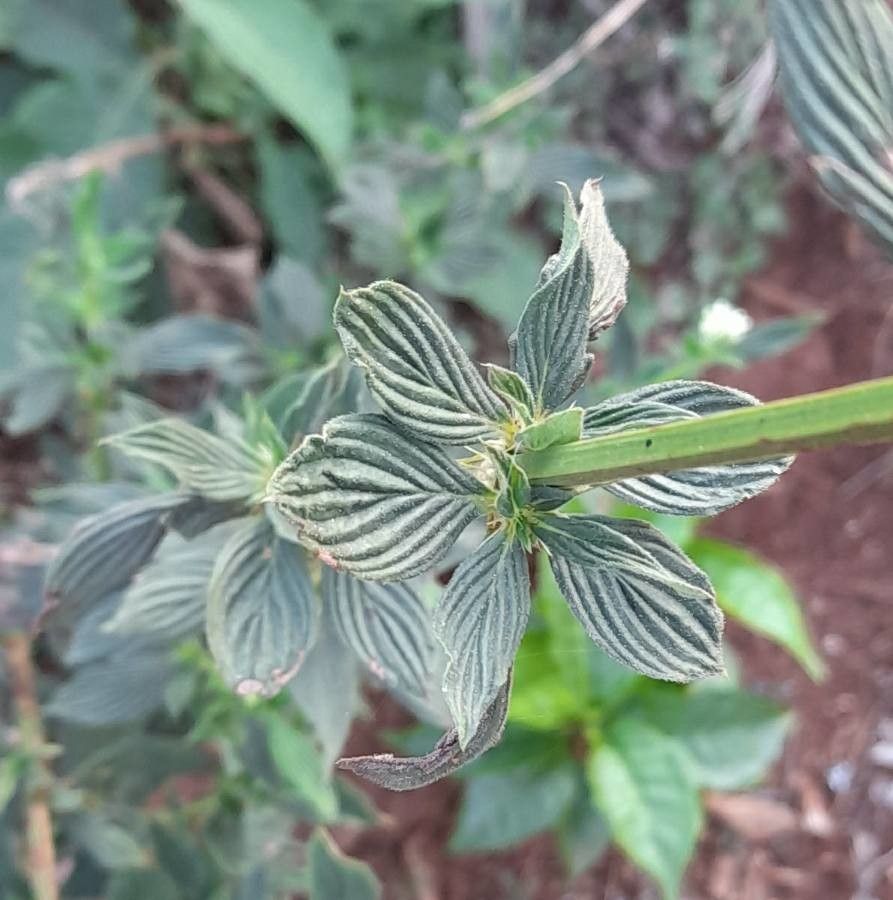
Unveiling the Secrets of Fluffy Brazilian Button Flower Propagation: A Guide to Success
The Galianthe eupatorioides, better known by its charming moniker “Brazilian Button Flower,” is gaining popularity for its unique, button-like blooms and fluffy appearance. Native to South America, this captivating plant adds a touch of whimsy and elegance to gardens and homes alike. Whether you’re a seasoned gardener or a curious beginner, learning to propagate Galianthe eupatorioides is a rewarding endeavor that allows you to expand your plant family and share its beauty.
This comprehensive guide will delve into the different propagation methods, providing you with the knowledge and confidence to multiply your Brazilian Button Flower collection.
Methods of Propagation:
1. Seeds:
While not as common due to seed availability, growing Galianthe eupatorioides from seeds can be a fulfilling experience.
- Source: Look for reputable online seed retailers or check with specialty nurseries specializing in exotic plants.
- Sowing: Sow seeds in a well-draining seed-starting mix, barely covering them with soil. Keep the soil consistently moist and provide warmth (around 70-75°F) using a heat mat if necessary.
- Germination: Be patient, as germination can take several weeks. Once seedlings emerge and have a few sets of true leaves, they can be carefully transplanted into individual pots.
2. Cuttings:
Stem cuttings are the most popular and efficient method for propagating Brazilian Button Flowers.
- Timing: Spring and early summer, when the plant is actively growing, offers the highest success rates for cuttings.
- Taking Cuttings: Choose healthy, non-flowering stems and make a clean cut just below a leaf node. The cutting should be around 3-4 inches long. Remove the lower leaves, leaving only a couple at the top.
- Rooting Hormone (Optional): Dipping the cut end in rooting hormone can encourage faster and stronger root development, though it’s not always necessary.
- Planting: Insert the cuttings into a well-draining potting mix, ensuring the leaf nodes are buried. Water thoroughly and cover the pot with a plastic bag or humidity dome to create a humid environment.
- Root Development: Roots typically take 2-4 weeks to develop. Once new growth emerges, it indicates successful rooting. At this point, you can gradually acclimate the cutting to normal humidity by removing the covering for increasingly longer periods.
3. Division:
Mature, healthy Brazilian Button Flowers can be divided into multiple plants, making it an excellent method for propagation and rejuvenation.
- Timing: Spring is the ideal time to divide plants when they are actively growing.
- Process: Carefully dig up the plant and gently tease apart the root ball into smaller sections, ensuring each section has sufficient roots and shoots.
- Replanting: Pot the divisions into individual pots with fresh, well-draining soil. Water thoroughly and provide dappled sunlight until they are established.
Tips for Success:
- Light: Provide bright, indirect light for all propagation methods. Avoid direct sunlight, which can scorch young plants and cuttings.
- Water: Maintain consistently moist but not waterlogged soil. Overwatering can lead to root rot.
- Humidity: Galianthe eupatorioides thrive in humidity. Misting regularly or placing a humidity tray near the plants can be beneficial.
- Fertilizer: Once established, fertilize your plants every 4-6 weeks during the growing season with a balanced, water-soluble fertilizer.
By following these propagation techniques and providing optimal care, you’ll be well on your way to cultivating a flourishing collection of delightful Brazilian Button Flowers. The joy of watching new plants thrive from seeds, cuttings, or divisions is a truly rewarding experience for any plant enthusiast.