
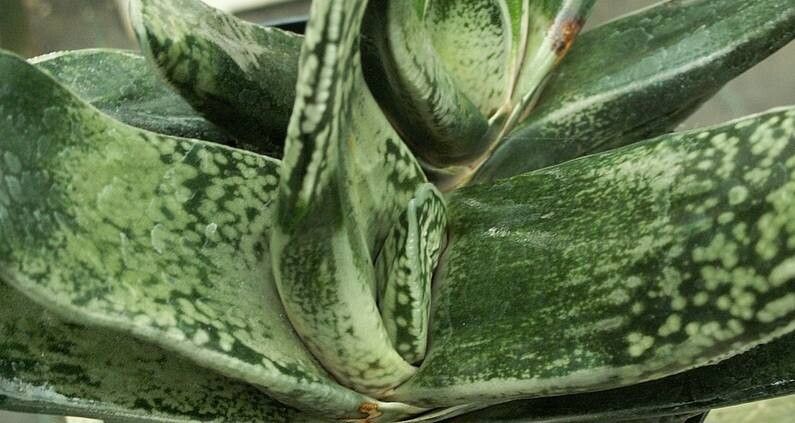
Propagating Gasteria disticha: The Ox Tongue’s Many Paths to Multiplication
Gasteria disticha, commonly known as the Ox Tongue, is a captivating succulent prized for its distinctive, tongue-shaped leaves and its relatively low-maintenance nature. Its attractive, often mottled foliage, ranging from dark green to grey-green, makes it a popular choice among succulent enthusiasts. The plant’s relatively easy care and adaptability contribute to its widespread cultivation, but propagating it successfully requires understanding its specific needs. Unlike some succulents that readily propagate from leaf cuttings, Gasteria disticha presents a unique set of challenges and rewards depending on the chosen propagation method.
Seed Germination:
Seed germination in Gasteria disticha is possible, but it’s not the most reliable or rapid method. Challenges include a relatively low germination rate and the potential for seedlings to be slow-growing and susceptible to damping-off (fungal disease).
- Challenges: Low germination rate, susceptibility to fungal diseases.
- Tips: Sow seeds in a well-draining succulent and cactus potting mix, ensuring good surface drainage to prevent waterlogging. Maintain a consistently moist (but not soggy) environment and warm temperatures (around 21°C/70°F). Light is crucial for germination. Using a seed starting mix with added perlite or vermiculite can improve drainage. Consider sterilizing the sowing mix to reduce fungal risk.
- Rewards: High genetic diversity among offspring – offering the chance to discover unique variations. Potentially suitable for large-scale propagation if germination rates are improved with careful technique.
Cuttings:
Propagating Gasteria disticha from cuttings is generally more successful than seed germination. However, it is still not a foolproof method, and success relies on the correct technique.
- Challenges: Cuttings are slow to root, and require careful attention to prevent rot. Only some types of cuttings may be viable. Leaf cuttings are generally unsuccessful.
- Tips: Stem cuttings, taken from mature plants, are the most reliable. Allow the cut end to callus over for a few days before planting in well-draining succulent mix. Ensure the cuttings are not overwatered, allowing the soil to dry out completely between waterings. Using rooting hormone can increase the chances of success.
- Rewards: Relatively faster propagation than seeds, producing plants genetically identical to the parent plant.
Division:
Division is arguably the easiest and most reliable method for propagating Gasteria disticha. This method involves separating offsets (pups) that grow at the base of the mother plant.
- Challenges: Requires a mature plant with established offsets. Improper division can damage the mother plant or the offsets.
- Tips: Carefully separate offsets, ensuring each has its own root system or at least a portion of roots. Plant the divisions in well-draining soil, allowing them to acclimatize gradually until they show signs of new growth.
- Rewards: High success rate, relatively quick propagation, minimal risk of disease compared to cuttings and seeds.
Tissue Culture:
Tissue culture is not commonly employed for amateur propagation of Gasteria disticha.
- Currently, there are no known reliable methods commonly used by home growers for tissue culture propagation of Gasteria disticha. This technique typically requires specialized equipment, facilities, and expertise.
Conclusion:
Propagating Gasteria disticha presents different challenges and rewards depending on the chosen method. Seed germination offers genetic diversity but struggles with low germination rates. Cuttings offer a faster method, but rooting can be challenging. Division, however, stands out as the most reliable and straightforward approach for the home grower. Tissue culture remains a specialized technique.
Successfully cultivating this striking succulent, despite the potential hurdles, provides a unique satisfaction. The patience required, coupled with the eventual reward of healthy new plants, underscores the rewarding aspect of plant propagation. For aspiring propagators, starting with the division method is highly recommended, providing a more reliable and less frustrating entry point into the fascinating world of Ox Tongue cultivation.