
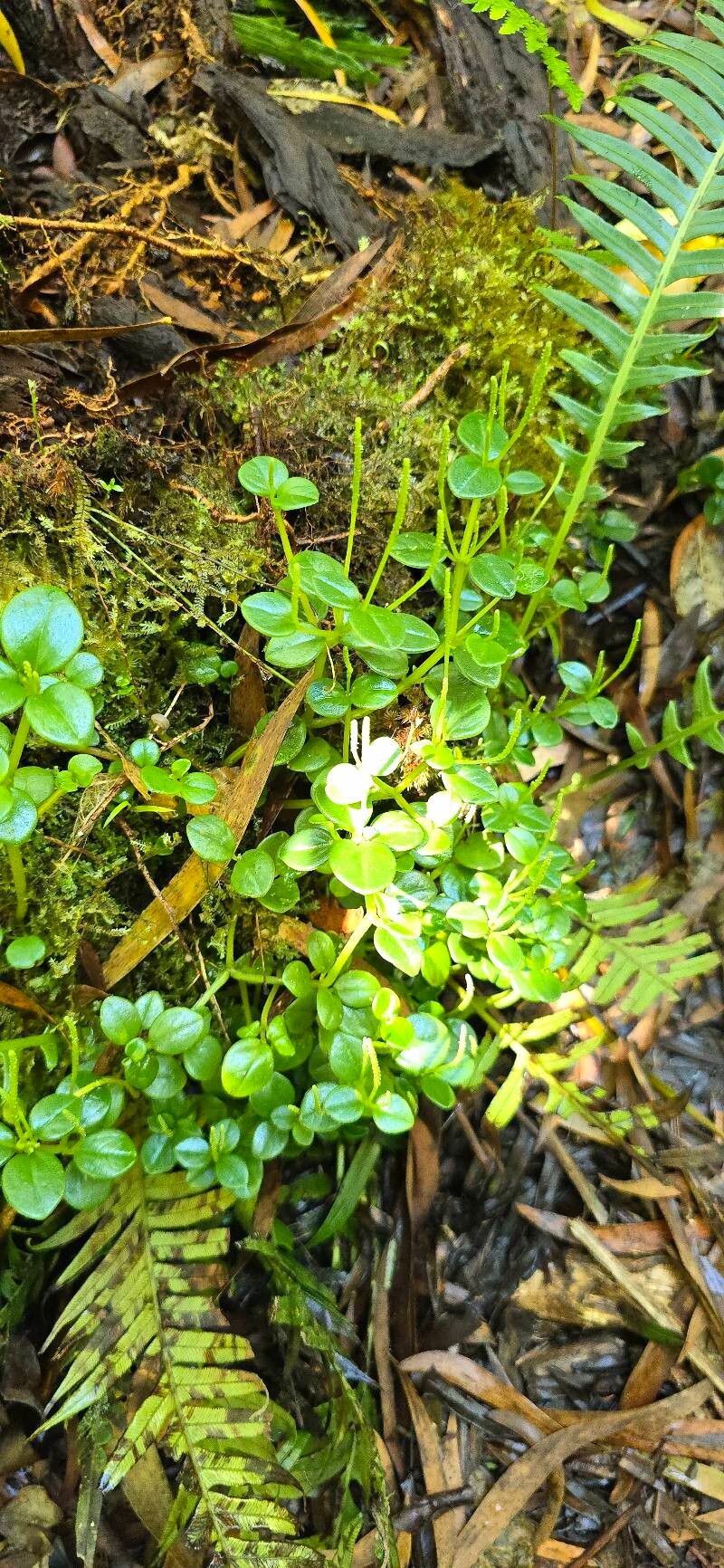
Propagating the Watermelon Peperomia: A Guide to Cultivating Peperomia elliptica
Introduction:
The Peperomia elliptica, commonly known as the Watermelon Peperomia, is a captivating houseplant prized for its strikingly patterned, succulent leaves. Its elliptical, fleshy leaves display a distinctive dark green and silver variegation reminiscent of a watermelon rind, hence its common name. This relatively easy-to-care-for plant has earned a place in the hearts of many gardeners, both beginners and experienced alike. While readily available commercially, propagating Peperomia elliptica offers a rewarding experience and allows enthusiasts to expand their collection or share this beautiful plant with others. However, some propagation methods are far more successful than others.
Seed Germination:
Currently, there are no known reliable methods for seed germination propagation of Peperomia elliptica. While the plant does produce flowers and thus technically has the potential for seed production, the seeds are notoriously tiny and germination rates are extremely low, making this method impractical for most home propagators. Commercial propagation almost exclusively relies on other techniques.
Cuttings:
This is the most common and successful method for propagating Peperomia elliptica.
- Challenges: While relatively straightforward, achieving a high success rate requires attention to detail. Overwatering can lead to rot before rooting occurs.
- Practical Tips: Take stem cuttings, ideally 4-6 inches long, from healthy, actively growing shoots. Remove the lower leaves to prevent rot. Allow the cut end to callus over for a day or two before planting in a well-draining potting mix (e.g., perlite and peat moss mix) or directly into water. Keep the cuttings in a humid environment, such as a propagator or by covering the pot with a plastic bag. Avoid direct sunlight. Rooting typically takes 2-4 weeks.
- Rewards: High success rate, relatively quick propagation, preserves the genetic characteristics of the parent plant.
Division:
This method works best when the Peperomia elliptica has grown into a mature, well-established plant.
- Challenges: Requires a larger, well-established plant, and there’s a risk of damaging the parent plant if not done carefully. Also, the divisions might be smaller initially.
- Practical Tips: Carefully remove the plant from its pot and gently separate the root ball into smaller sections, ensuring each section has its own roots and several healthy stems. Replant each division into its own pot with fresh potting mix.
- Rewards: Quick establishment, easy replication of the parent plant’s characteristics, ideal for larger plants needing repotting.
Tissue Culture:
This is a technically advanced method best suited for laboratories or experienced propagators with specialized equipment.
- Challenges: Requires specialized equipment, sterile conditions, and a deep understanding of plant tissue culture techniques. This isn’t a viable option for most home gardeners.
- Practical Tips: This method involves sterilizing plant tissue (explants) and growing them in a nutrient-rich agar medium under sterile conditions. This allows for rapid and large-scale propagation.
- Rewards: High propagation rates, disease-free plants, possibility of large-scale production.
Conclusion:
While seed propagation is effectively ruled out, propagating Peperomia elliptica through cuttings and division presents rewarding experiences for enthusiasts. Cuttings offer a high success rate and the preservation of desirable traits, while division provides a rapid way to increase the number of plants from existing, mature specimens. Tissue culture offers significant potential for large-scale propagation but is beyond the scope of most home gardeners. The challenges, ranging from preventing rot in cuttings to carefully dividing mature plants, only enhance the satisfaction of successfully cultivating this unique plant. The vibrant, healthy growth of a propagated Watermelon Peperomia stands as a testament to the perseverance and skill of the cultivator, making the effort truly worthwhile. Embrace the challenge – the reward is a thriving collection of these beautiful plants!