
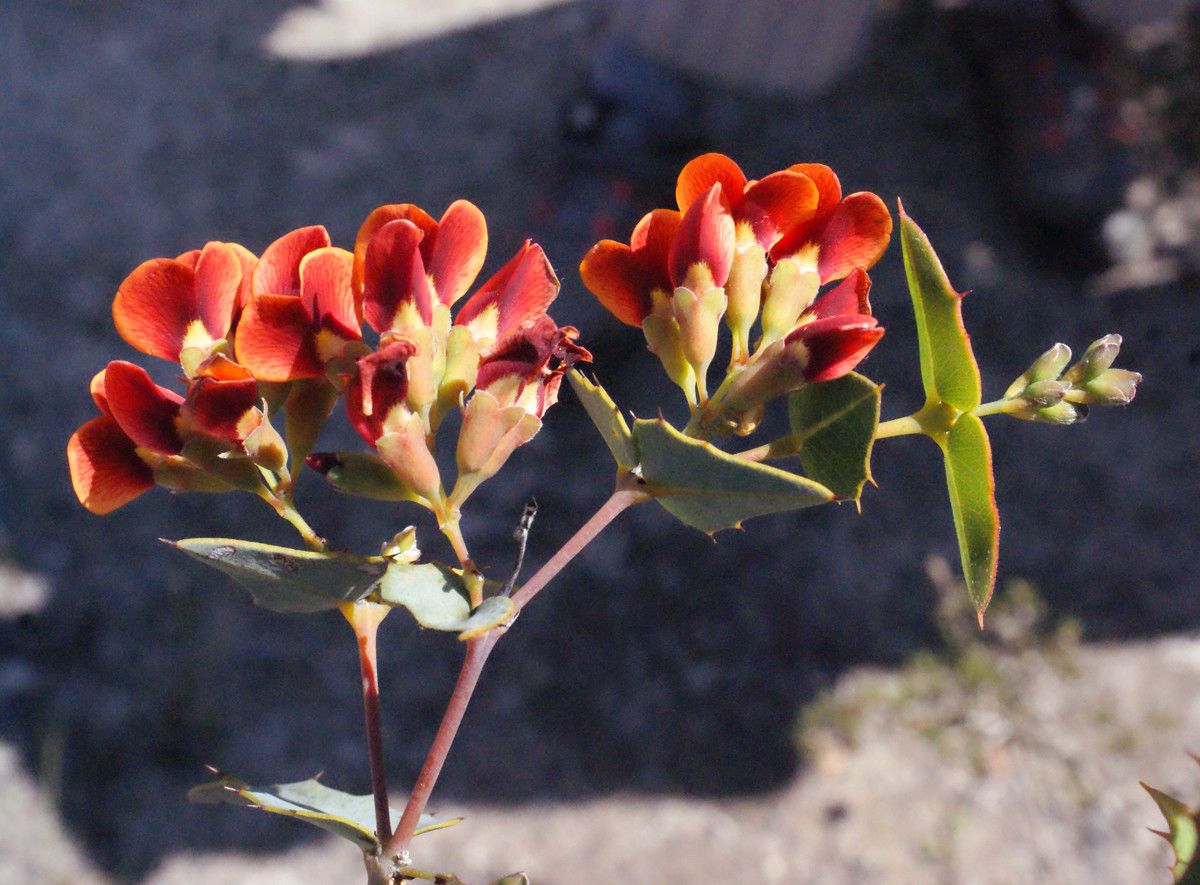
Taming the Thorns: Propagating the Intriguing Gastrolobium spinosum
The Gastrolobium spinosum, also known as the “Spiny Gastrolobium” or “Prickly Poison Bush”, is a unique and striking Australian native plant. While its name may sound intimidating, this small shrub is a fascinating subject for plant enthusiasts, especially those interested in propagation.
Why Propagate Gastrolobium spinosum?
This plant has much going for it:
- Eye-catching appearance: Its dense foliage of small, oval leaves is complemented by striking yellow flowers that appear in spring. The most striking feature, however, are its sharp spines, giving it a distinct and somewhat prickly character.
- Conservation value: Gastrolobium spinosum is considered a rare plant in some regions, and propagation efforts help to conserve this unique species.
- Gardening appeal: Its tough, drought-tolerant nature makes it a suitable addition to gardens in arid and semi-arid climates.
The Challenges of Propagation
Gastrolobium spinosum is a tricky plant to propagate, and it requires patience and a bit of know-how.
- Seeds are often dormant: The seeds of this species can exhibit dormancy, meaning they need specific conditions to stimulate germination.
- Slow growth: Once established, it can take several years for the plant to reach its full size and maturity.
Propagation Methods
1. Seed Propagation:
- Scarification: This involves lightly abrading or nicking the hard seed coat to encourage germination. You can do this using sandpaper, a knife, or a file.
- Stratification: This step simulates the natural conditions the seeds experience in the wild. Place the seeds in a moist medium (like vermiculite or peat moss) and refrigerate for several weeks.
- Sowing: After stratification, sow the seeds in a well-draining seed mix and keep them consistently moist. Maintain warm temperatures (around 20-25°C) and a sunny location. Germination may take several weeks.
2. Cuttings:
- Hardwood Cuttings: Take semi-hardwood cuttings (those that have matured but are still pliable) in the late summer or early autumn.
- Preparation: Cuttings should be about 10-15 cm long, with a pair of leaves at the top and a clean cut at the base. Remove the lower leaves.
- Rooting: Dip the base of the cutting in a rooting hormone solution and plant them in a free-draining mix. Place the pot in a bright, indirect light location.
3. Layering:
- Air Layering: This method works best in summer. Choose a strong stem on the parent plant and carefully remove a section of bark, exposing the cambium layer. Apply rooting hormone powder and wrap a moist sphagnum moss around the exposed area. Secure the moss with plastic wrap and allow it to root for several weeks. Once the roots develop, you can remove the cutting and plant it separately.
Tips for Success
- Patience is key: Be patient with your propagation efforts, as Gastrolobium spinosum can be slow-growing.
- Use appropriate growing medium: Use a well-draining mix specifically designed for native plants.
- Avoid overwatering: Allow the soil to dry out between waterings.
- Protect from frost: Young plants are particularly sensitive to cold temperatures.
- Choose a sunny location: Gastrolobium spinosum thrives in full sun.
Conclusion
Propagating the Spiny Gastrolobium can be a rewarding experience. With careful preparation and patience, you can successfully establish this unique and intriguing plant in your garden. Remember to appreciate the beauty of its thorns and the remarkable resilience of this rare Australian native. By following these steps, you can contribute to the conservation of this species while adding a touch of wild beauty to your landscape.